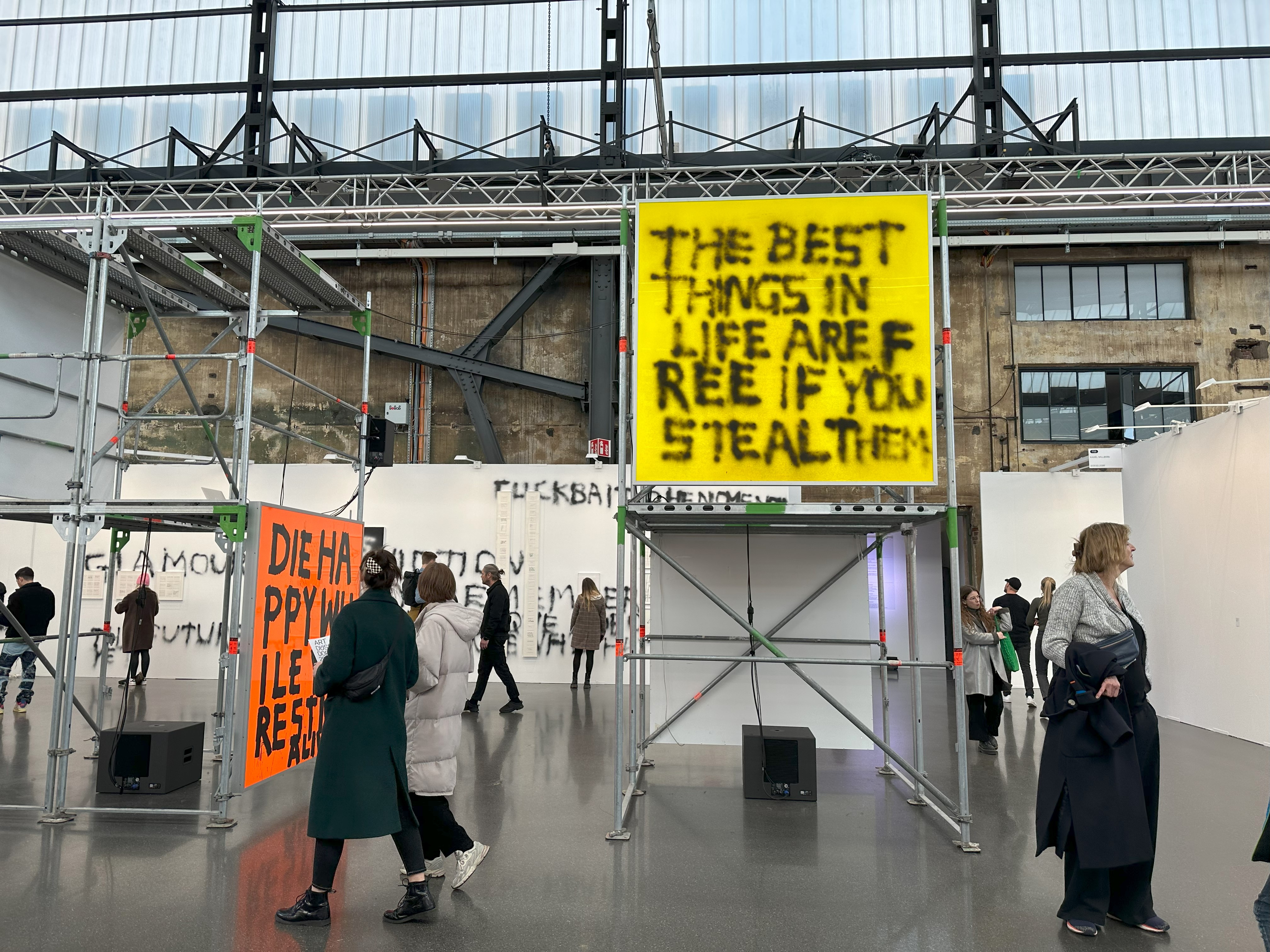
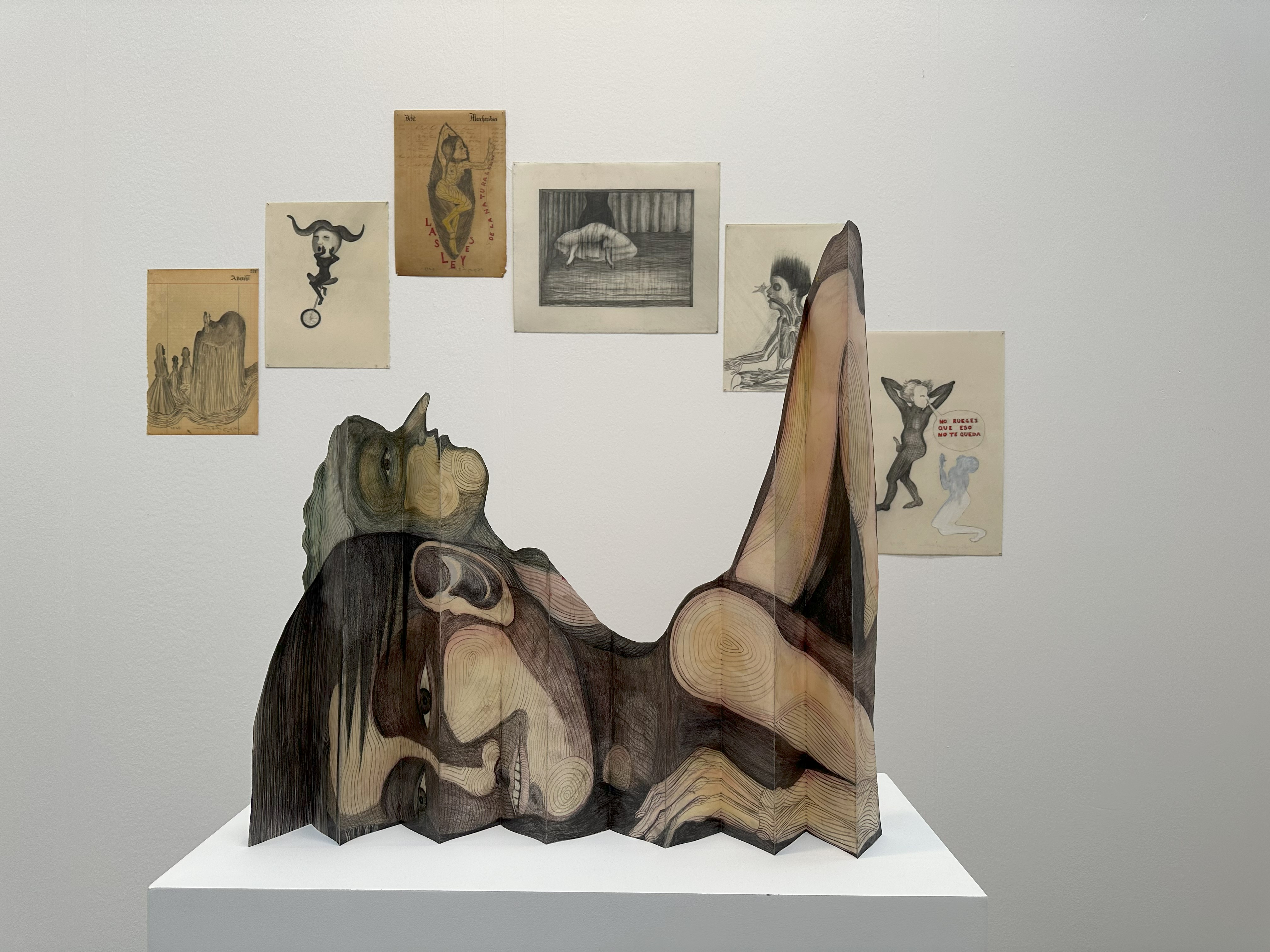
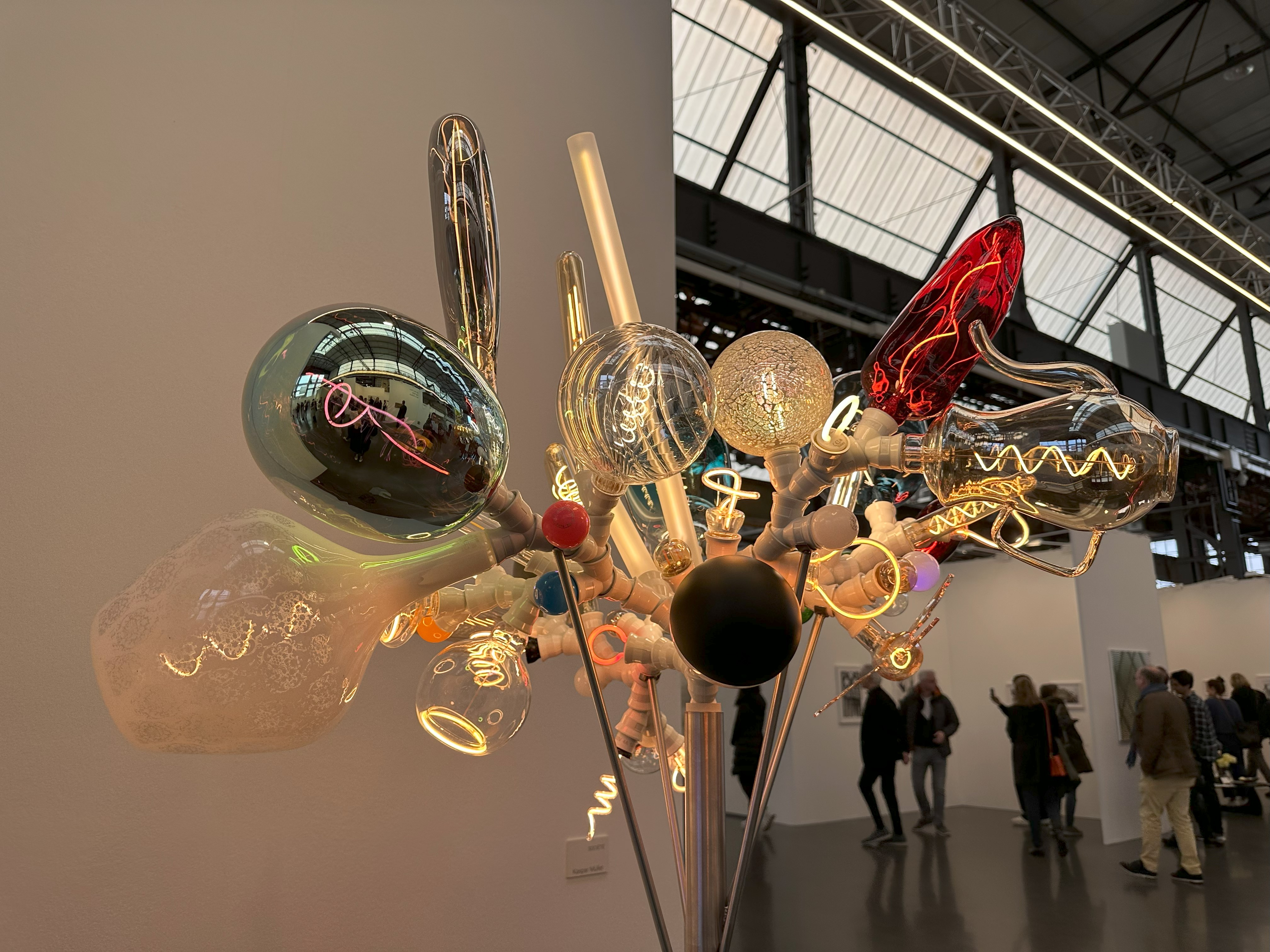
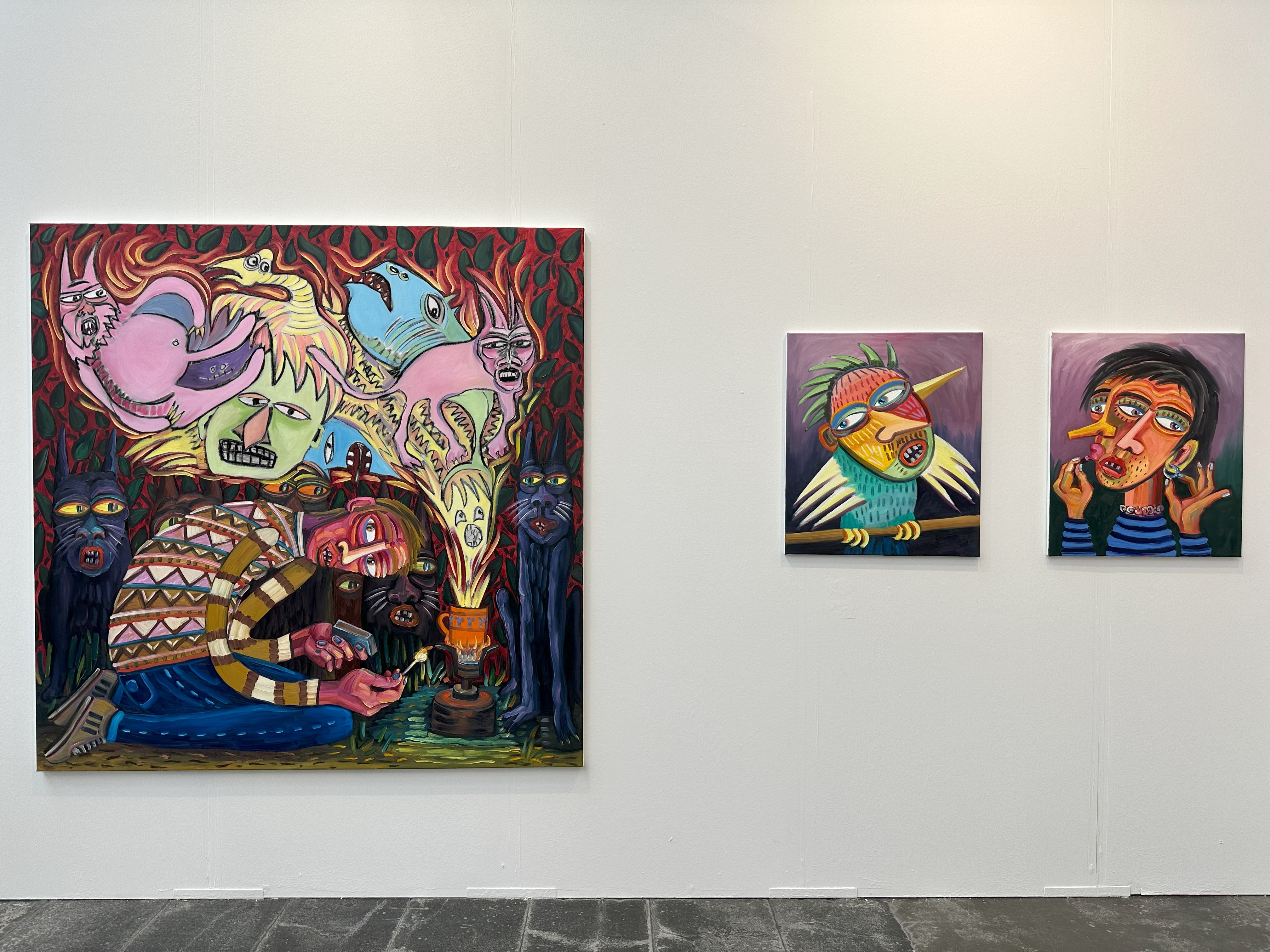
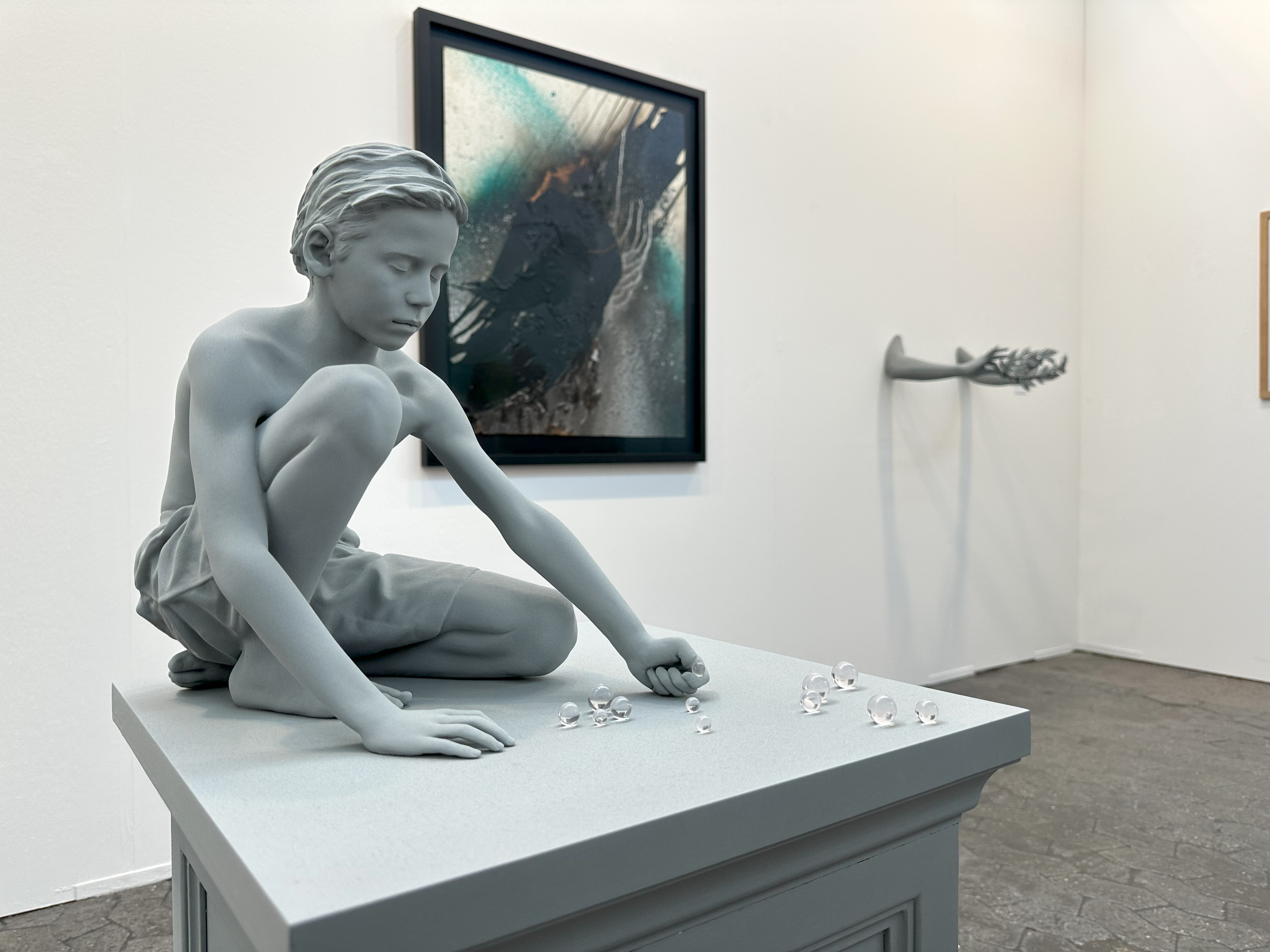
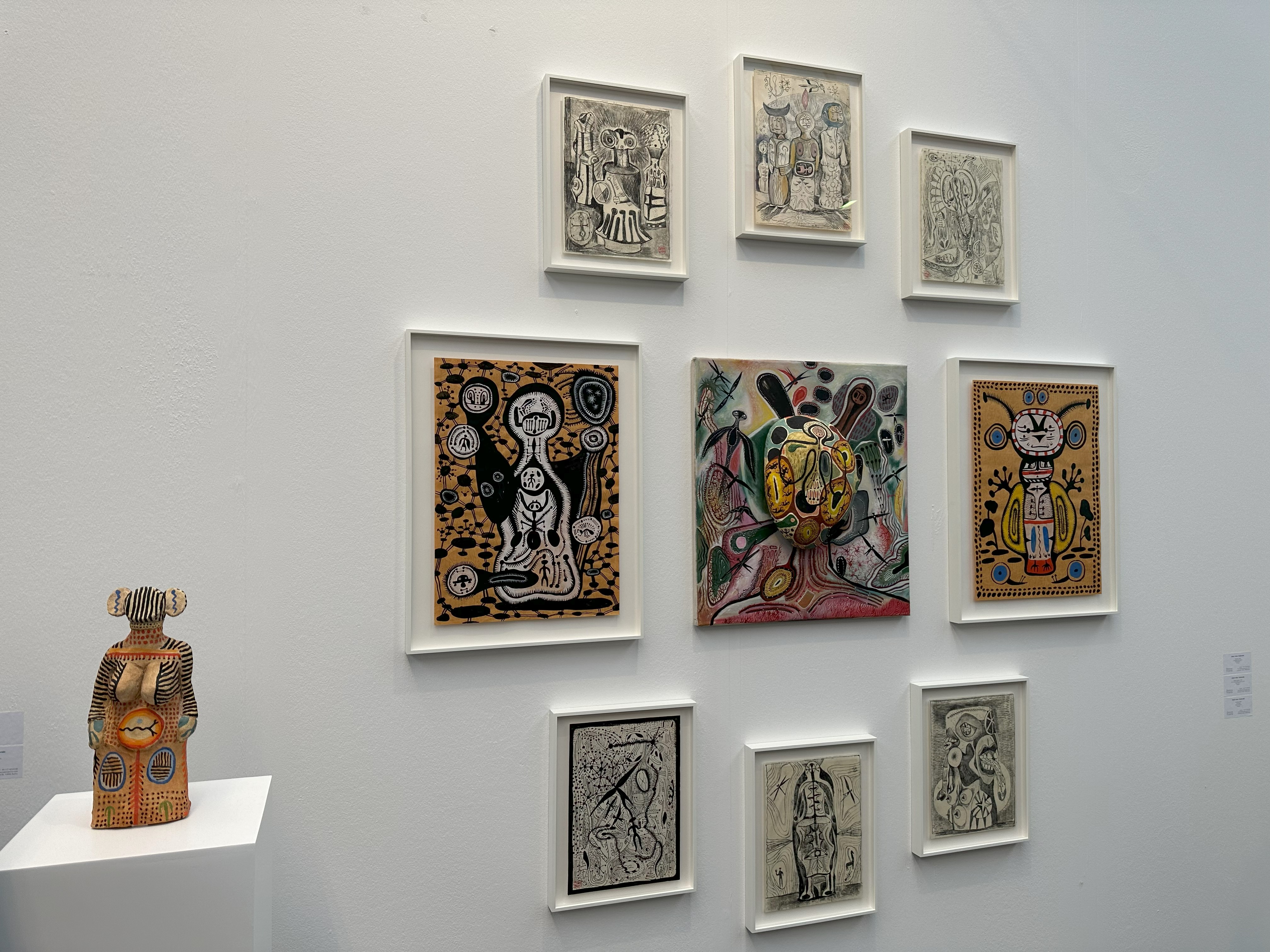
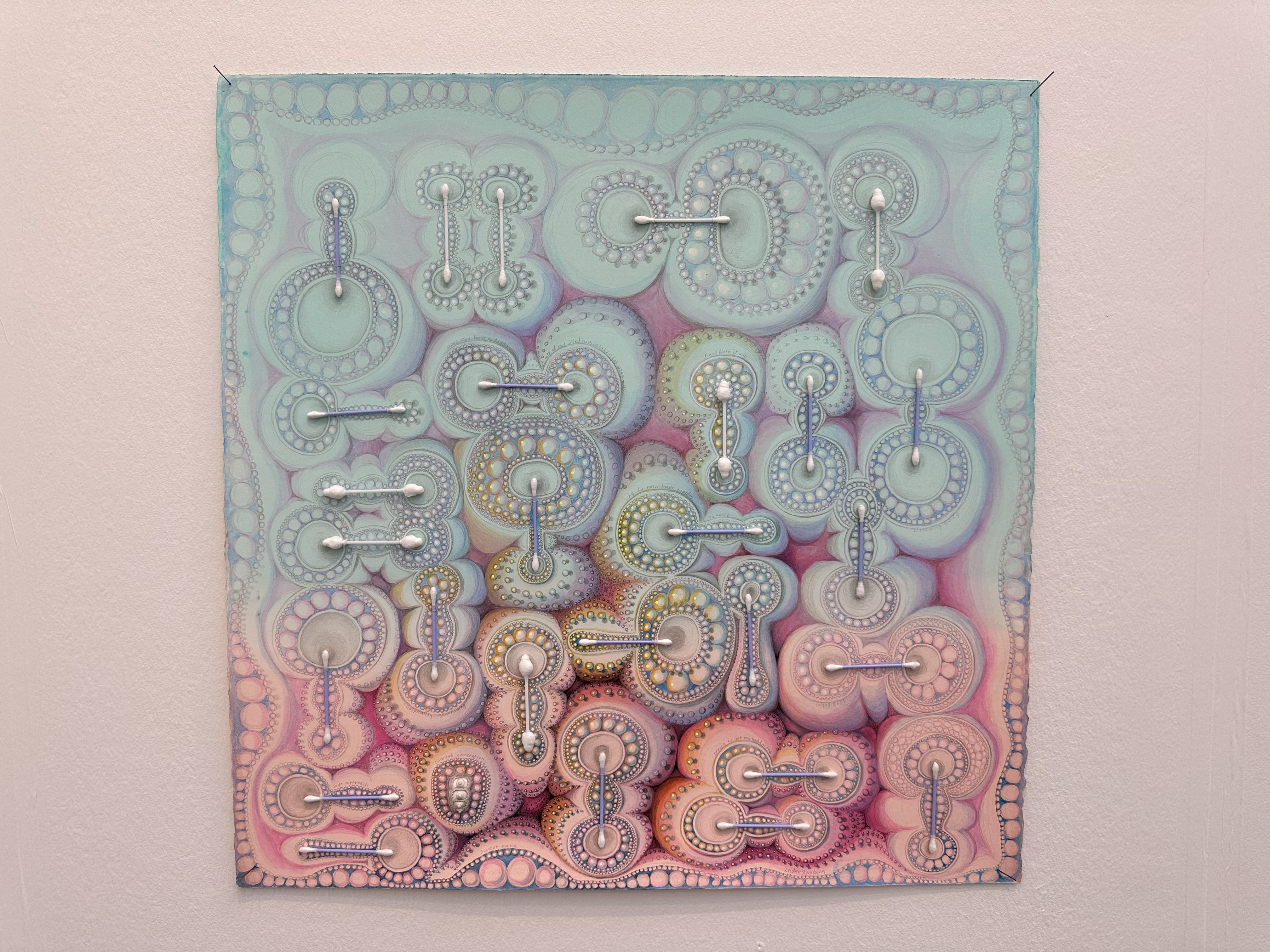
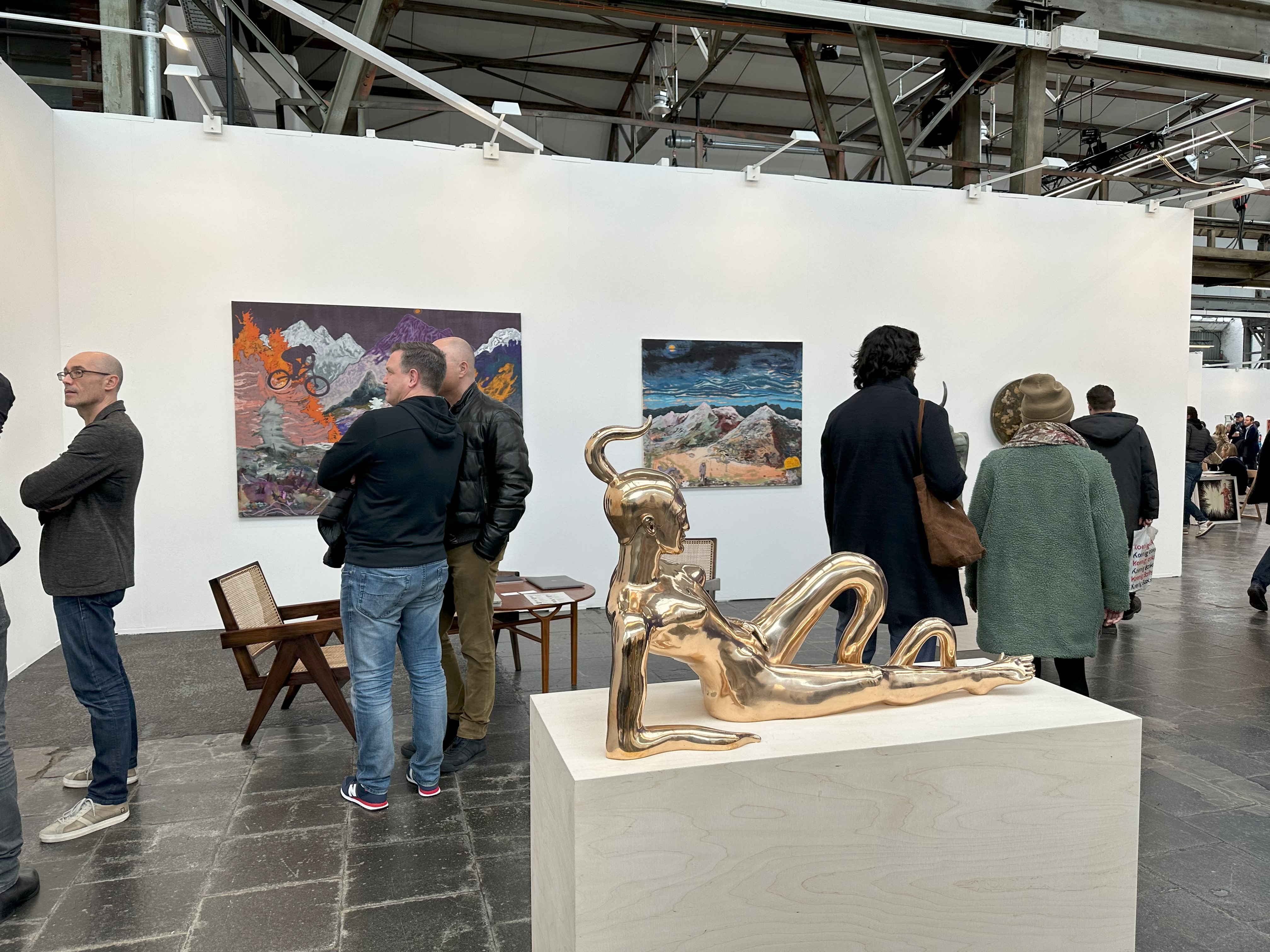
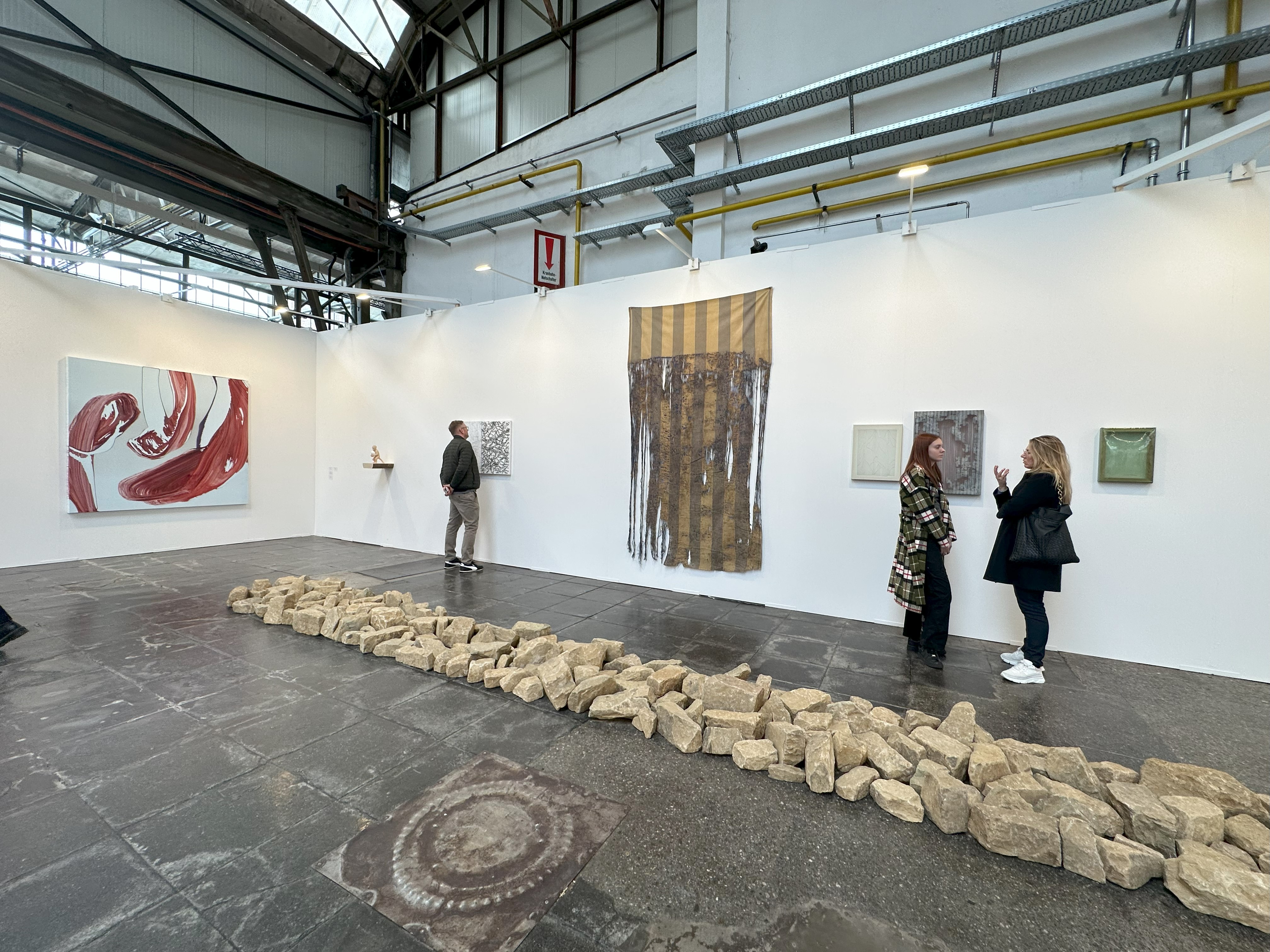
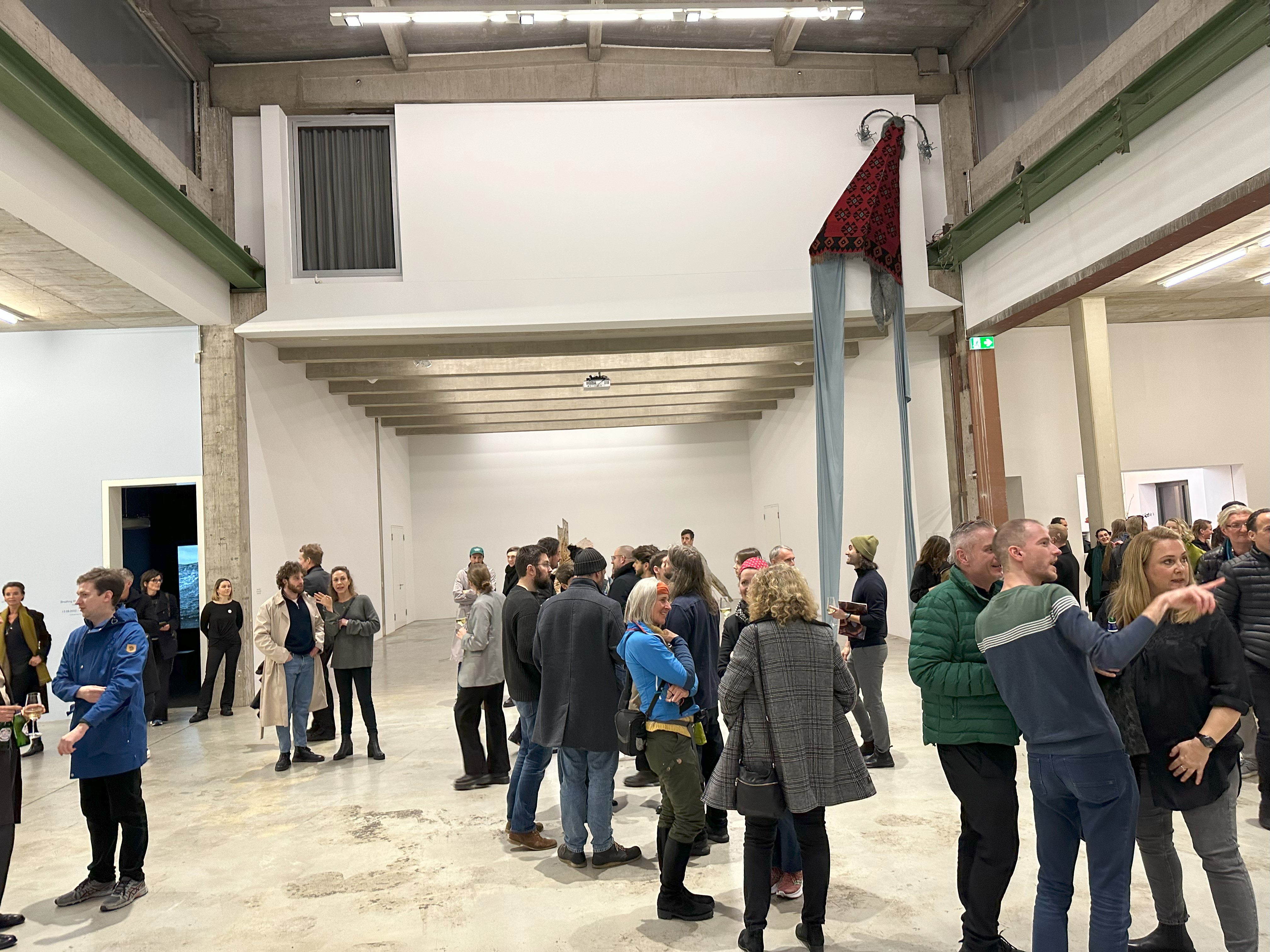
Grads attended Art Fair Düsseldorf located at the Areal Böhler, a former steel factory that amplified the atmosphere with daylight and the architectural remains of the old steelworks. Since 2017, the fair has aimed to be a leading platform for talents and a diversity of perspectives of backgrounds; whether young or established, artists or gallerists, collectors or curators, the fair offers a stage for progressive positions, relevant ideas, and engaging concepts. Its mission is to bring contemporary global art to life with a particular focus on the art-historical relevance of the city, with which the fair is very closely linked.
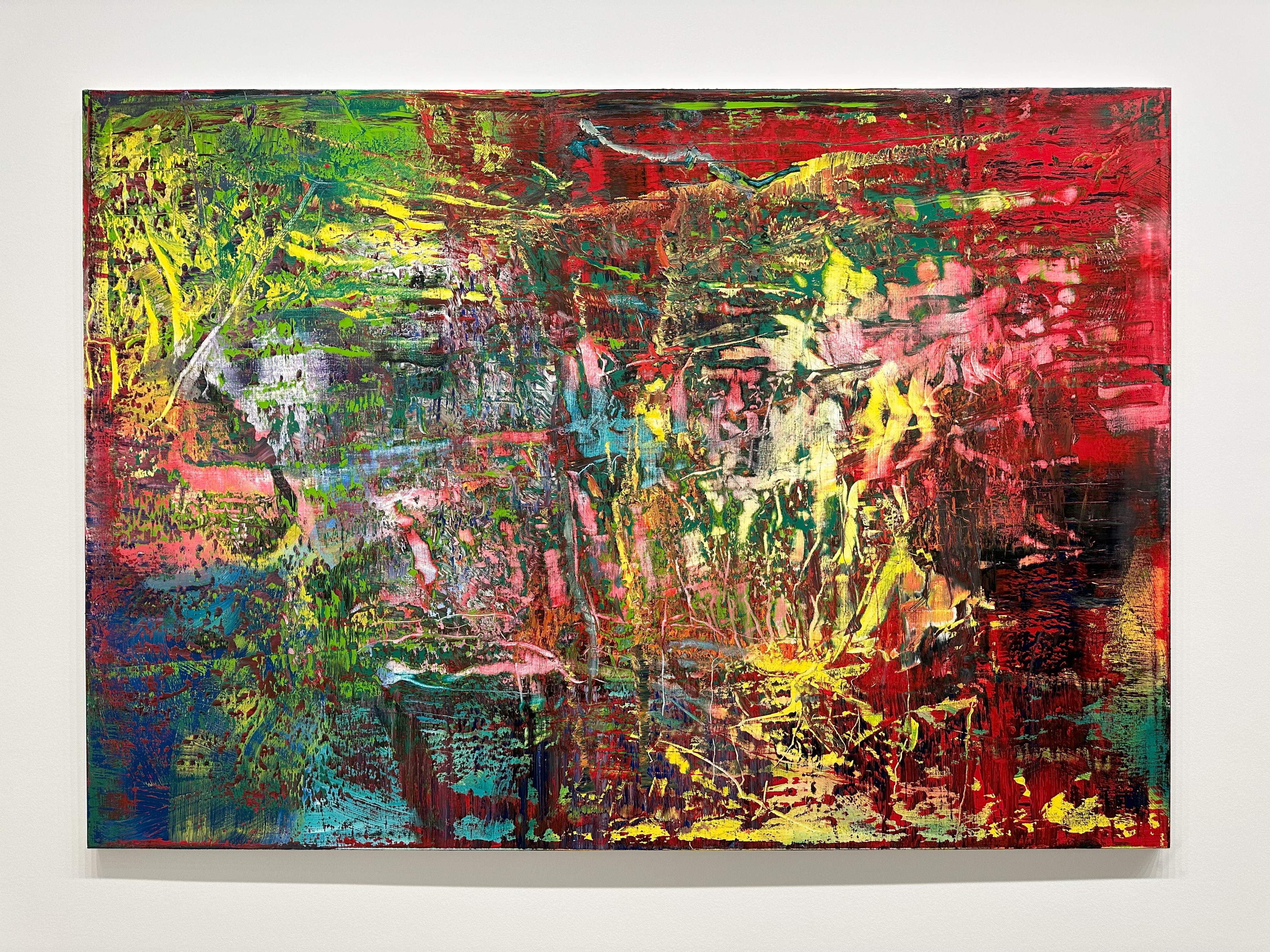
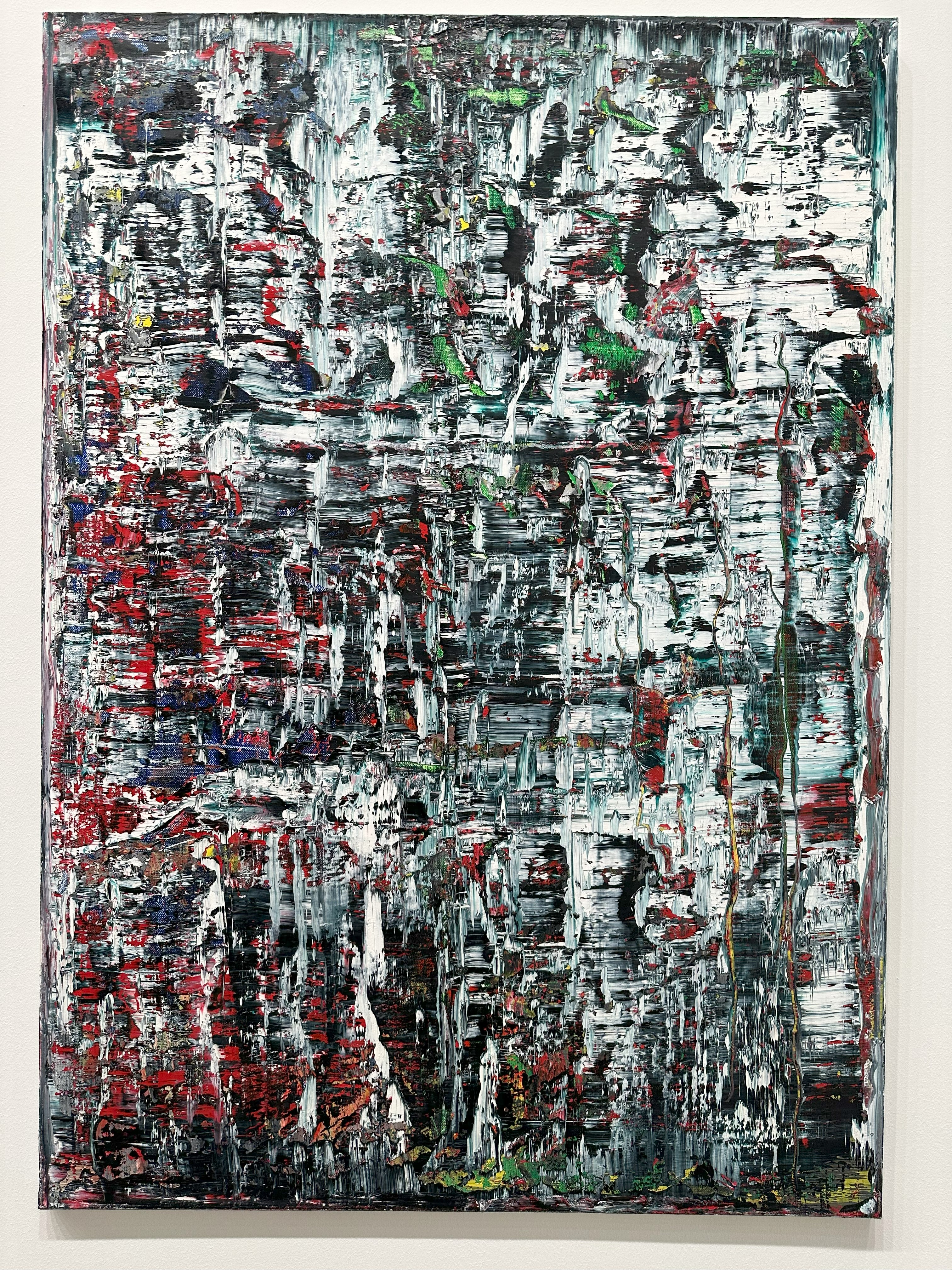
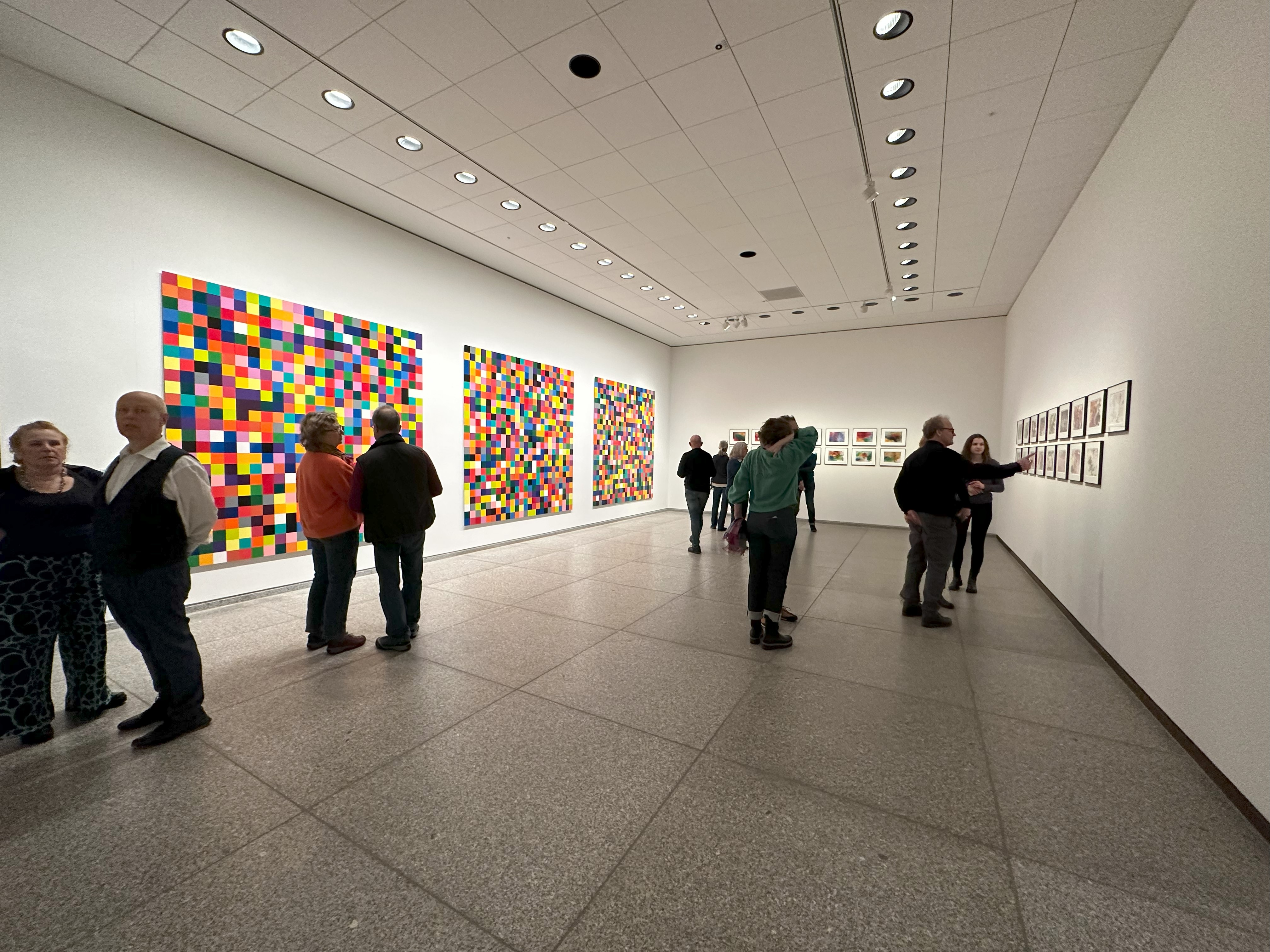
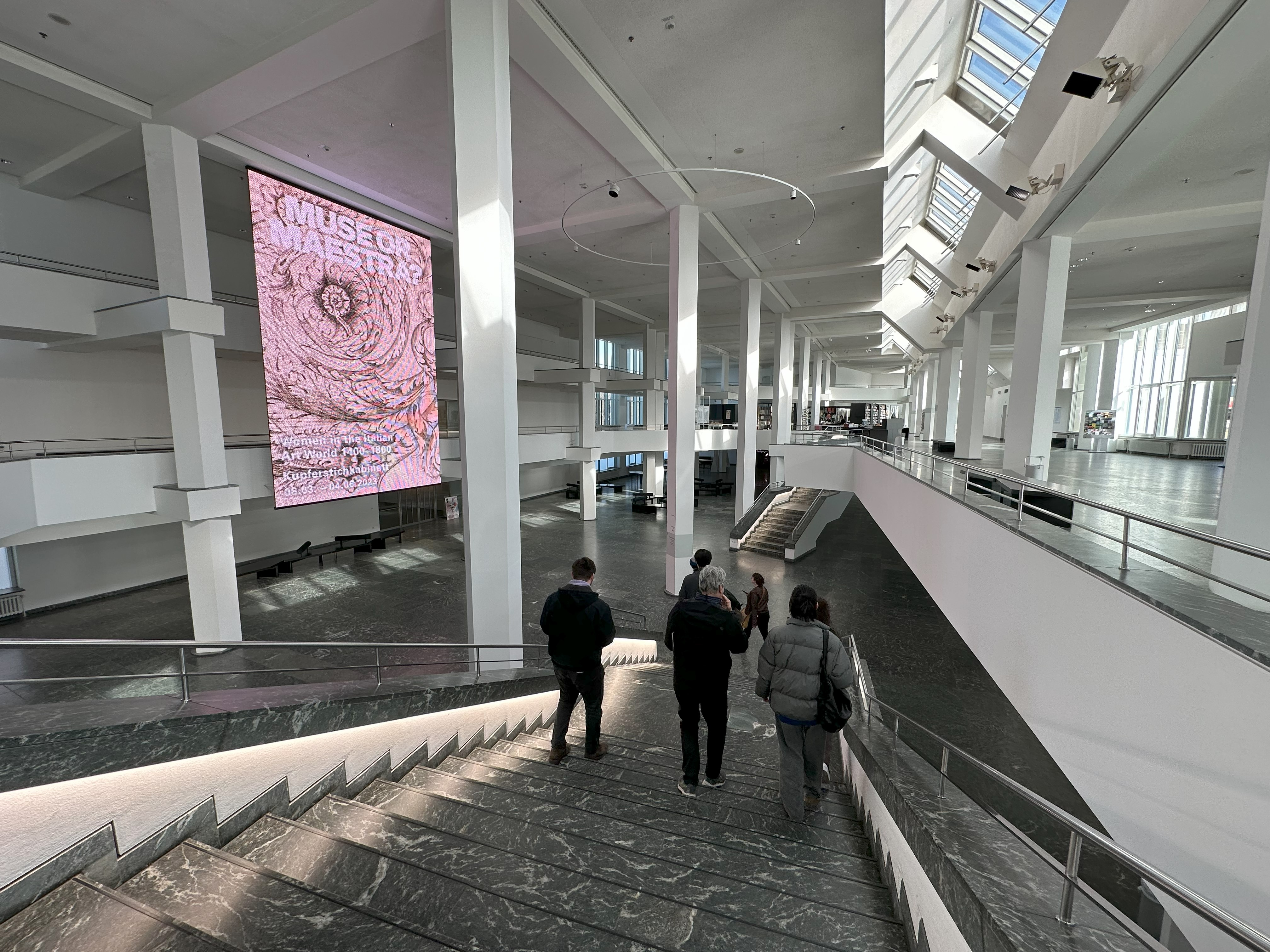
Students returned to the Neue Nationalgalerie to see the opening of Gerhard Richter’s 100 Works for Berlin. The main work in the exhibition was the series Birkenau (2014), which consisted of four large-format, abstract paintings. Birkenau is the result of Richter’s long and in-depth engagement with the Holocaust and the possibilities of representing it. Alongside the Birkenau series, other works from various phases of Richter’s career were exhibited, including Squatters’ House (1989), 4,900 Colors (2007), and Strip (2013/2016). There were also another large group of works from Richter’s series of overpainted photographs, in which he addresses the tension between photography and painting on a new level.
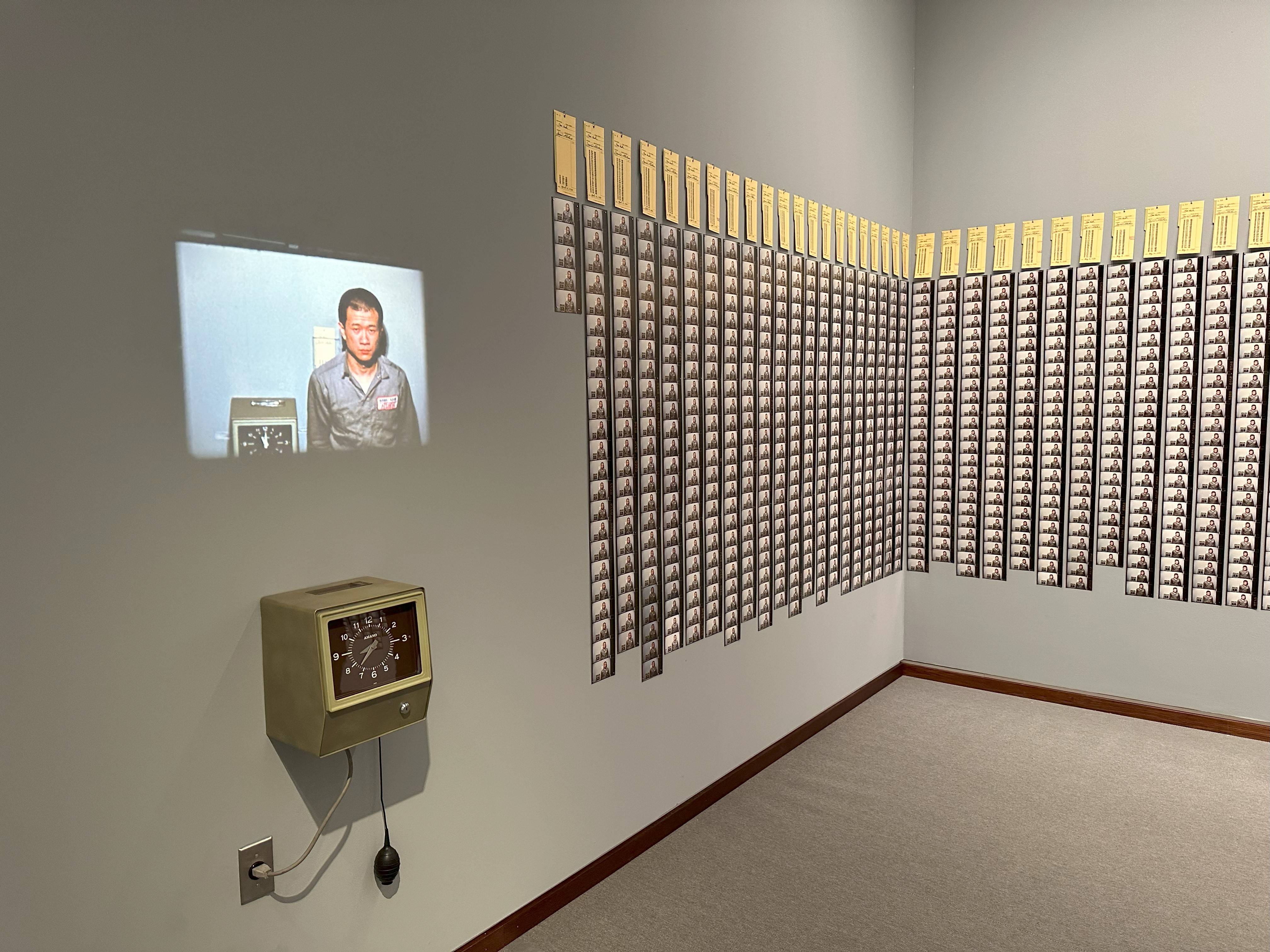
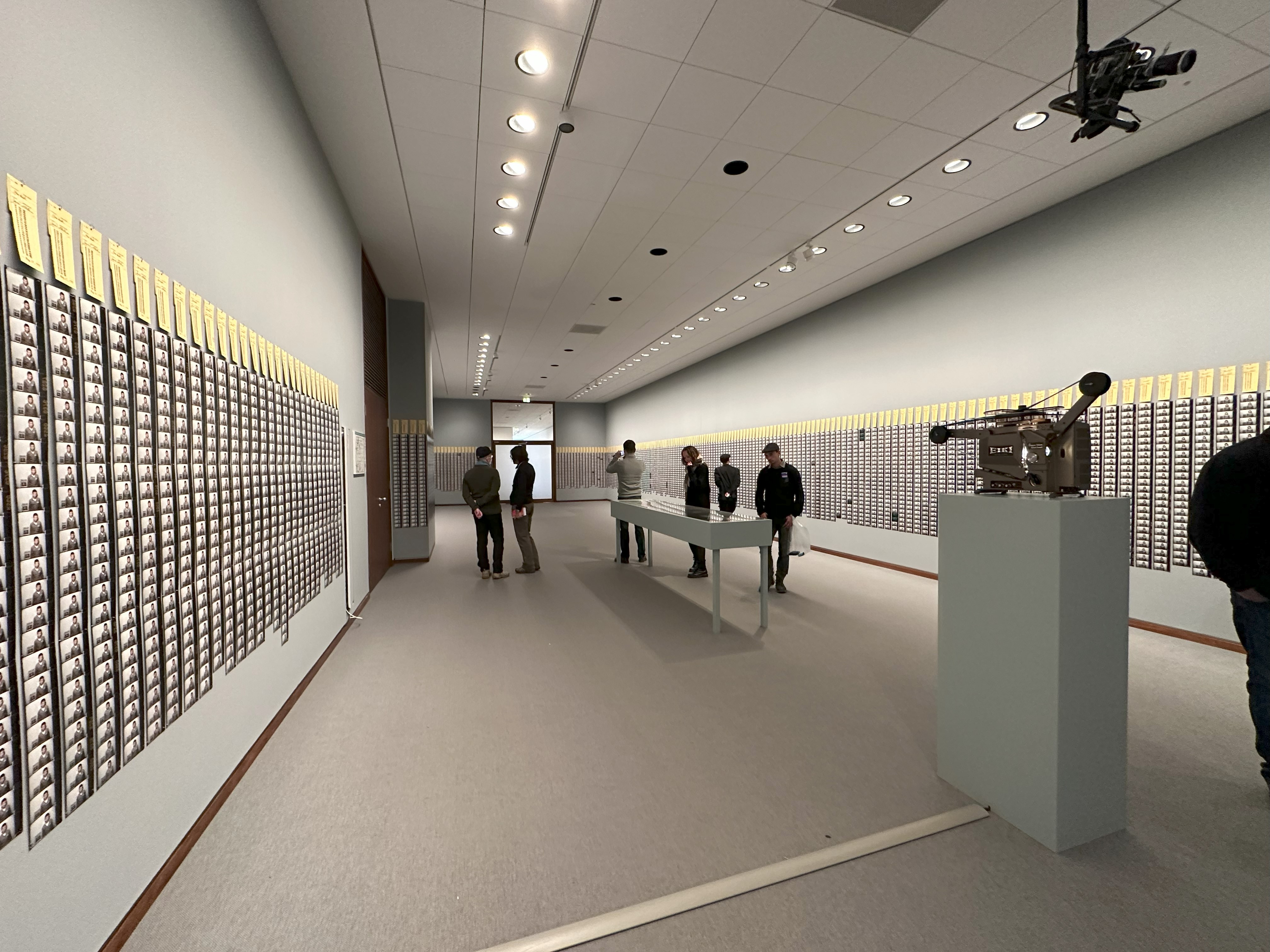
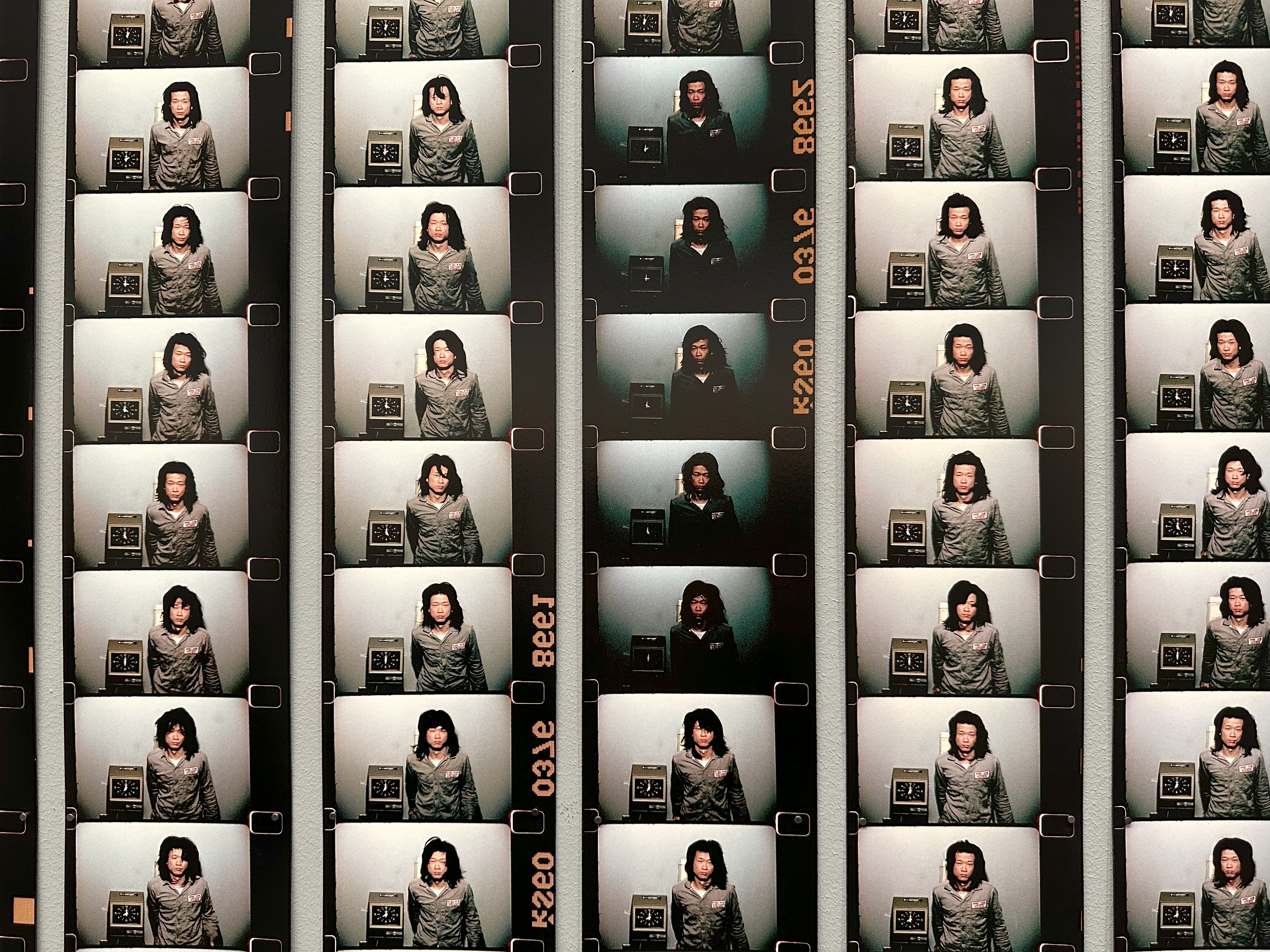
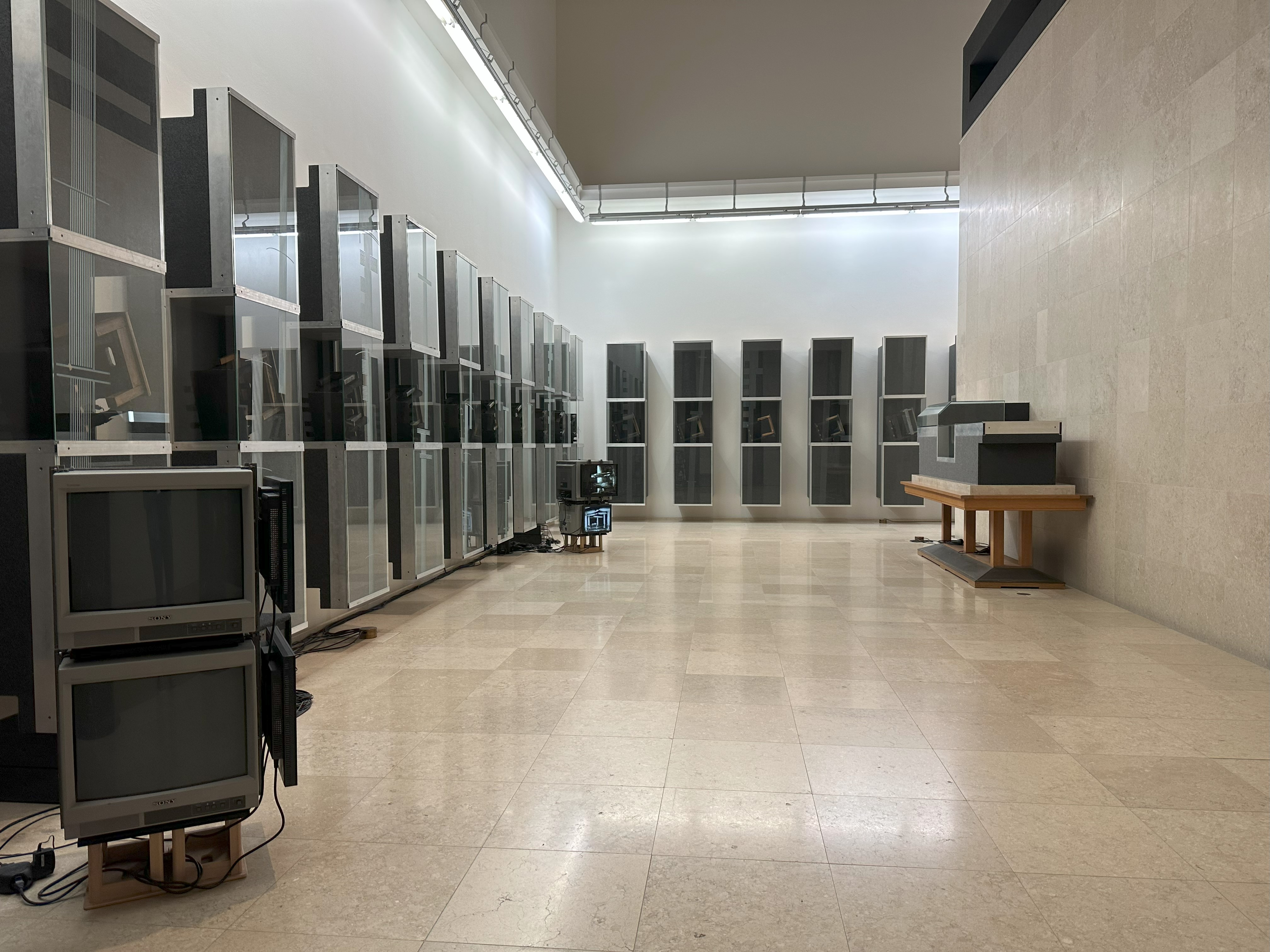
Also new on display was Tehching Hsieh’s work, One Year Performance 1980–1981 (Time Clock Piece). Born in 1950 in Nanzhou, Pingtung, Taiwan, Hsieh became known internationally in the late 1970s and early 1980s primarily for his durational performances, each of which ran over a year. The film and photo installation shows the performance, in which the artist photographed himself punching in on a time clock every hour for a year. The sleep deprivation thus provoked a kind of delirium, causing a number of photographs to fail.
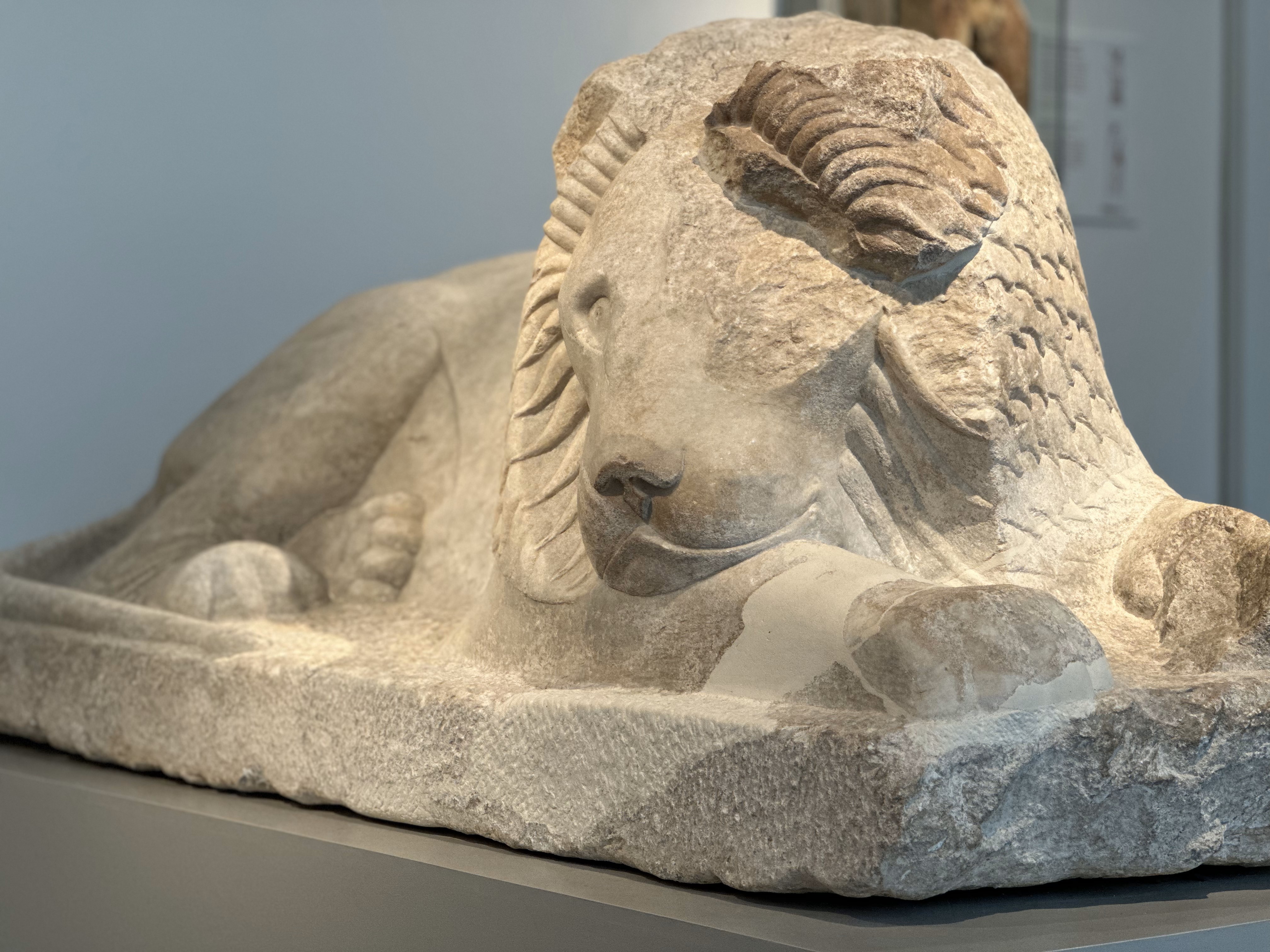
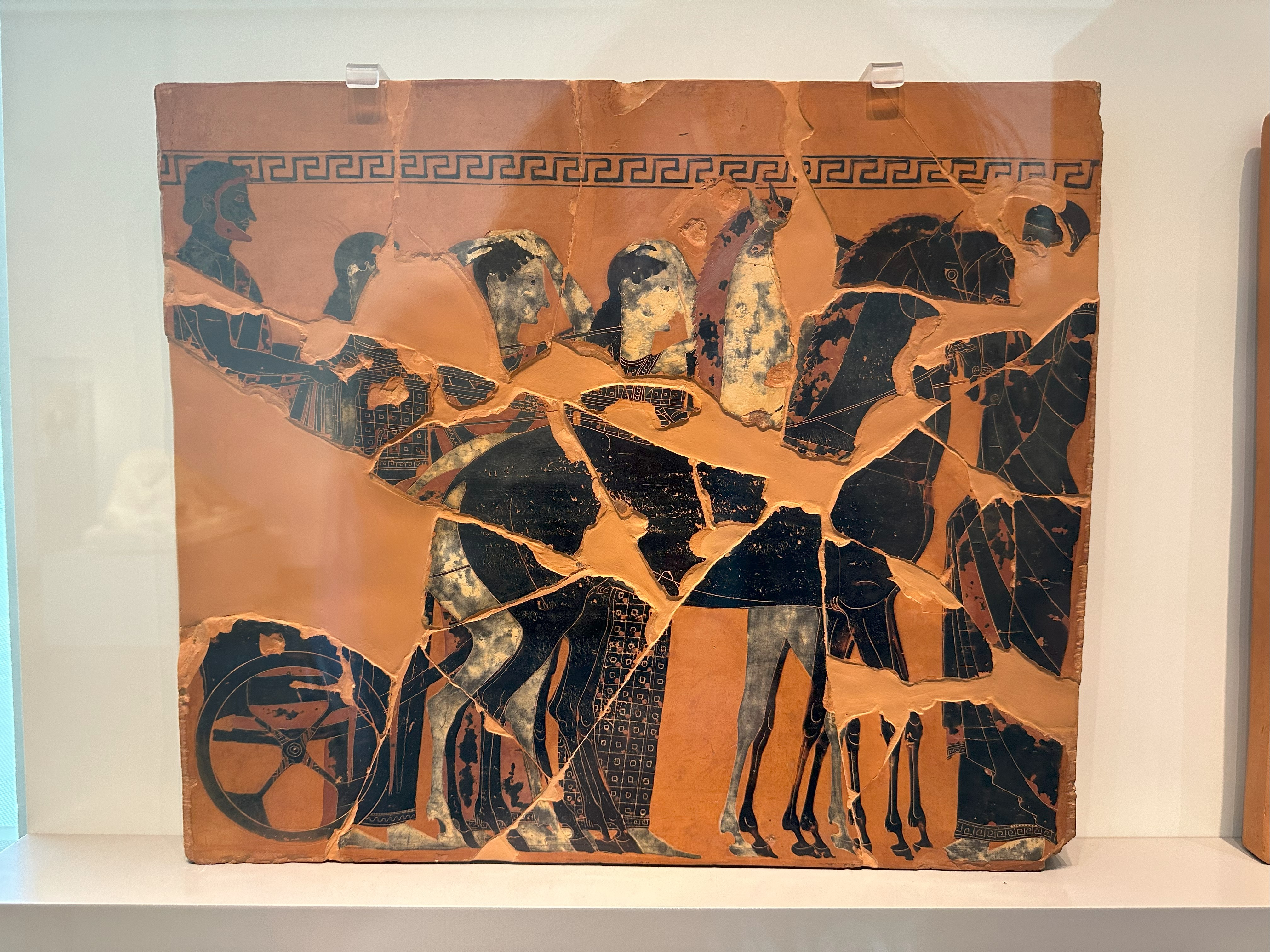
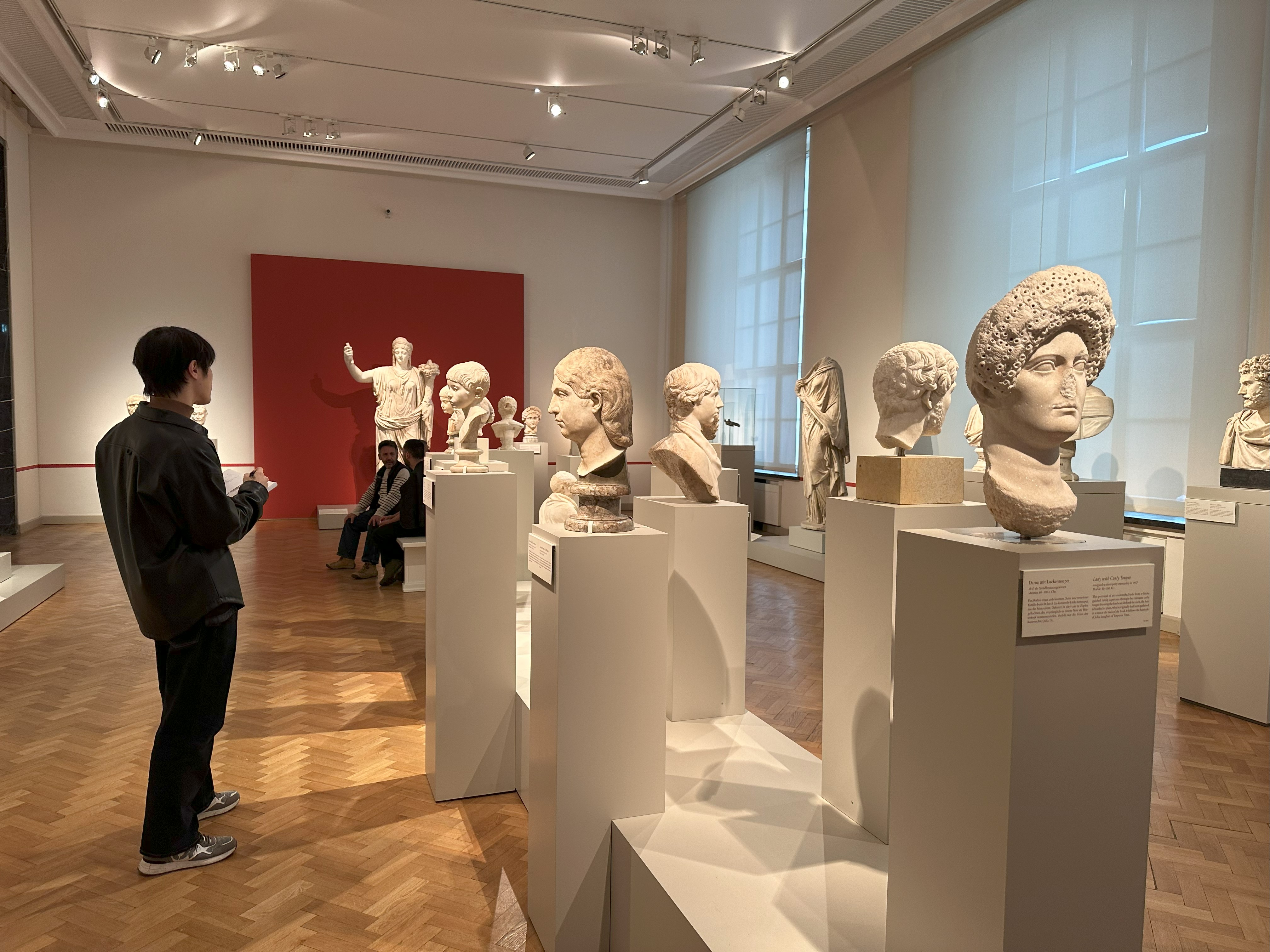
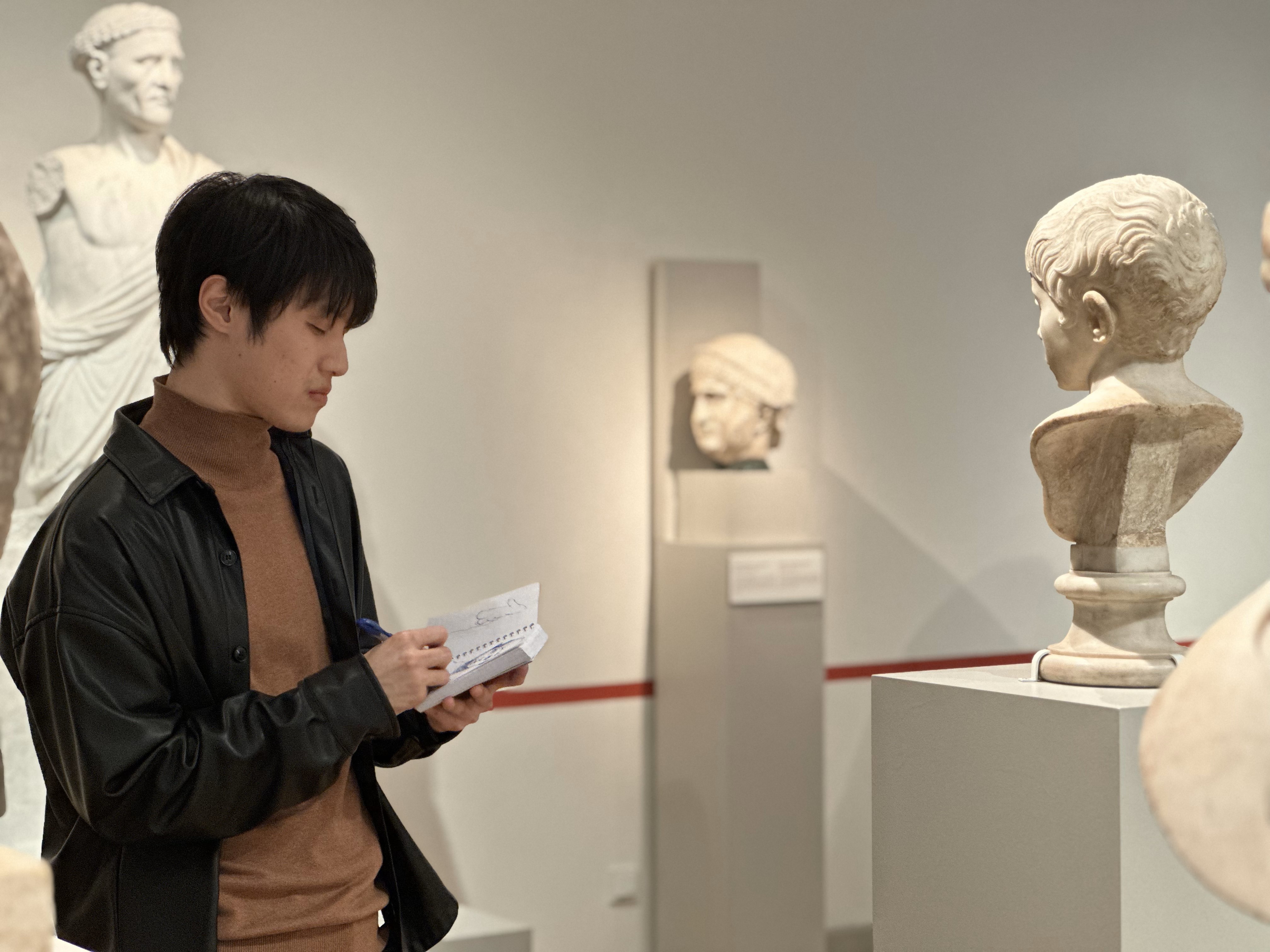
Students first visited the Altes Museum, where they viewed many clay figures that were used in ancient Greek society which contained a diversity of ancient terracotta figures across a broad temporal and geographical framework and the permanent collection of Ancient Worlds, Greeks, Etruscans and Romans.
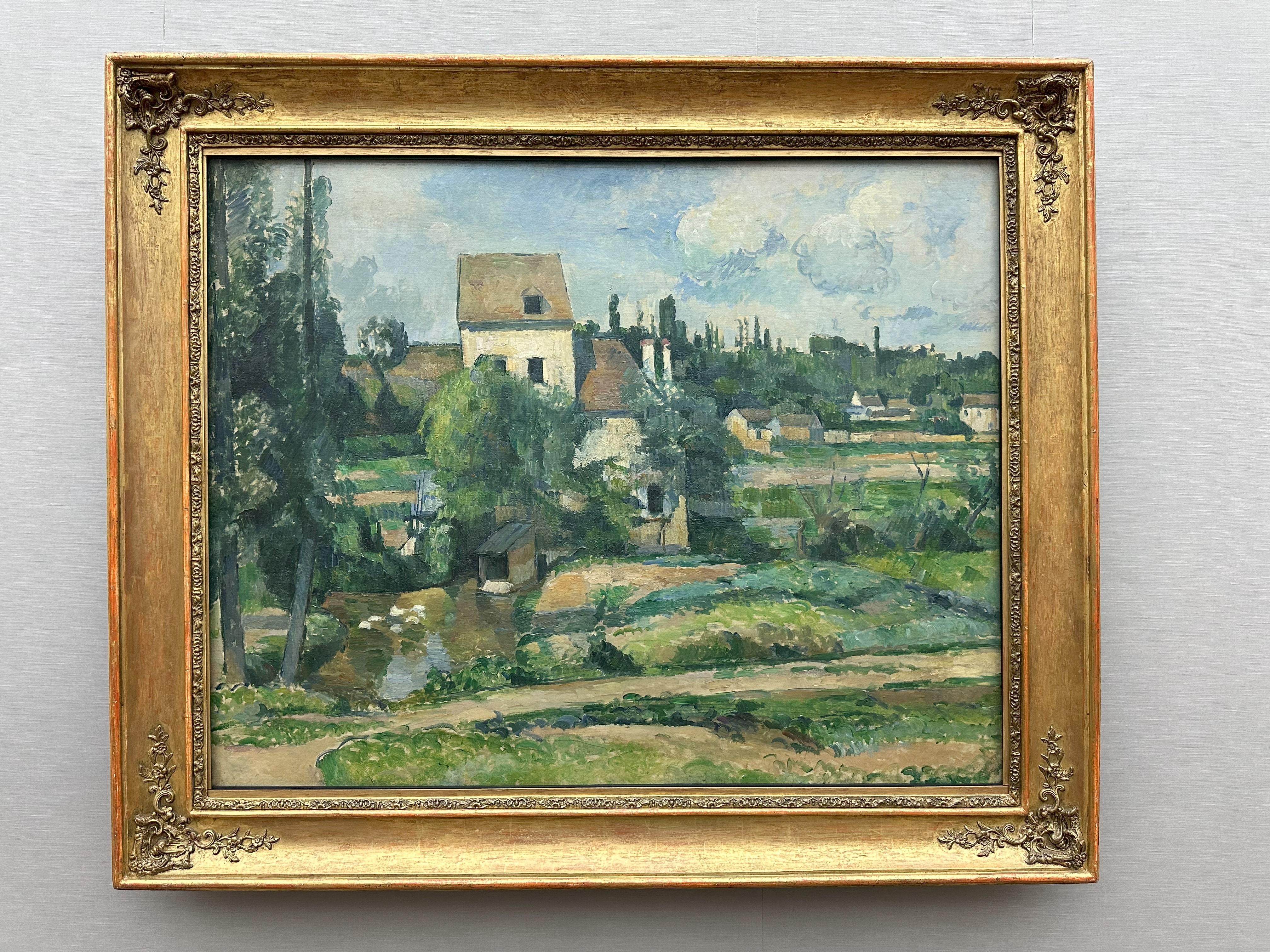
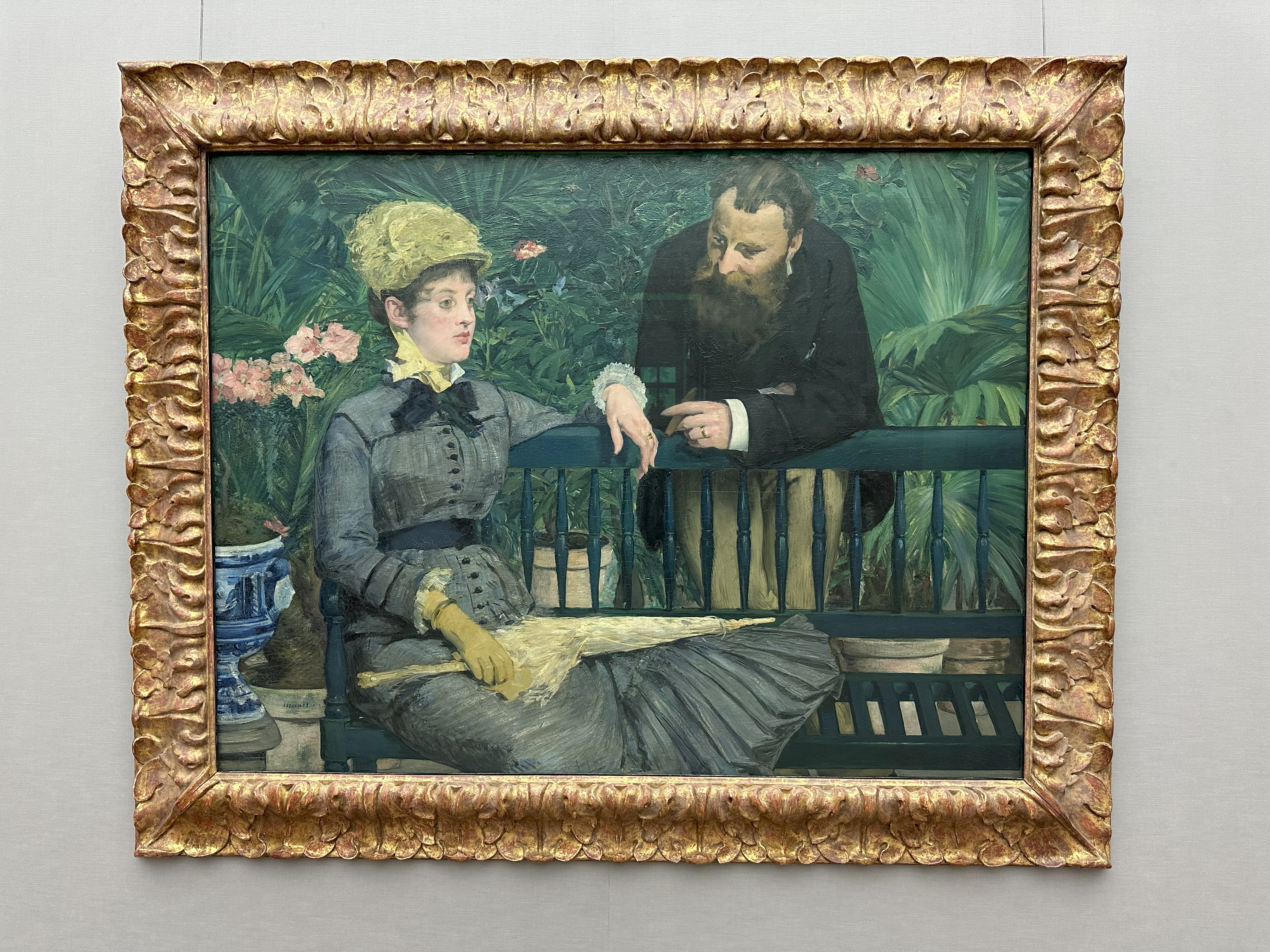
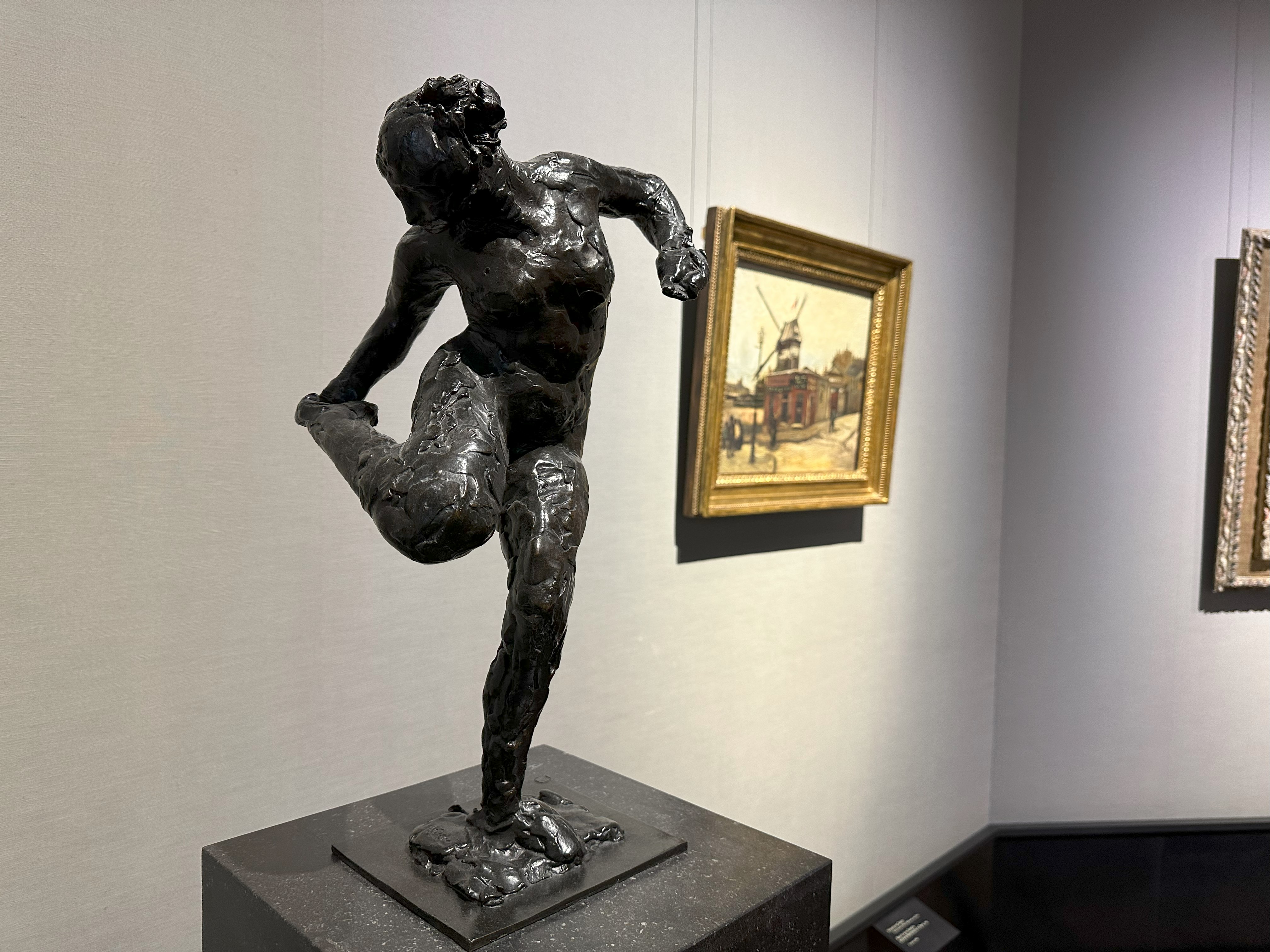
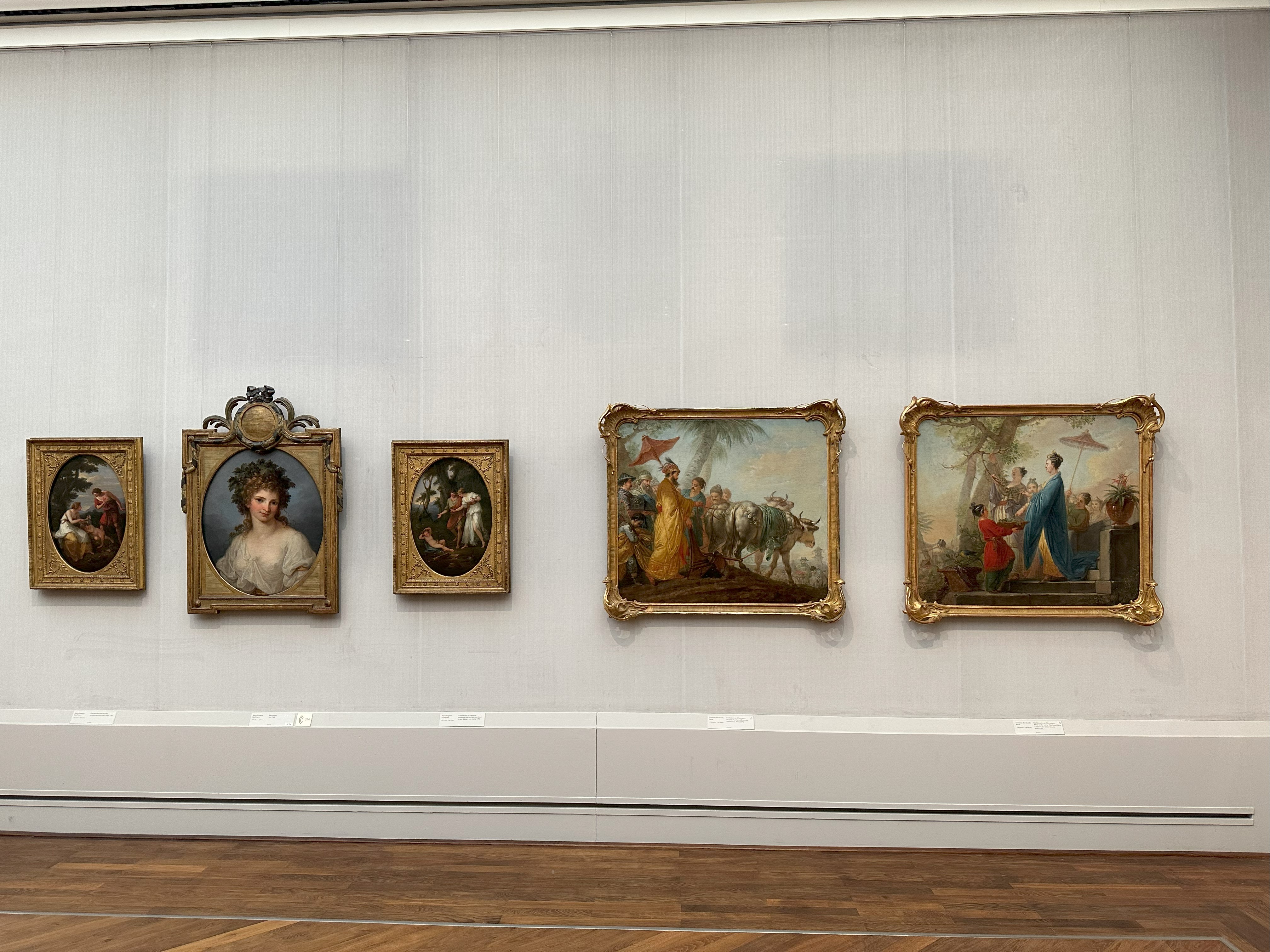
Next stop was, The Alte National Galerie, regarded as a comprehensive collection of art of the era between the French Revolution and the First World War, between Classicism and Secessions. The museum had many floors containing different art of the 19th and early 20th century. Adolph Menzel’s paintings were among them including important works such as “The Balcony Room” and the “Iron Rolling Mill”. The collection also contained high quality Impressionist paintings, like masterpieces by Edouard Manet, Claude Monet, Auguste Renoir, Edgar Degas, Paul Cézanne and sculptures by Auguste Rodin. Other paintings included Caspar David Friedrich from all phases of his artistic career which illustrated the development of the great master of German Romantic art. The collection also contained paintings by Max Liebermann and many, many more artists.
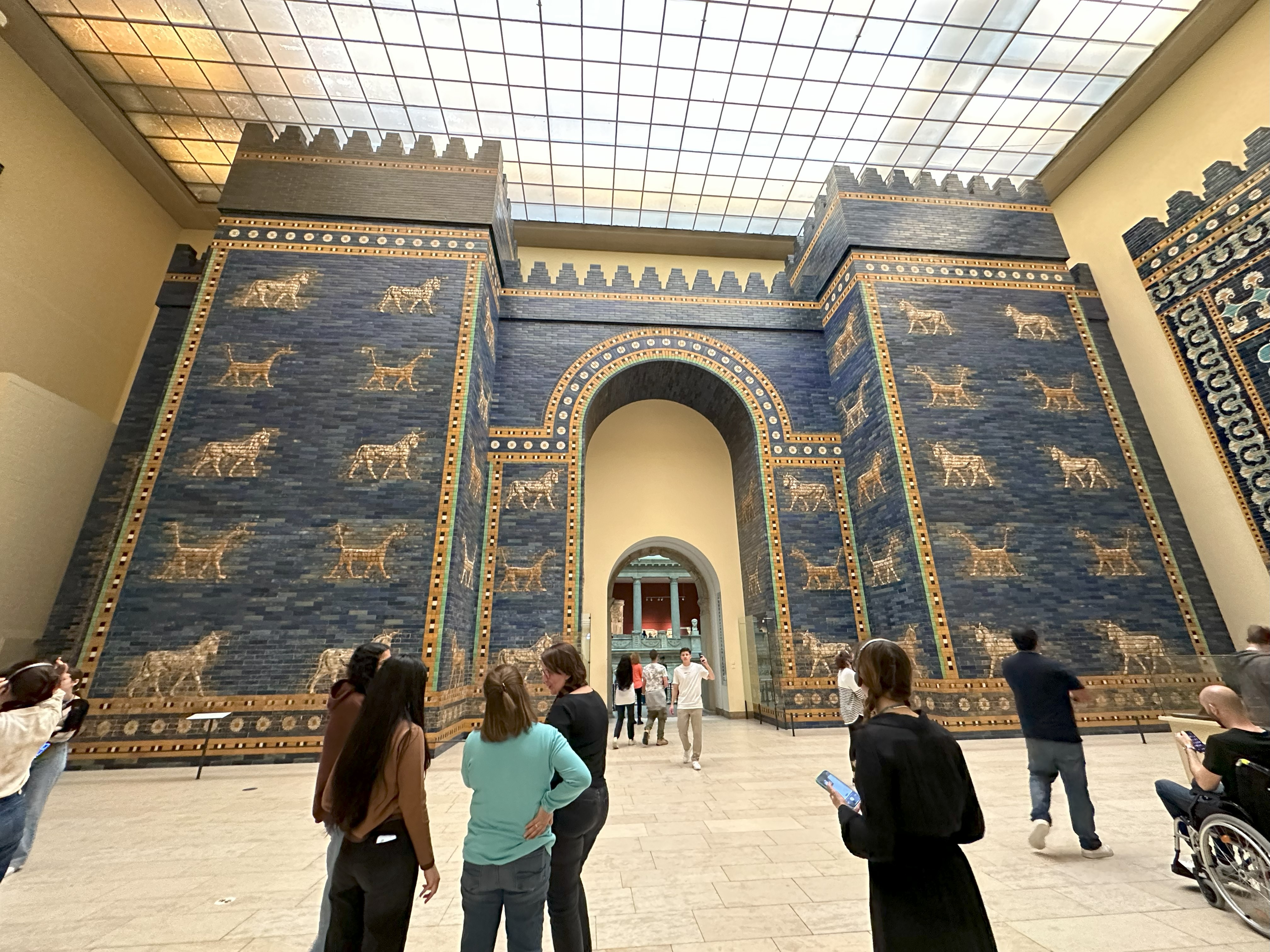
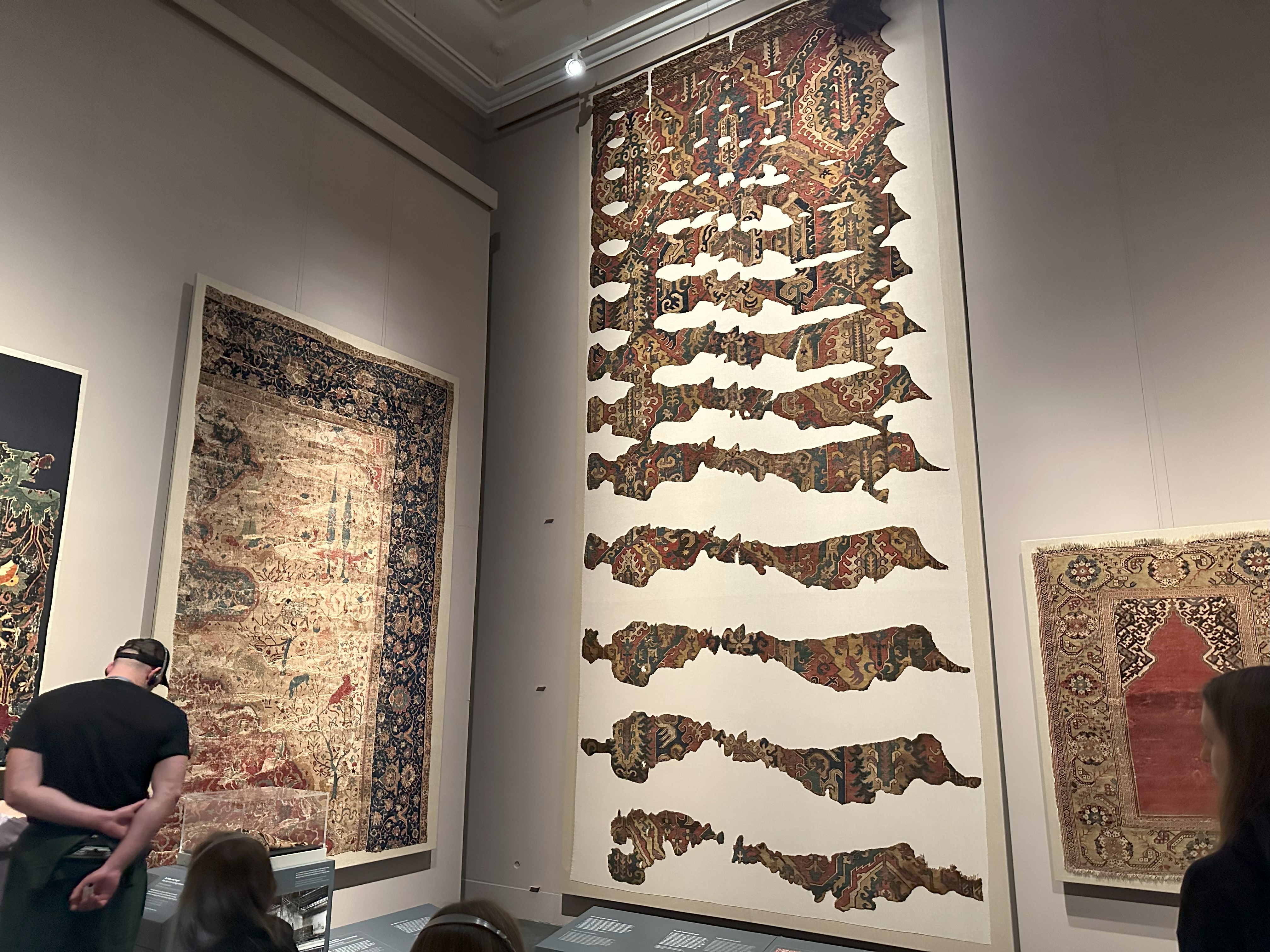
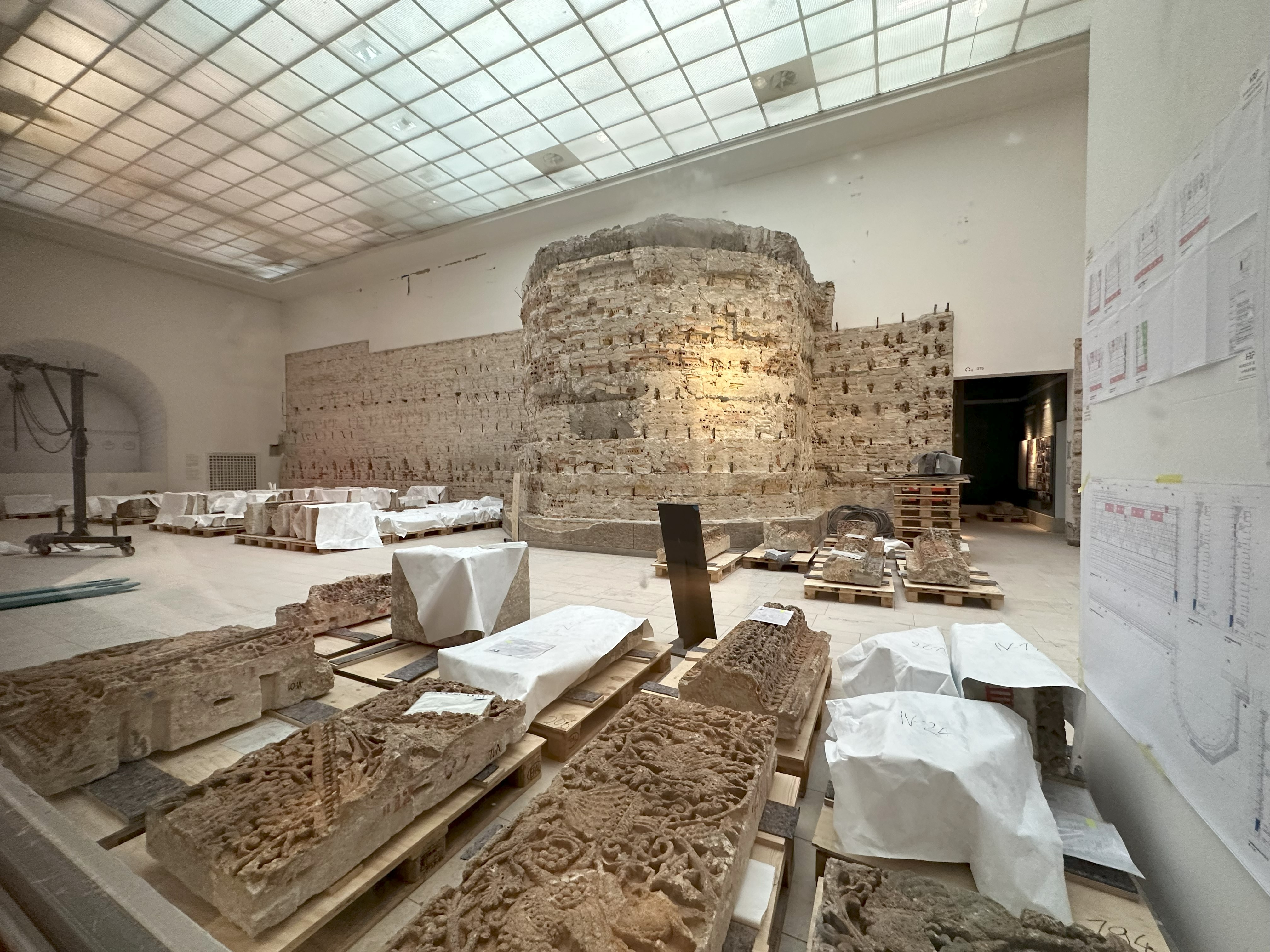
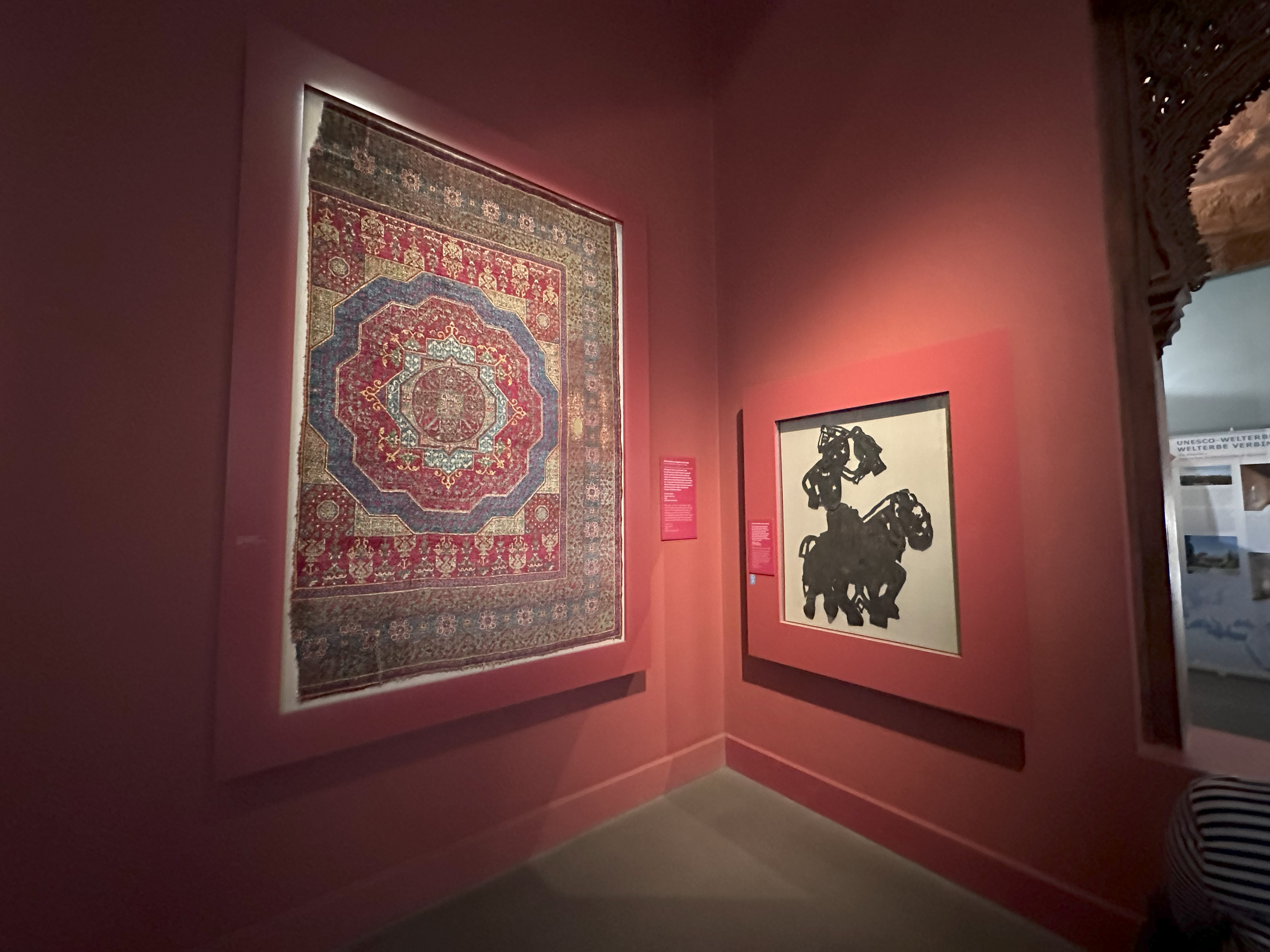
The day ended in the massive Pergamon Museum. One wing of the museum contained the permanent exhibition of Islamic Art, which showcased the architecture and material culture of Islamic peoples and societies from the 8th to the 19th century. The works of art originate from the vast area stretching from Spain to India. The collection’s main focus was on Western Asia and Egypt. One of the major attractions can be walked through to experience the world-famous reconstructions of brilliantly colored Babylonian monuments: the Processional Way, the Ishtar Gate and the façade of the throne hall of King Nebuchadnezzar II. On display in another section was the reopened, Dreams and Trauma, exhibition containing vivid carpets and tapestries. For the first time, this exhibition displayed textiles that were damaged by fire during the hail of bombs that rained down on Berlin in 1945.
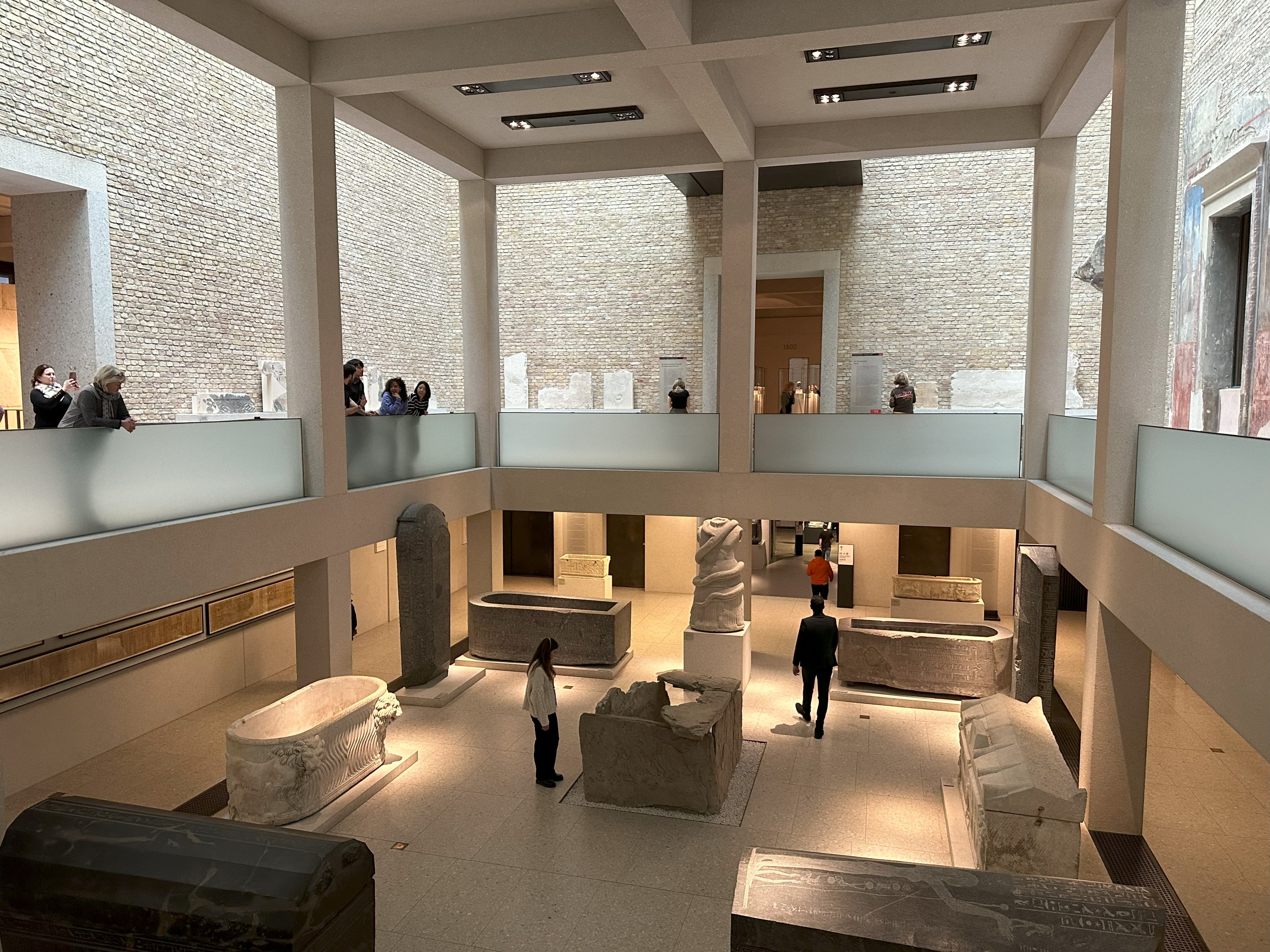
Students also visited the Neue Museum which provided insight into the continuity and changes of Ancient Egyptian culture over four millennia as well as the cultural history of Ancient Sudan; this included the famous life-sized painted bust of the queen Nefertiti. In the upper floor of the museum, the display of Prehistory and Early History showed the oldest eras of human history including the prehistory and ancient history of Europe and near-lying regions of Asia.
Tour of private collections, artist studio visits, and museum visits.
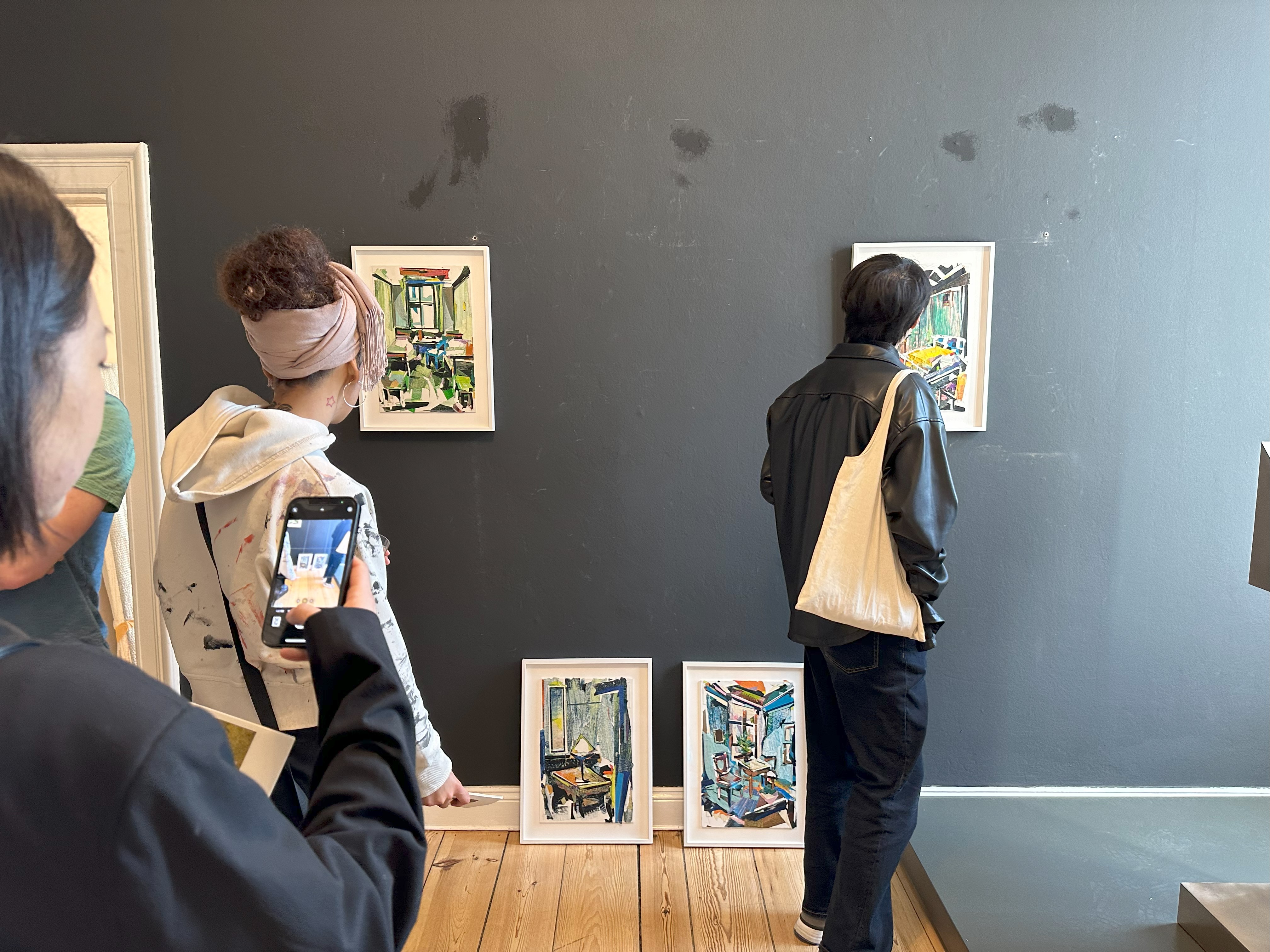
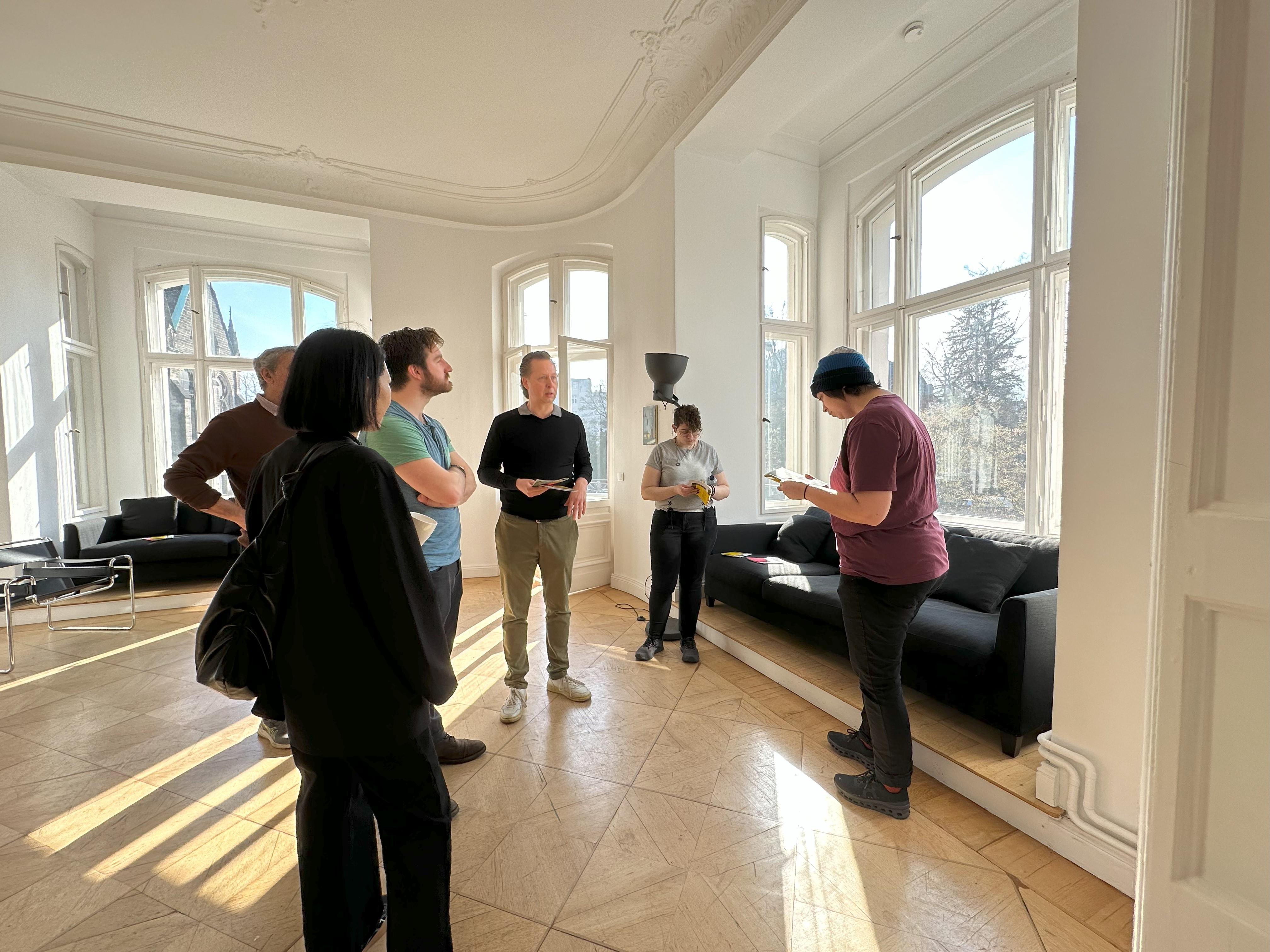
To start the day, students were given a tour of a private collection by the Berlin collector, Stefan Glamp, who has been involved in contemporary art since the mid-1990s and has been running an exhibition space for contemporary art at the Südstern in Berlin-Kreuzberg since 2017. Glamp was preparing for a new exhibition, Insights.Outsights., featuring artists Daniel Pitín, Carlos Sagrera, and Tino Geiss.
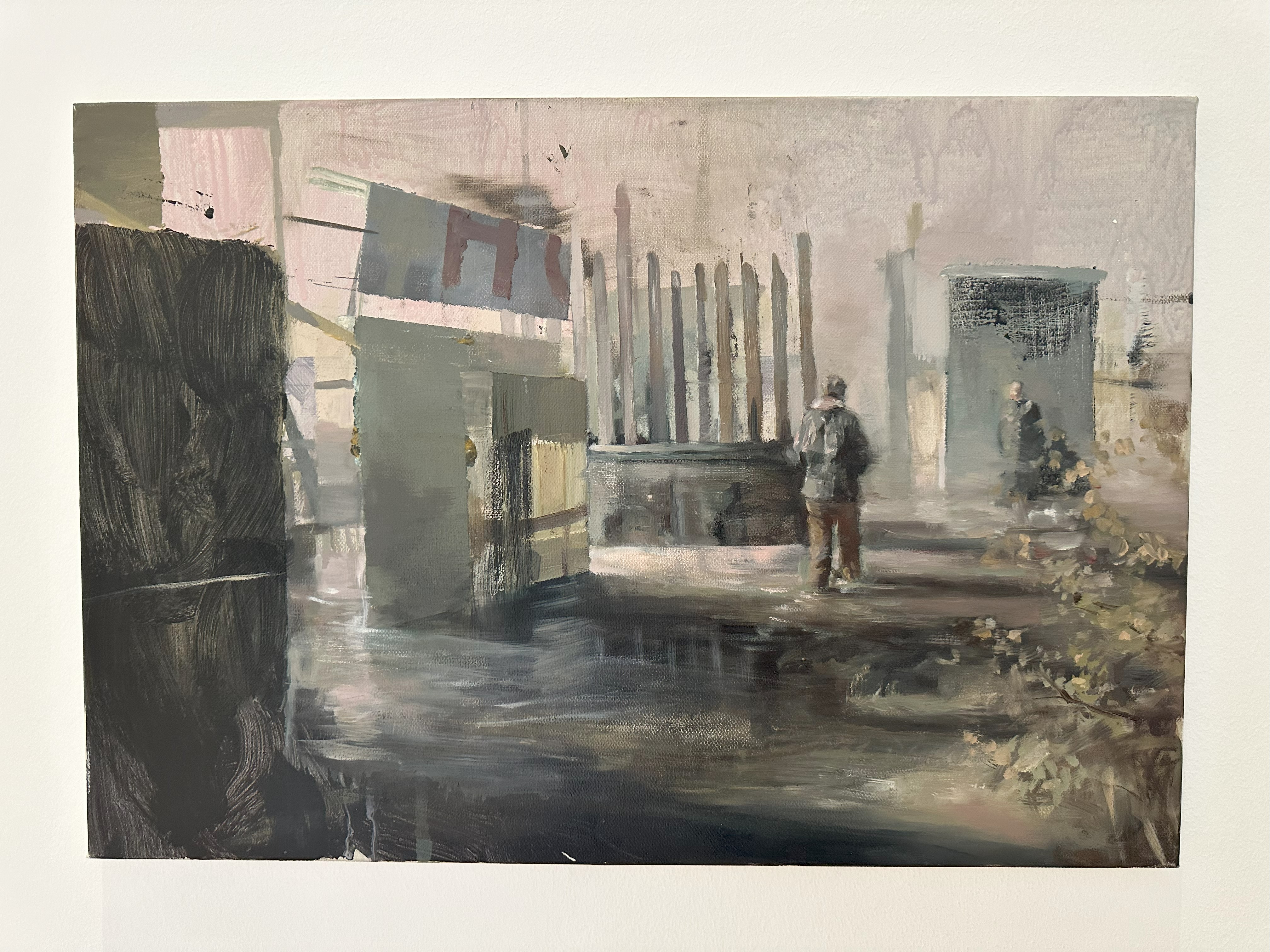
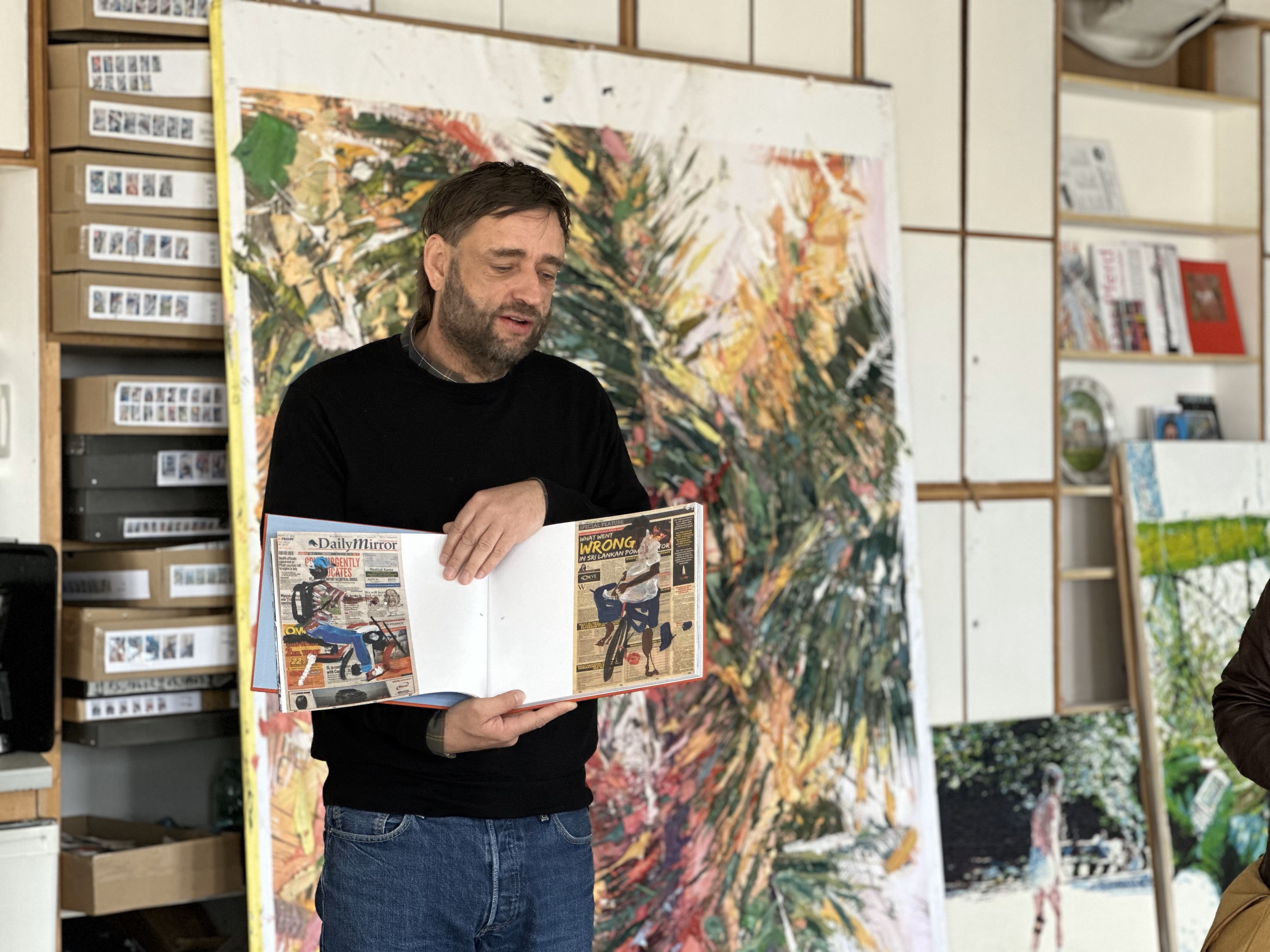
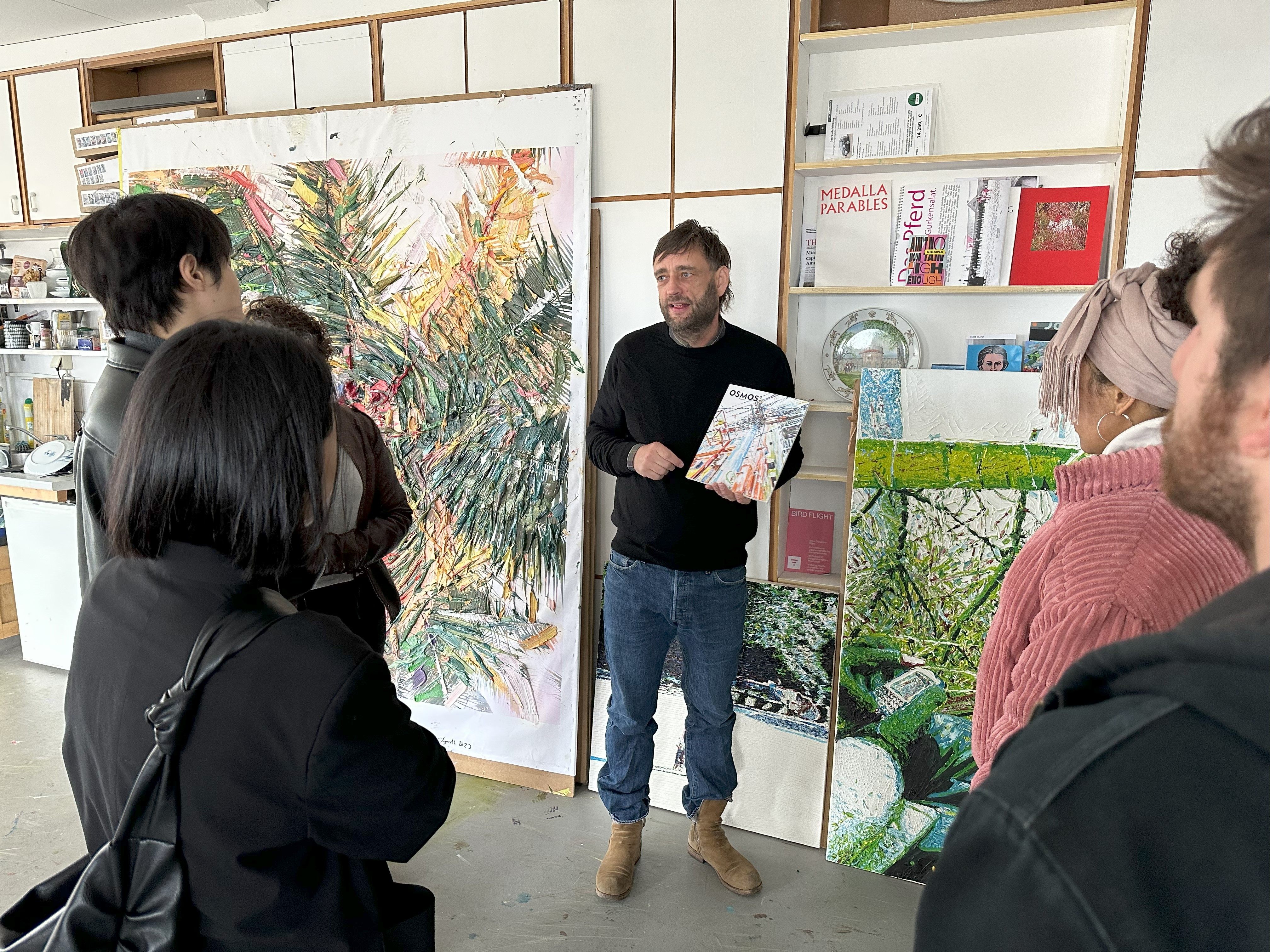
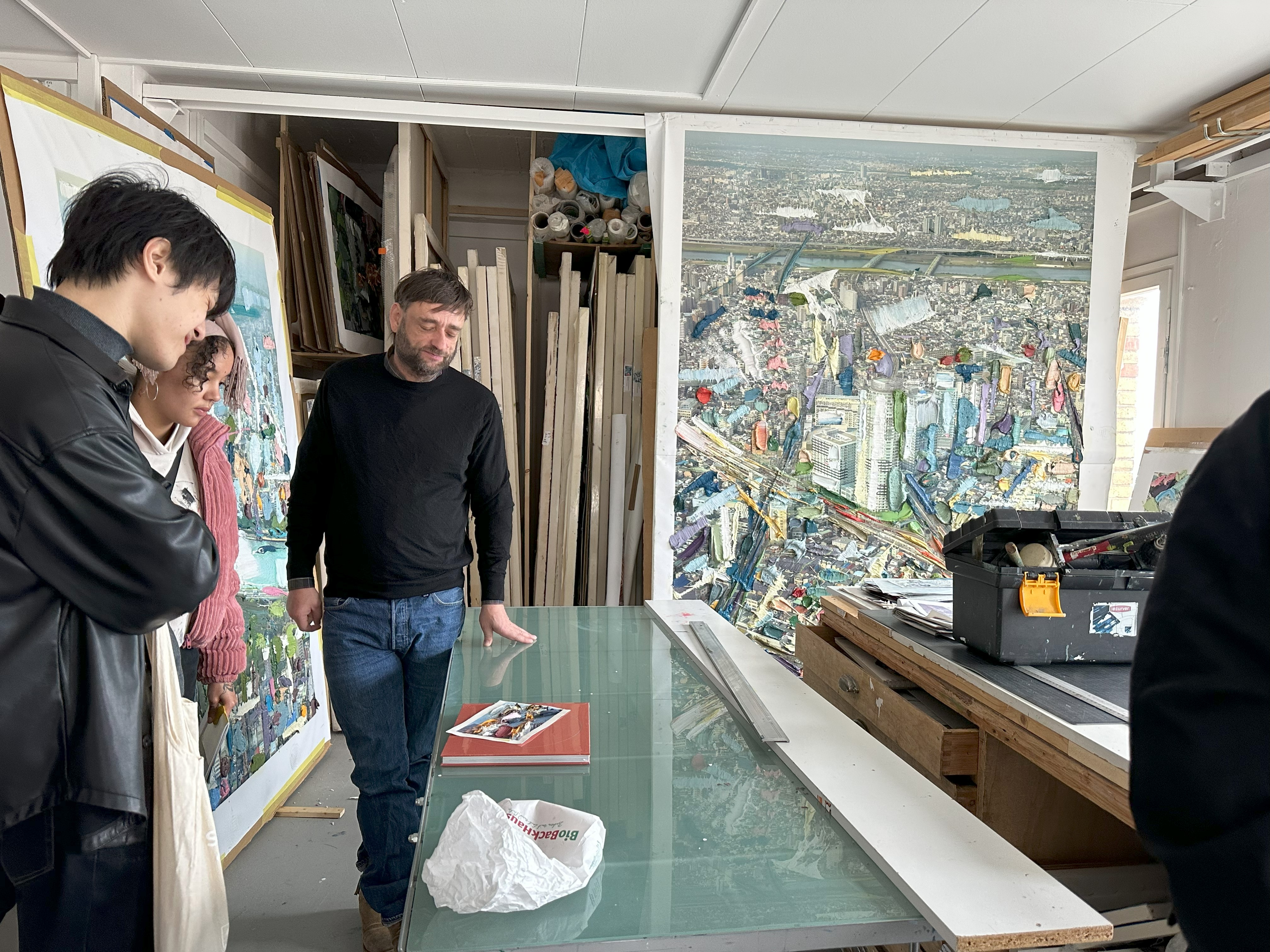
After the tour, Glamp drove students to the studio of painter Erik Schmidt for an in depth look into his work. Schmidt’s work has often been shaped by the narratives of his travel experiences and his desire to illustrate what he perceives by the encounter with foreign cultures. His new work introduced us to a six-week trip he made last spring to Sri Lanka, across the villages surrounding Colombo, the capital city where mass protests began in March 2022 and spread all over the country. Schmidt also shared some older experimental movies he made years ago.
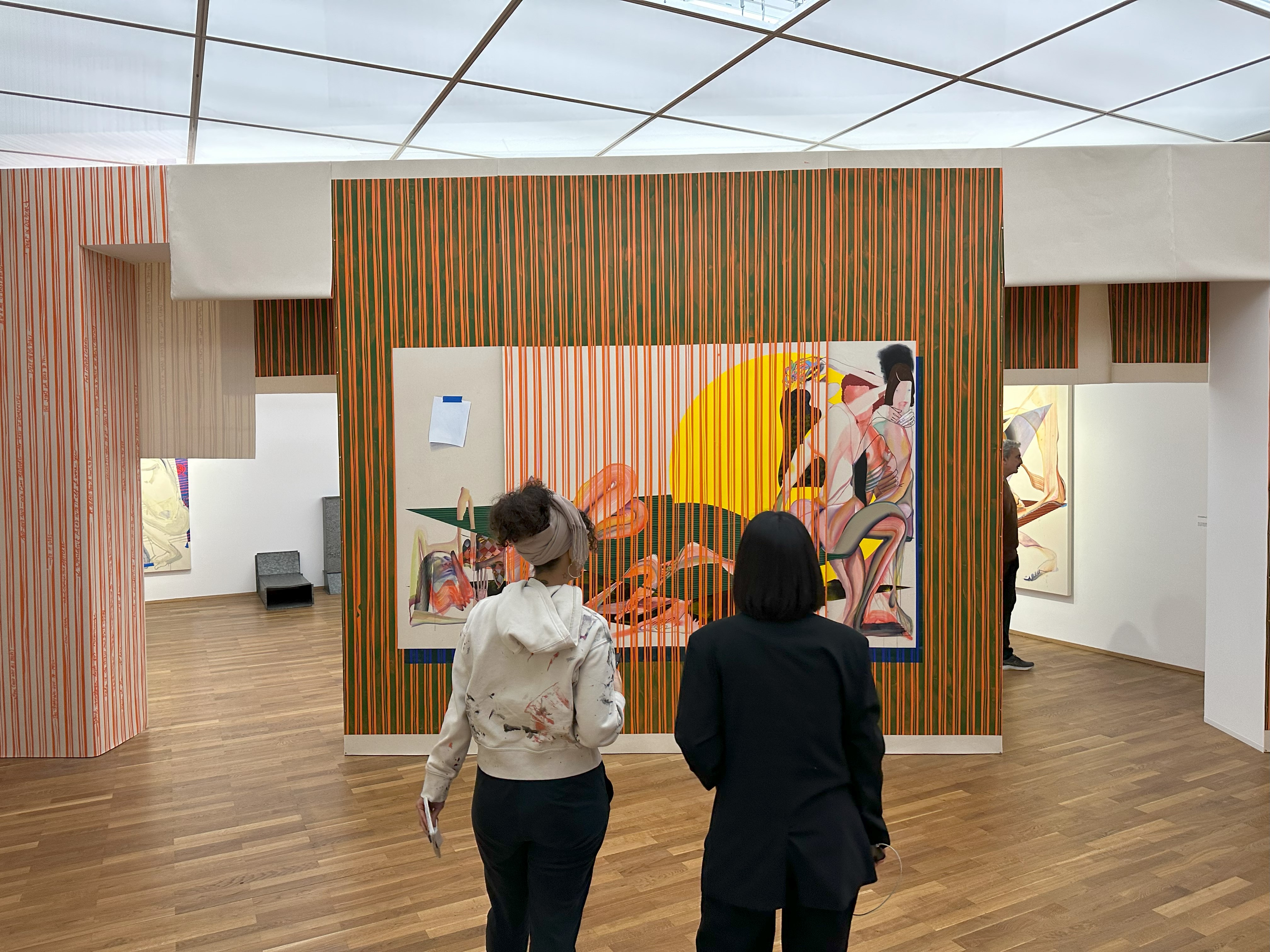
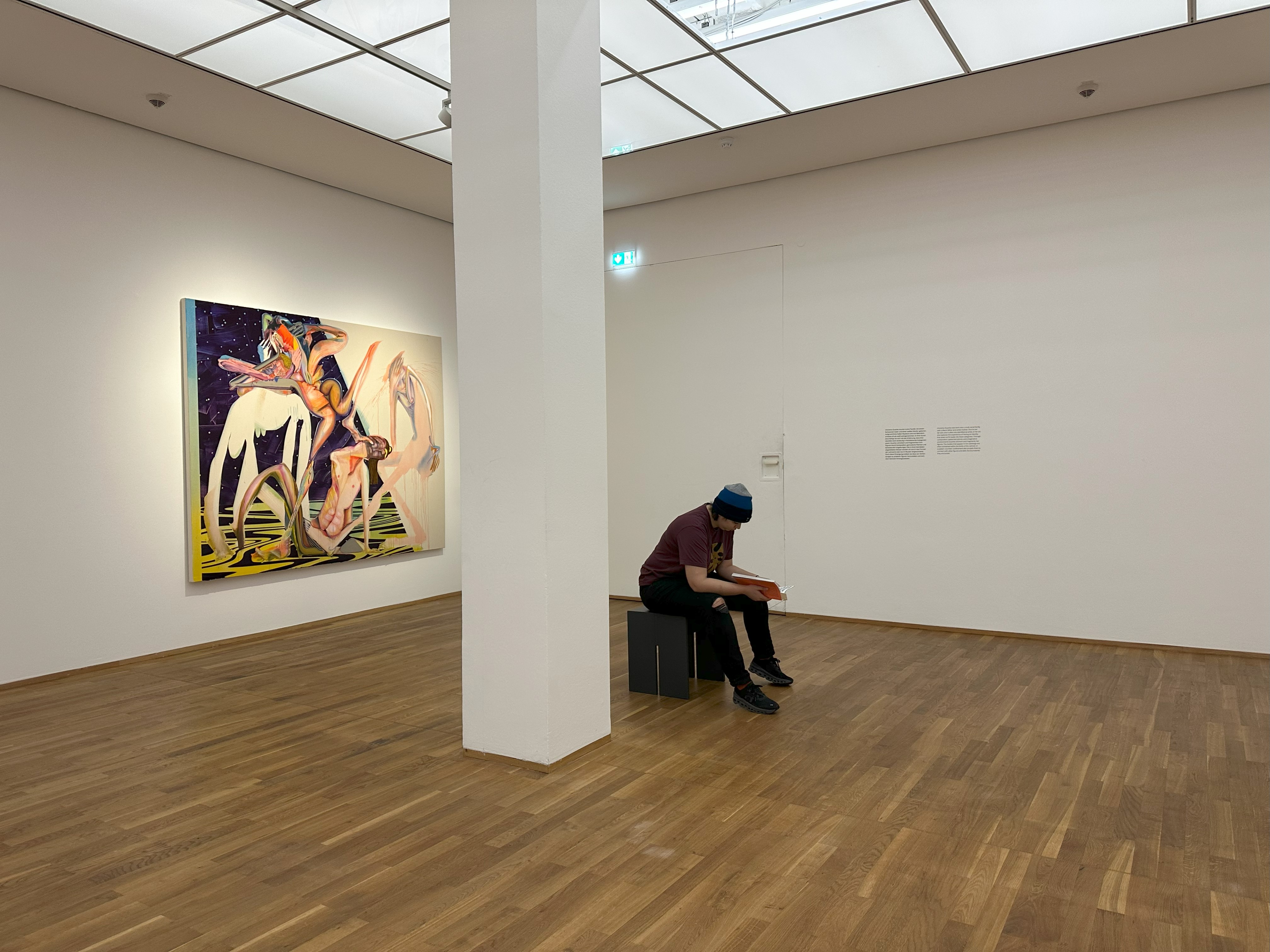
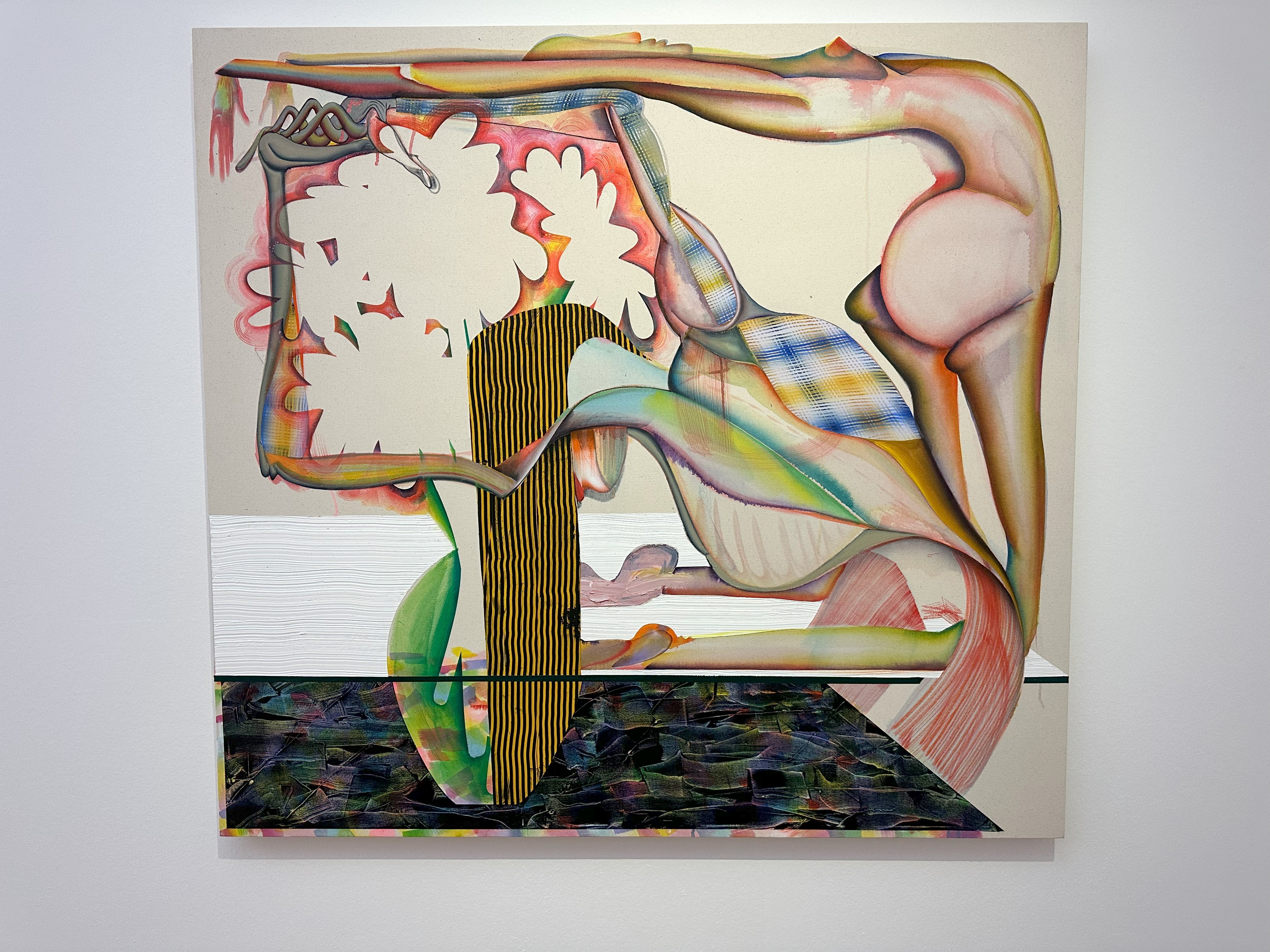
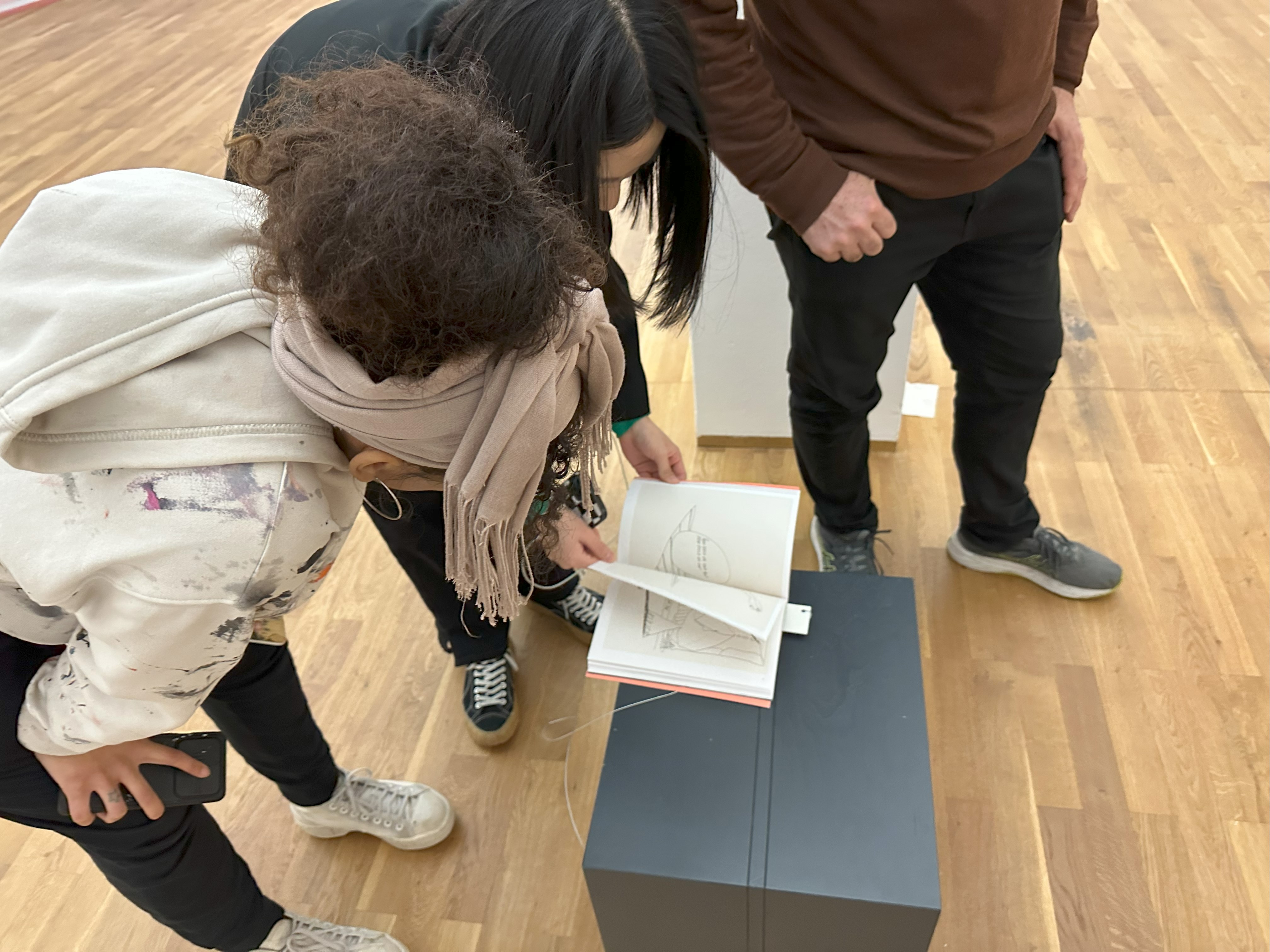
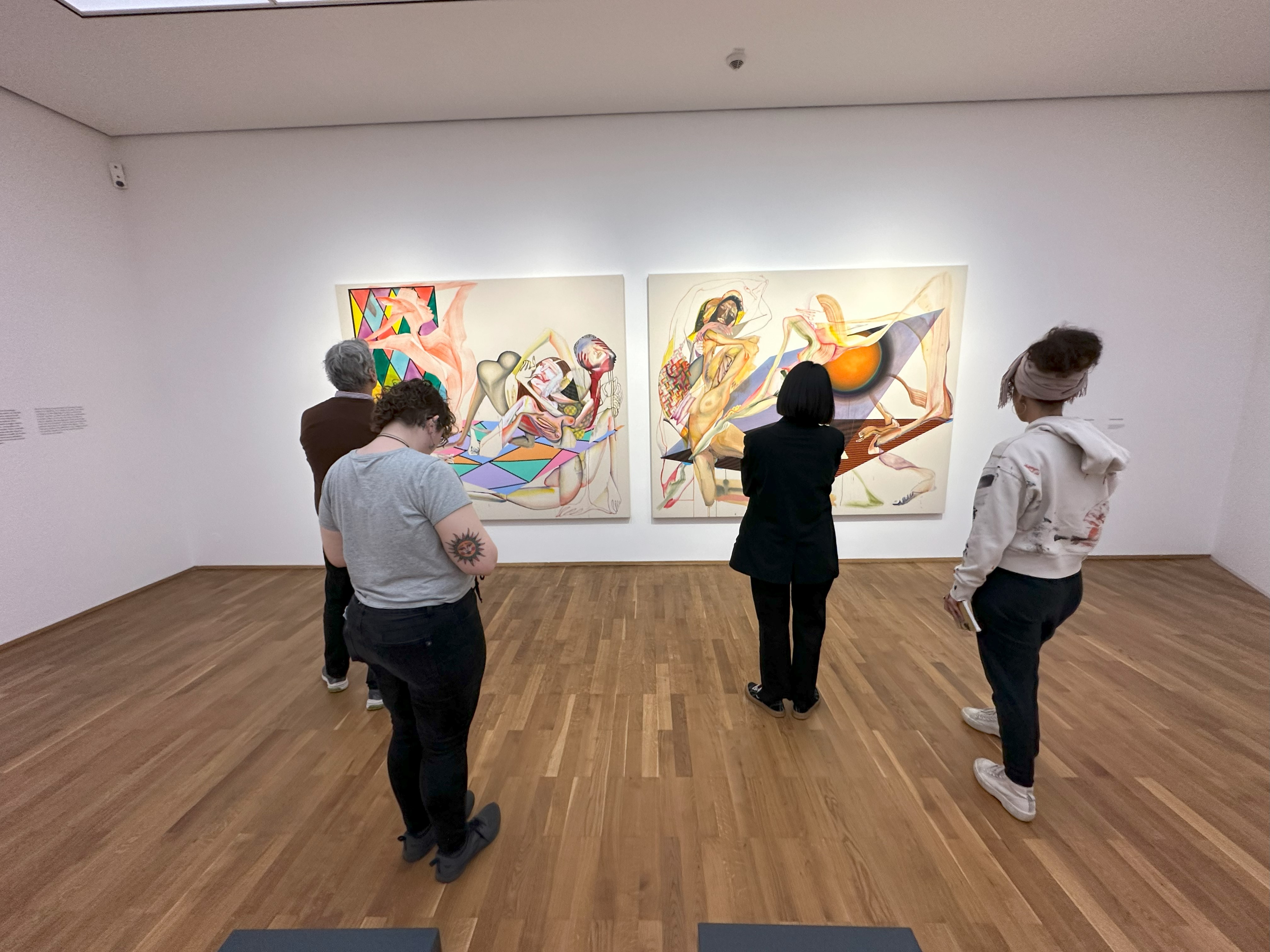
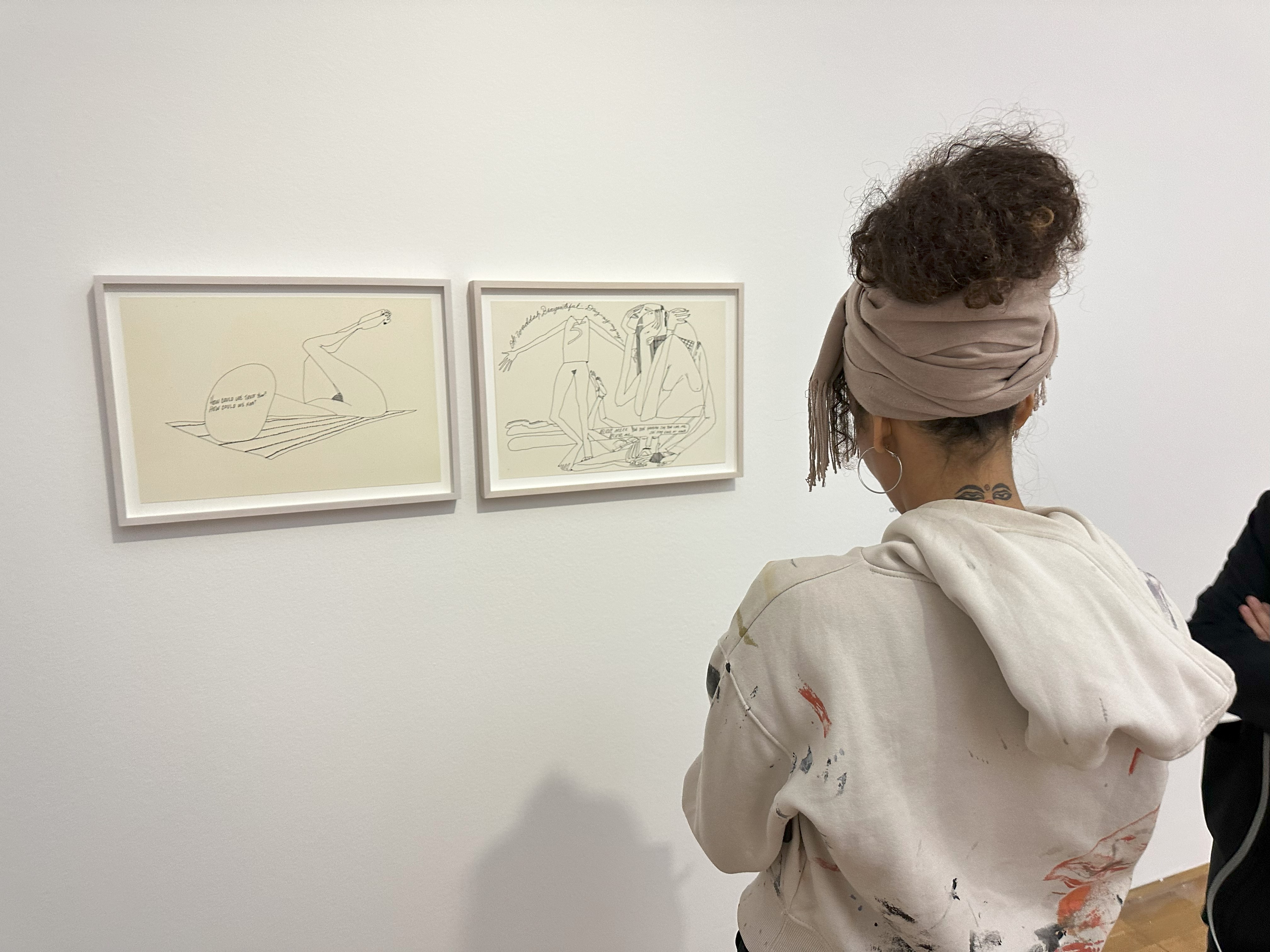
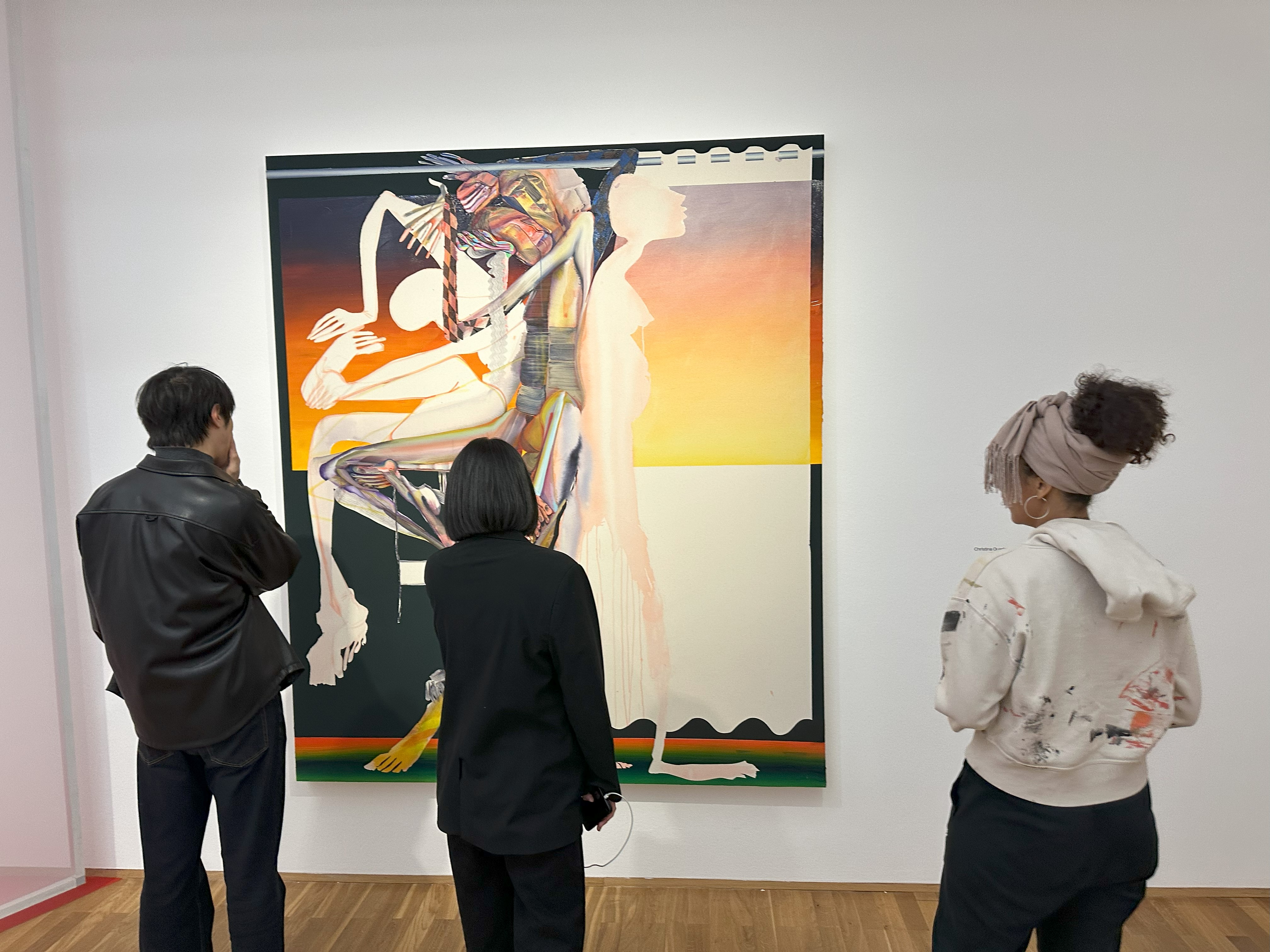
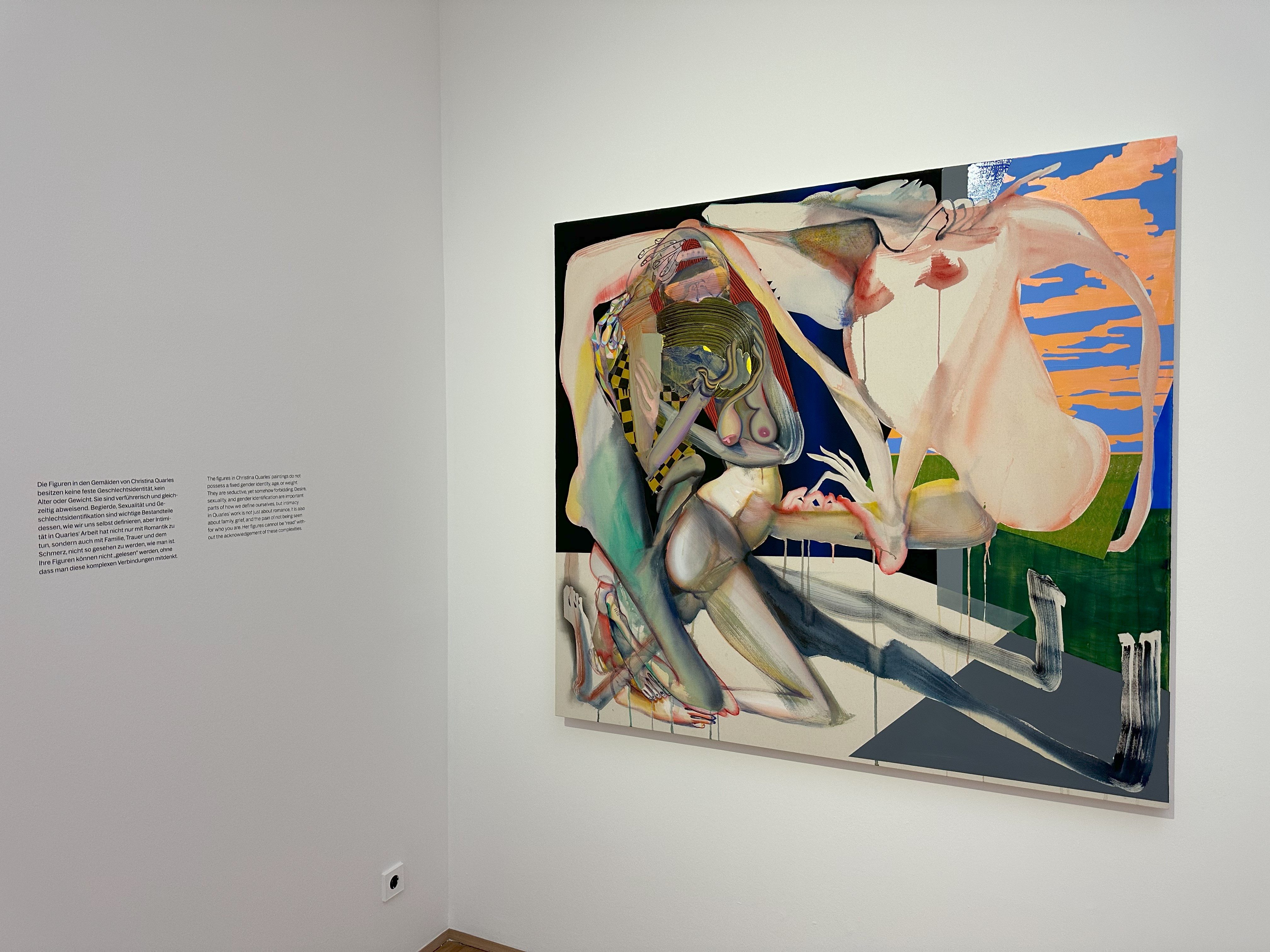
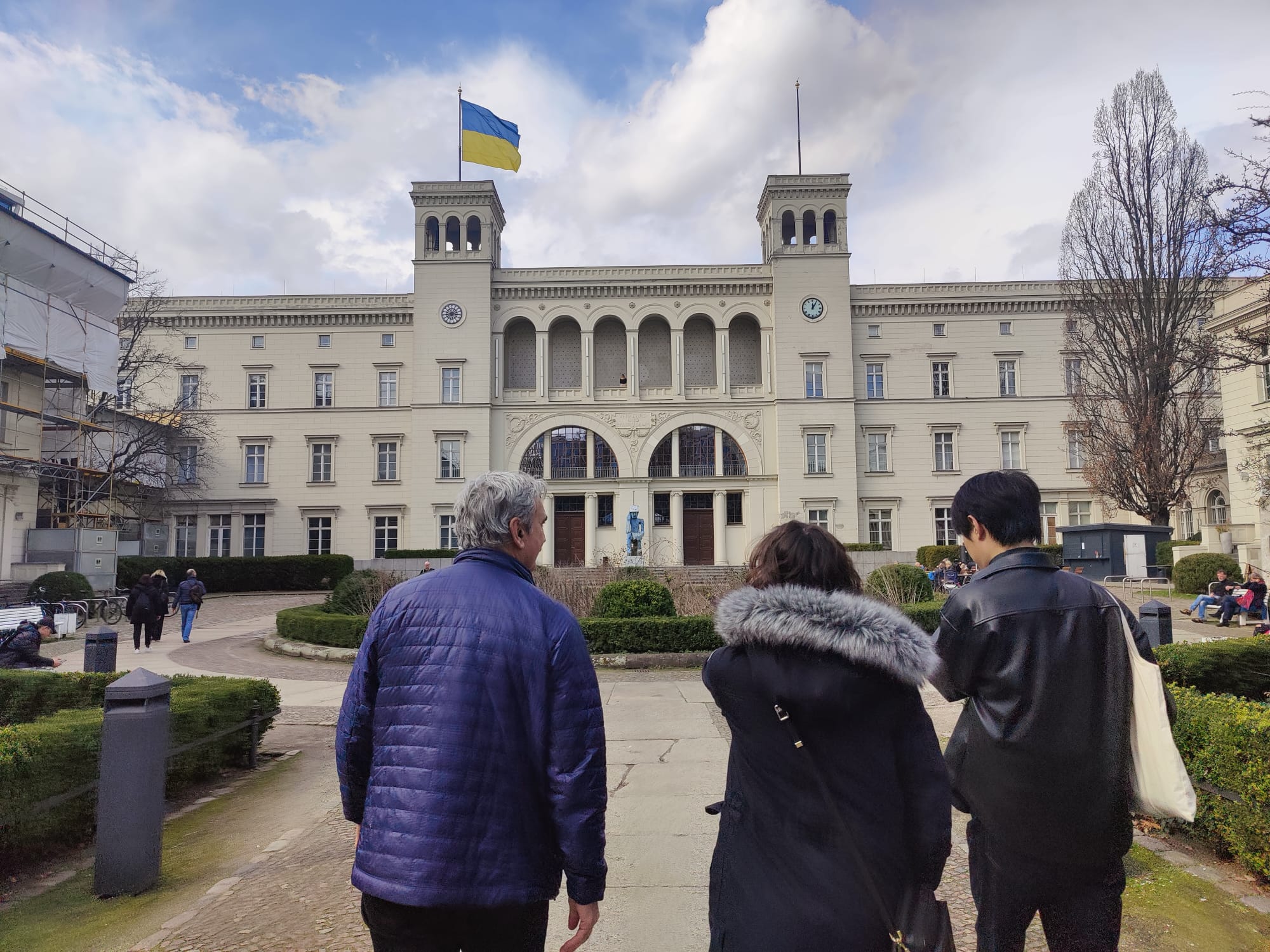
Next, students visited the Hamburger Bahnhof where they first viewed, Collapsed Time, a solo exhibition of the US painter Christina Quarles. This installation occupied the entire exhibition space: gauze panels divided the rooms, similar to translucent theatre scrims used to reveal and obscure actors, décors, and objects. The formal language of Quarles’ paintings explore the experience of living in a racialized, queer body. Her figures contend with the boundaries of identity, as they intervene with complex patterns and planes.
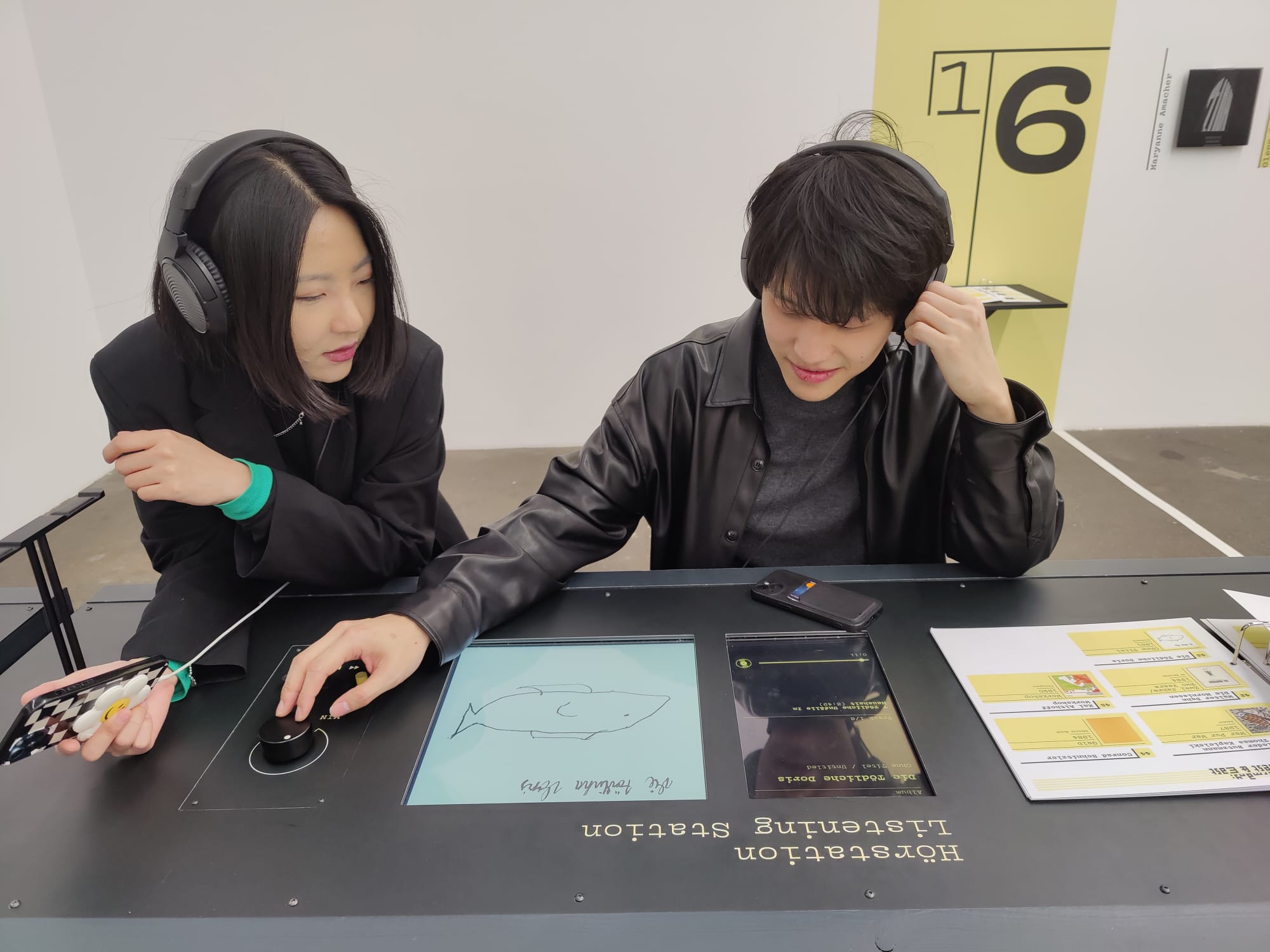
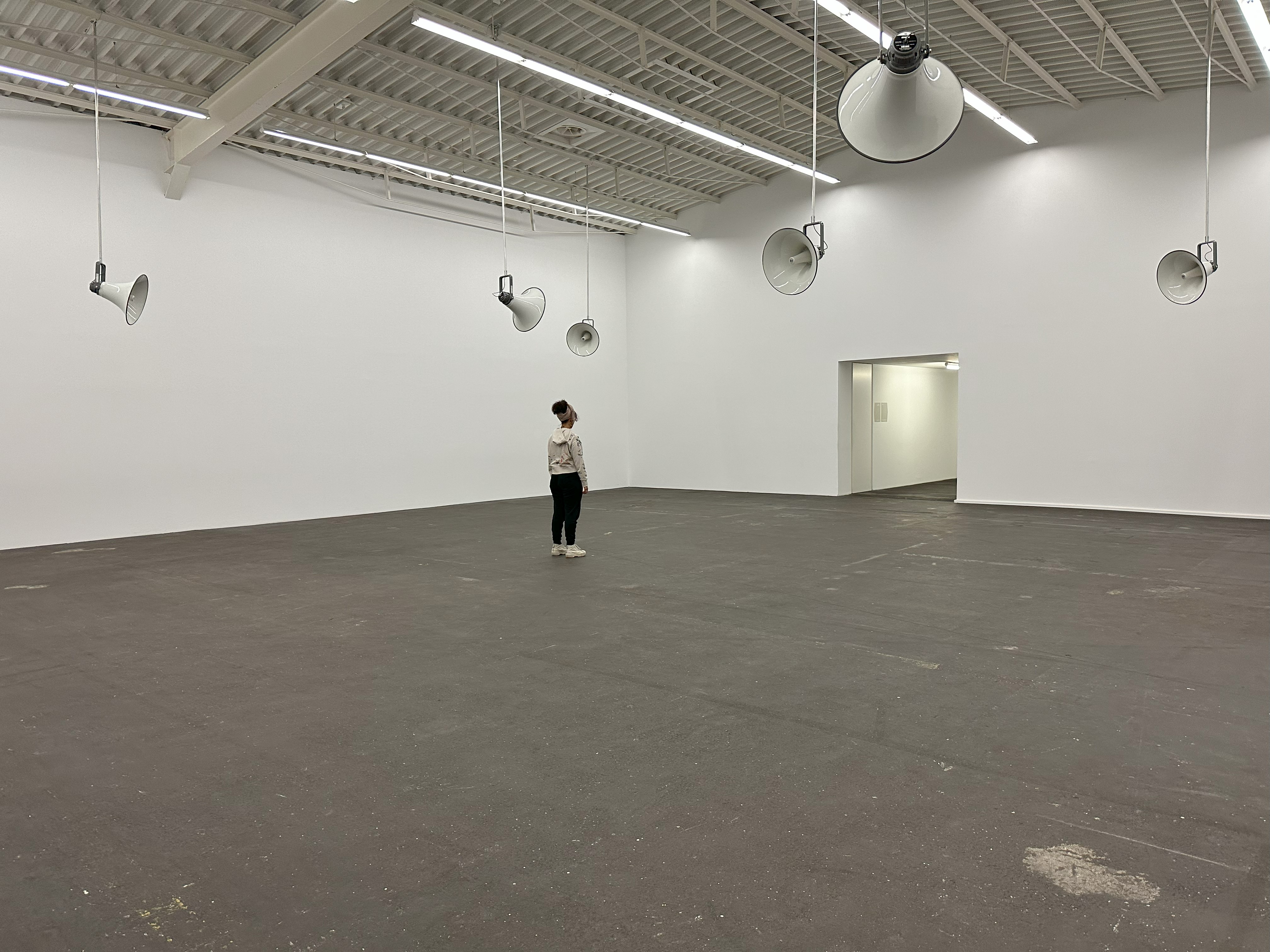
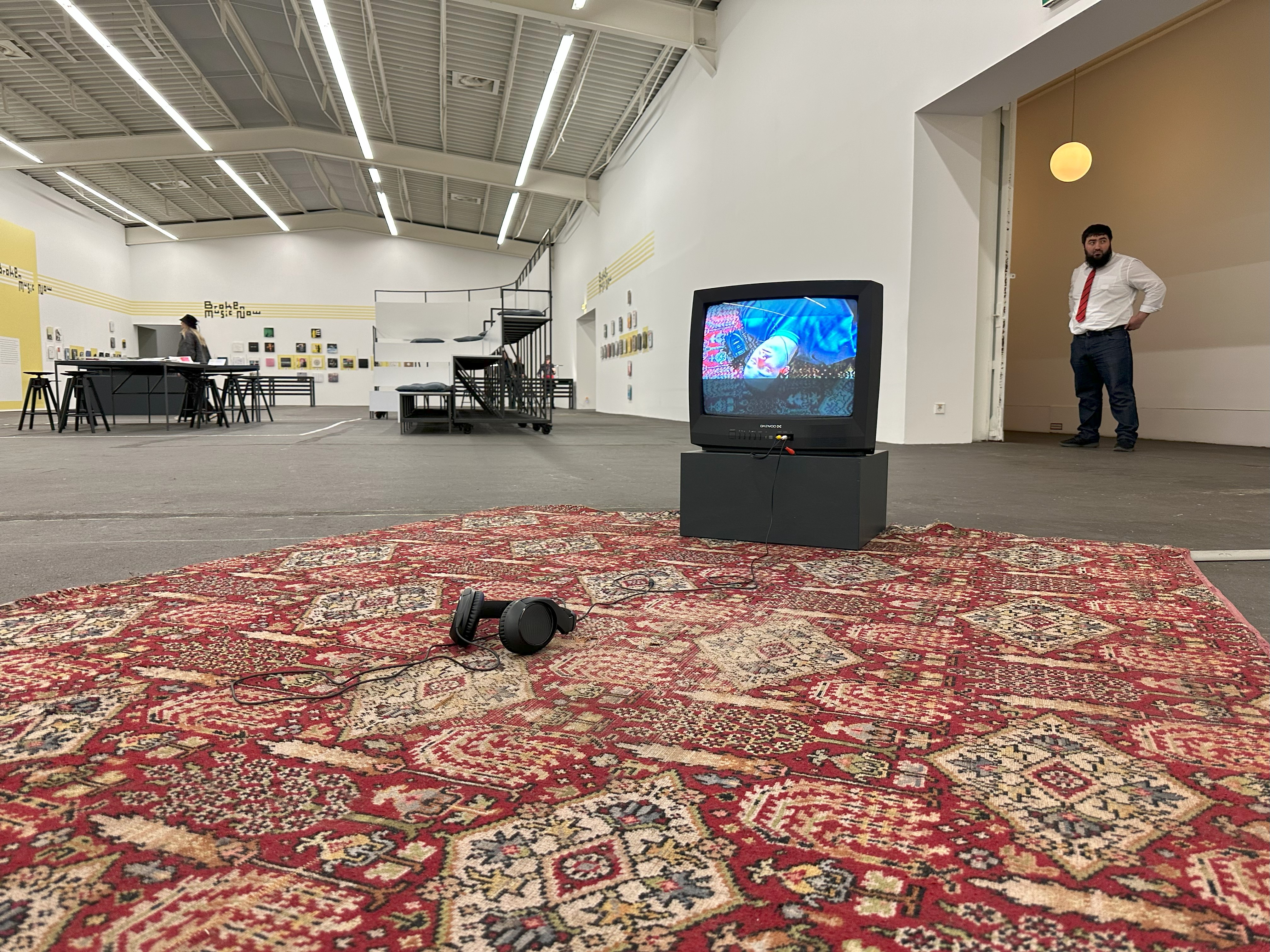
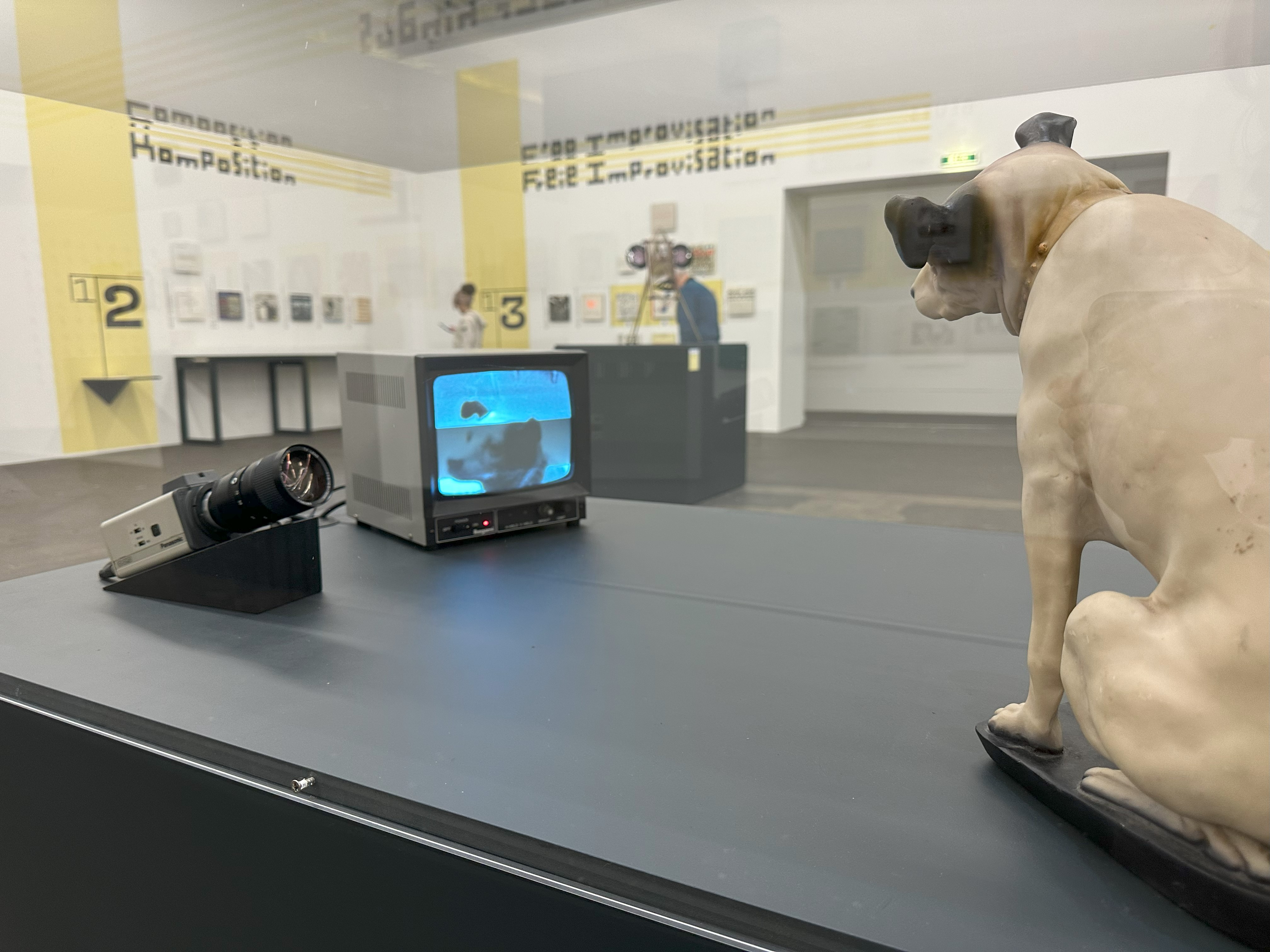
Also on display was, Broken Music Vol. 2, an exhibition looking at artists’ engagement with the vinyl records over the past seven decades. The exhibition presented 700 records, arranged in ten chapters, to explore the development of the record as an artistic medium from the post-war period to the present and drew links with the fields of music in composition and improvisation, pop, punk and techno. The exhibition’s panorama is expanded by sound works from the National Gallery’s extensive collection, including spacious sound installations and immersive media works. By highlighting the interactions between the record and the fields of music, performance and sound art, colors are transformed into sounds and sounds into pictures. The show featured iconic covers by artists from Andy Warhol to Barbara Kruger as well as intensive sound installations by Christina Kubisch and Susan Philipsz.
Grads spent the day visiting many galleries and museums.
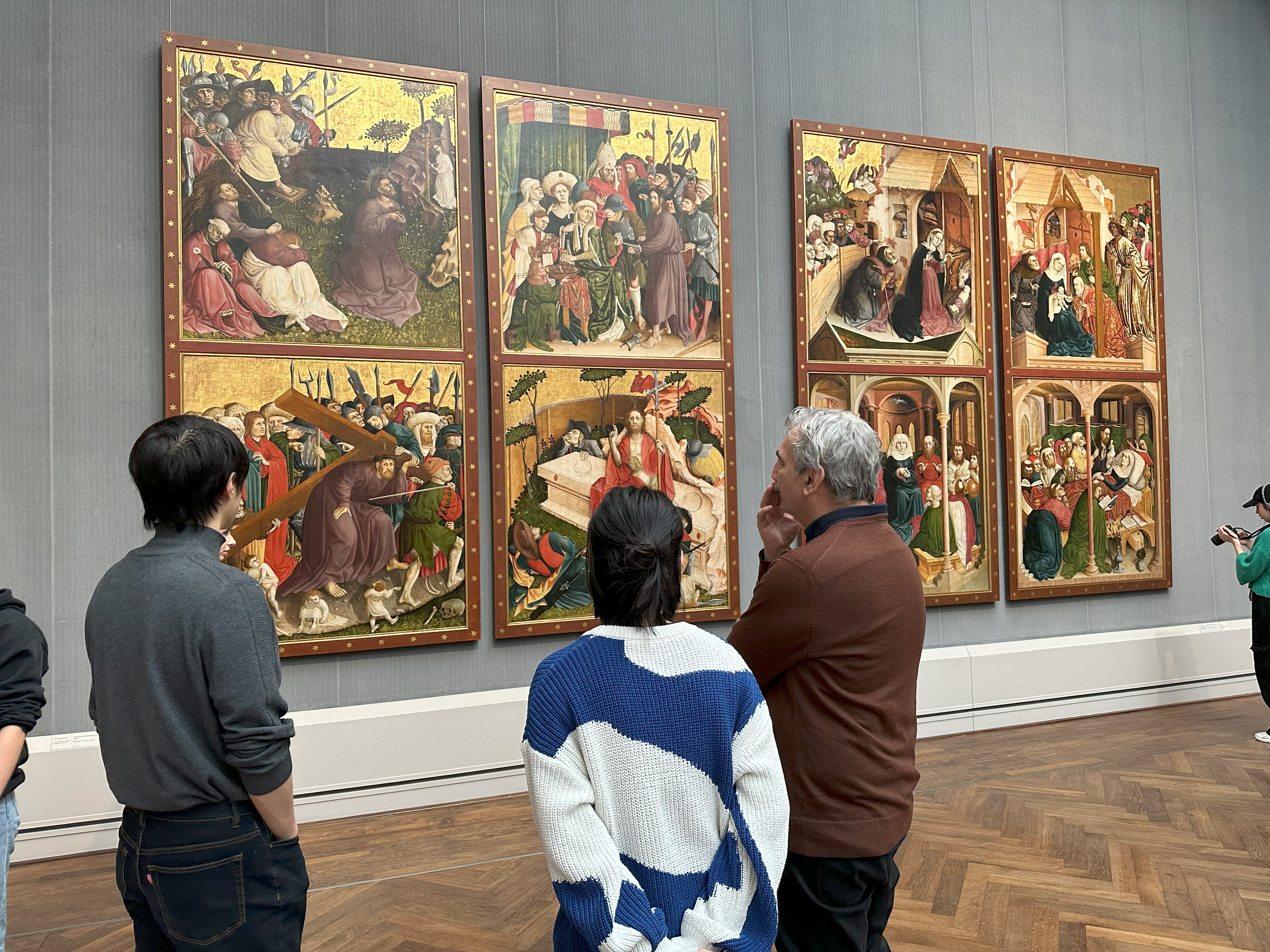
To start the day, students visited Gemäldegalerie, featuring about 1,200 masterpieces by many major artists from different schools of painting and stylistic periods. Core focal points in the collection are German and Italian painting of the 13th to 16th century and Netherlandish painting of the 15th and 16th century. The collection of paintings from the late Middle Ages and Renaissance ranges from the great Italian masters Giotto, Fra Angelico, Raphael and Titian to the richly detailed pictures of Pieter Bruegel, via the Flemish master Jan van Eyck and the most notable figures in early German painting of the Gothic and Renaissance periods such as Konrad Witz, Albrecht Dürer, Hans Baldung Grien, Lucas Cranach the Elder, and Hans Holbein.
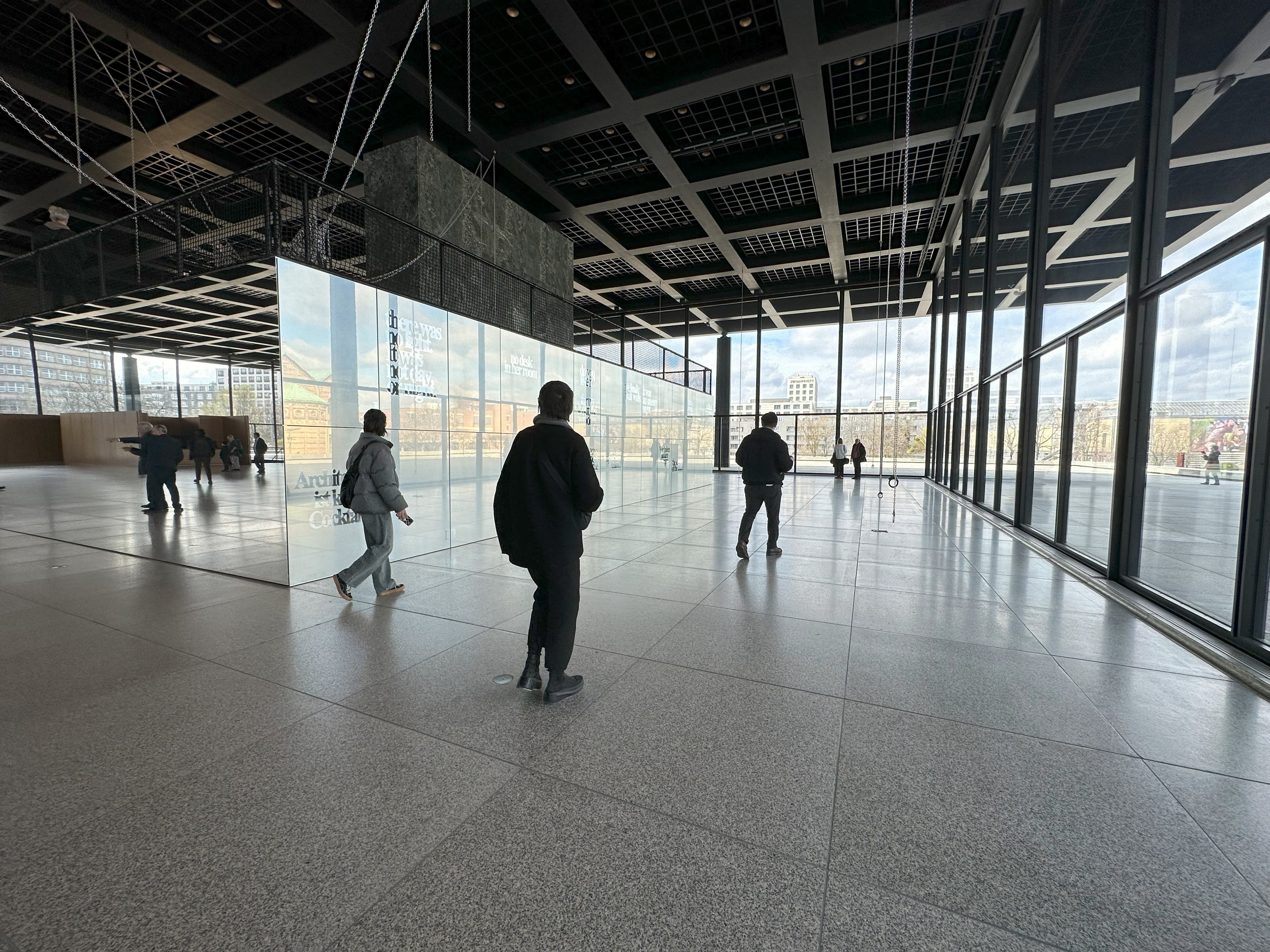
Afterwards, they visited the Neue Nationalgalerie where they explored Monica Bonvicini’s site-specific installation, “I do You”, which represents a feminist appropriation of the space conceived by Mies van der Rohe, which she fundamentally changes by means of architectural interventions. In addition to the architectural interventions, selected sculptural works from Bonvicini’s oeuvre were on display, with which visitors could also interact, such as her usable “Chainswings”.
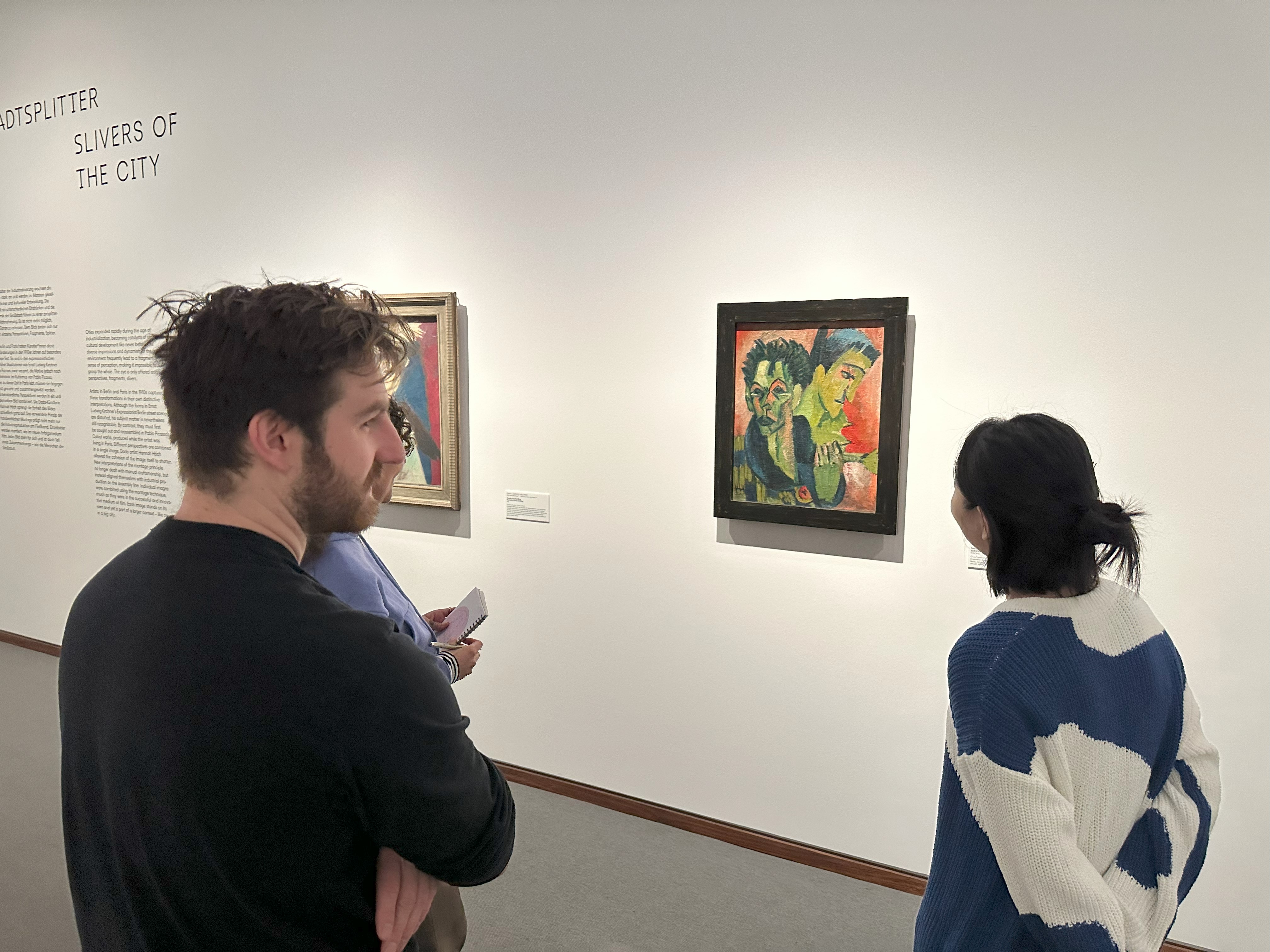
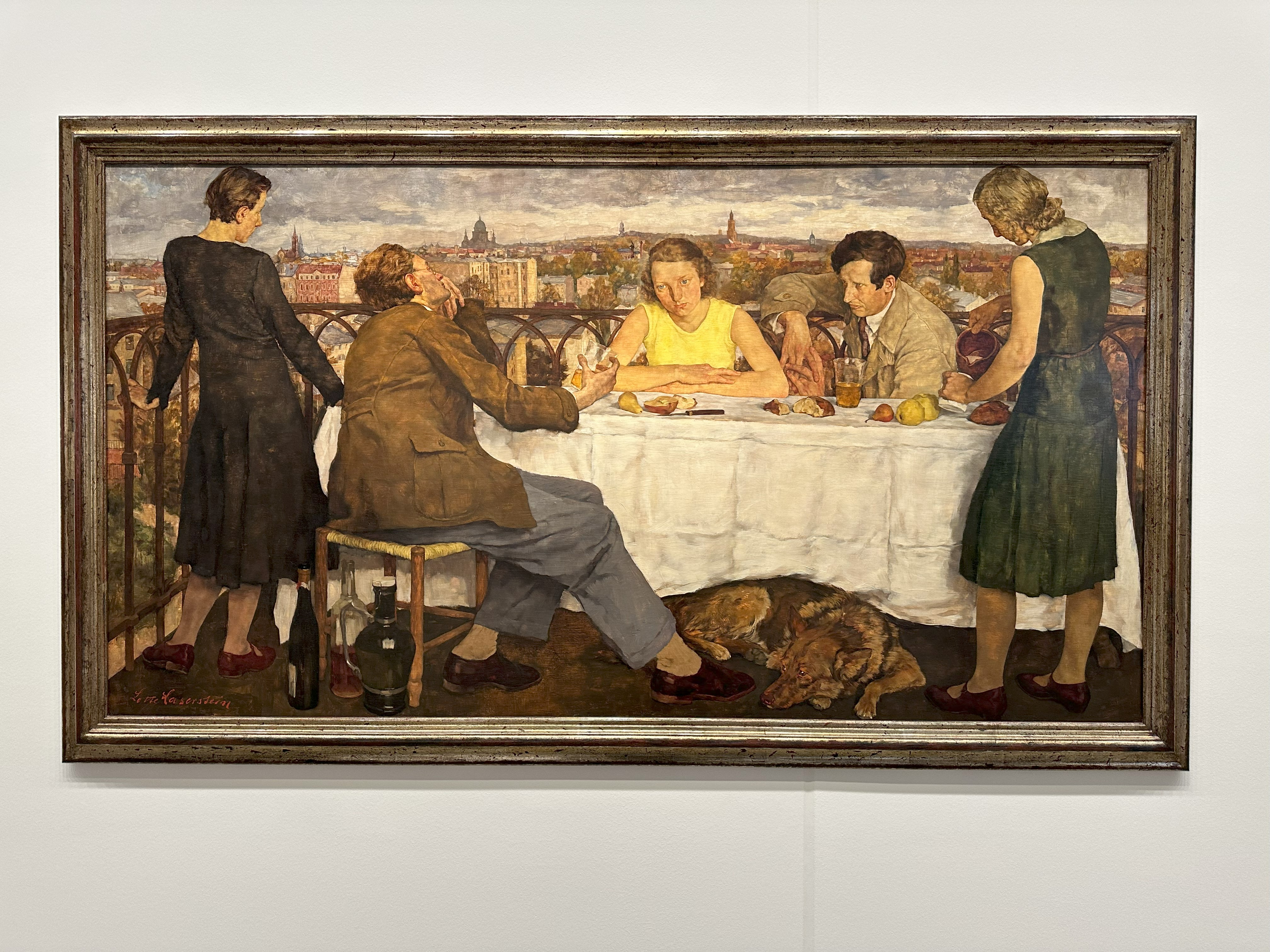
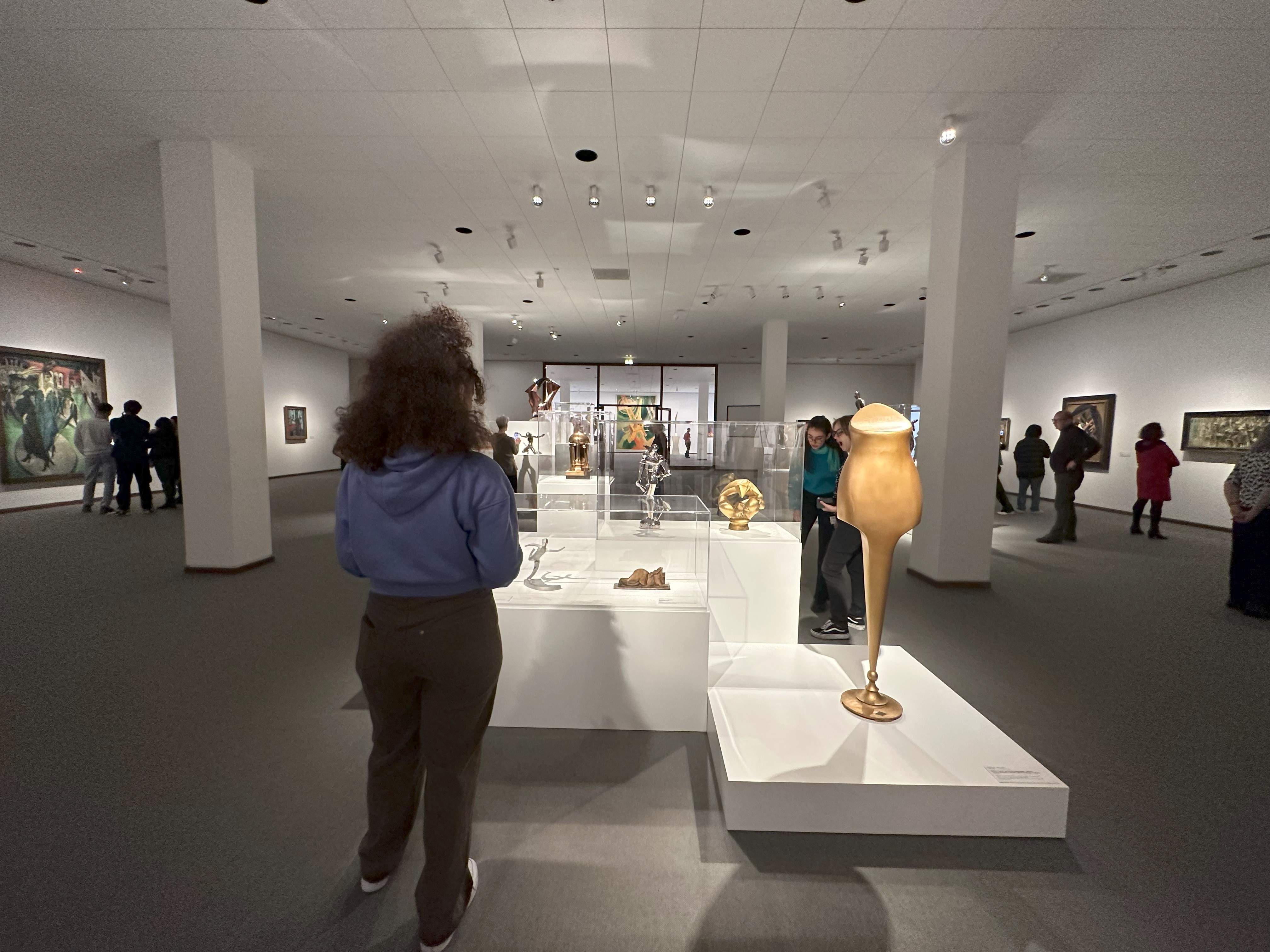
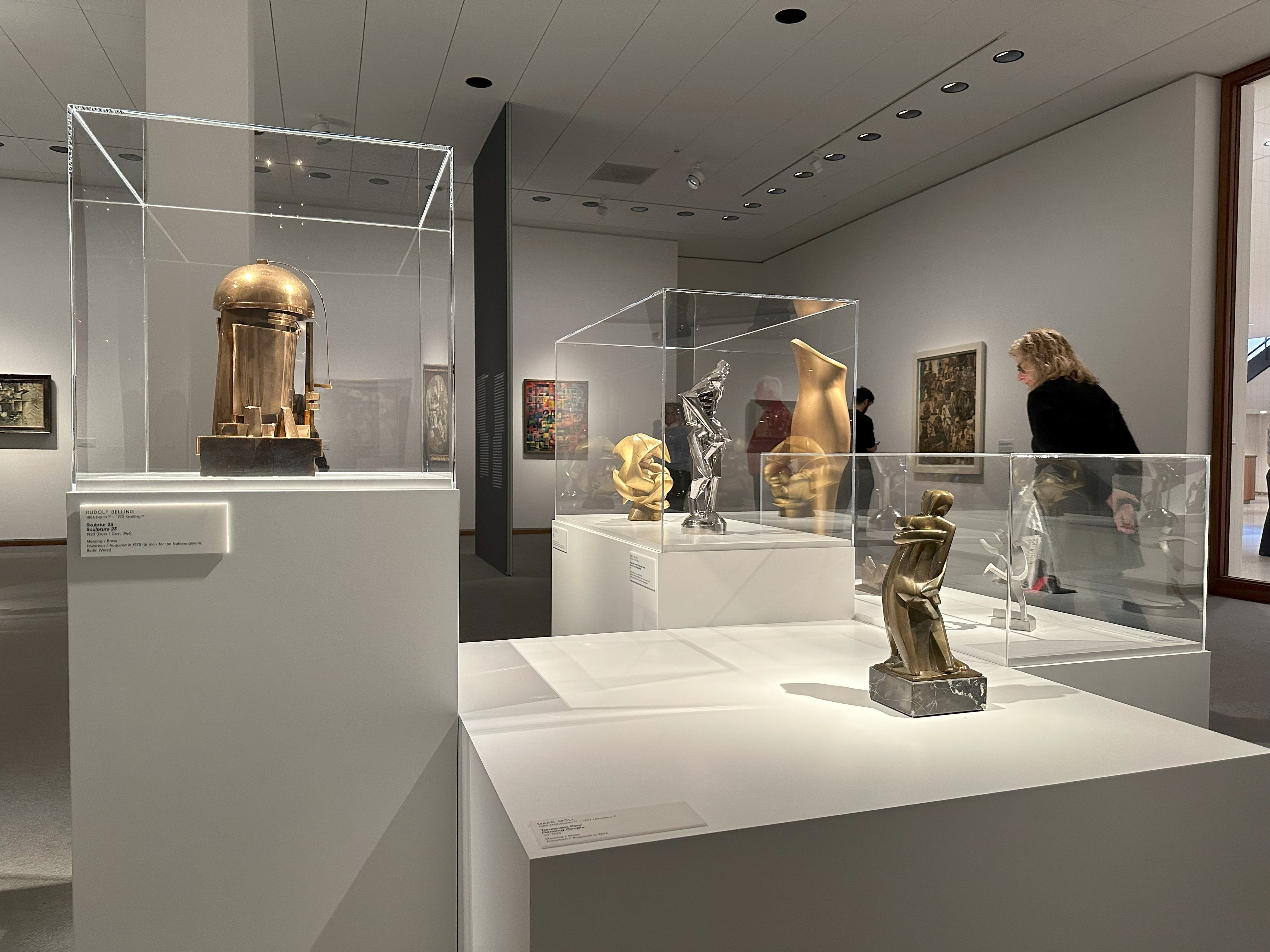
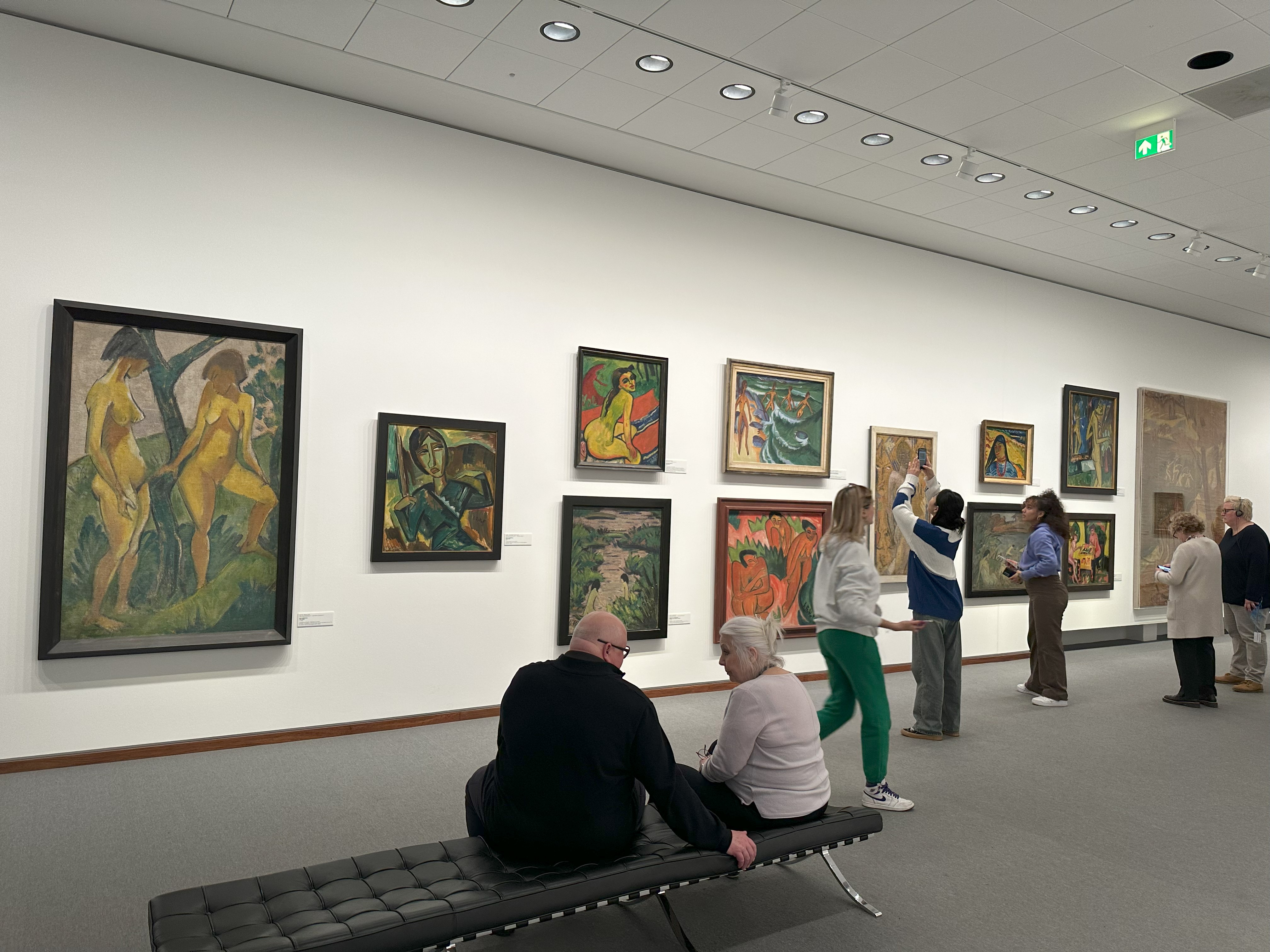
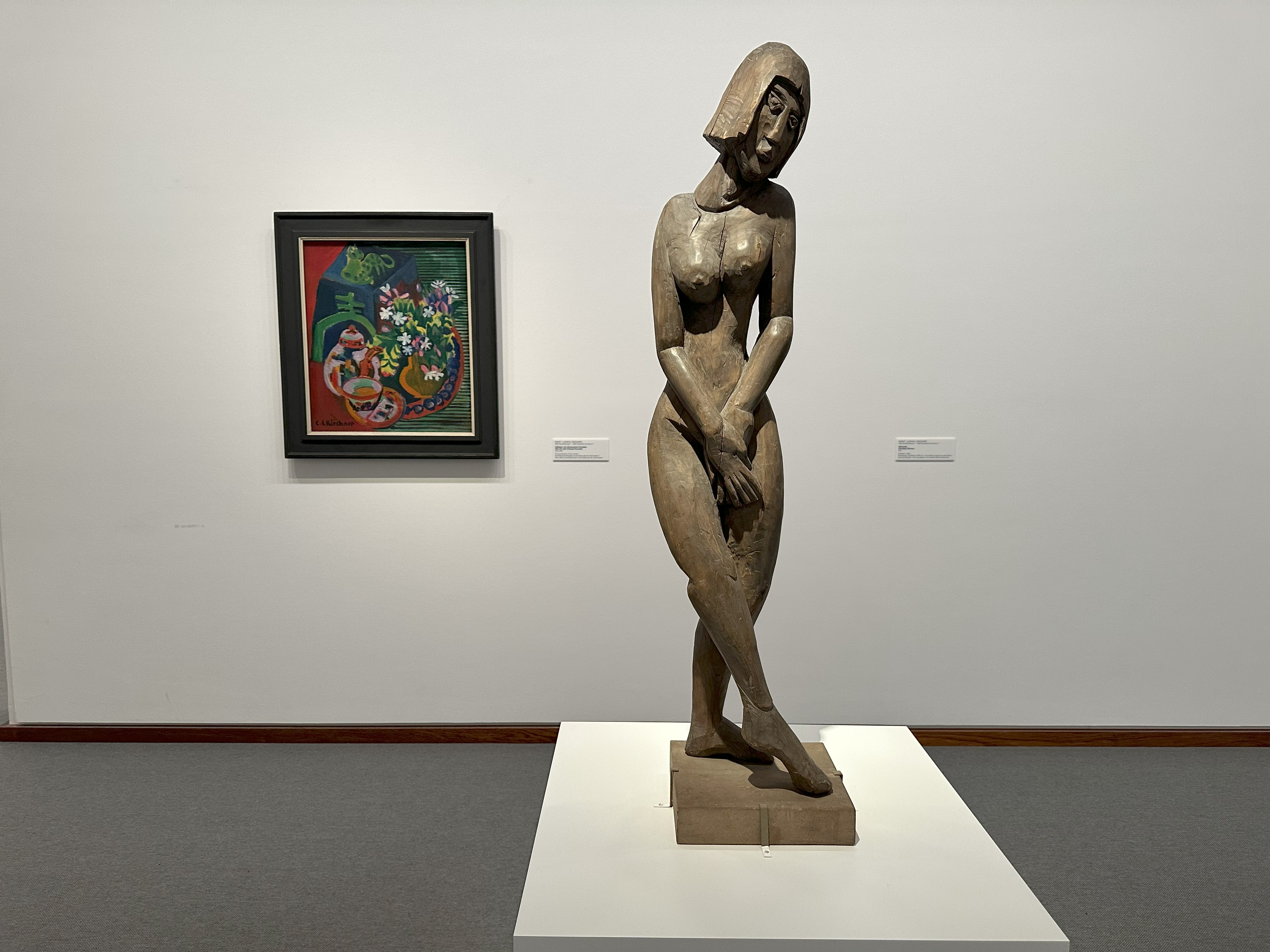
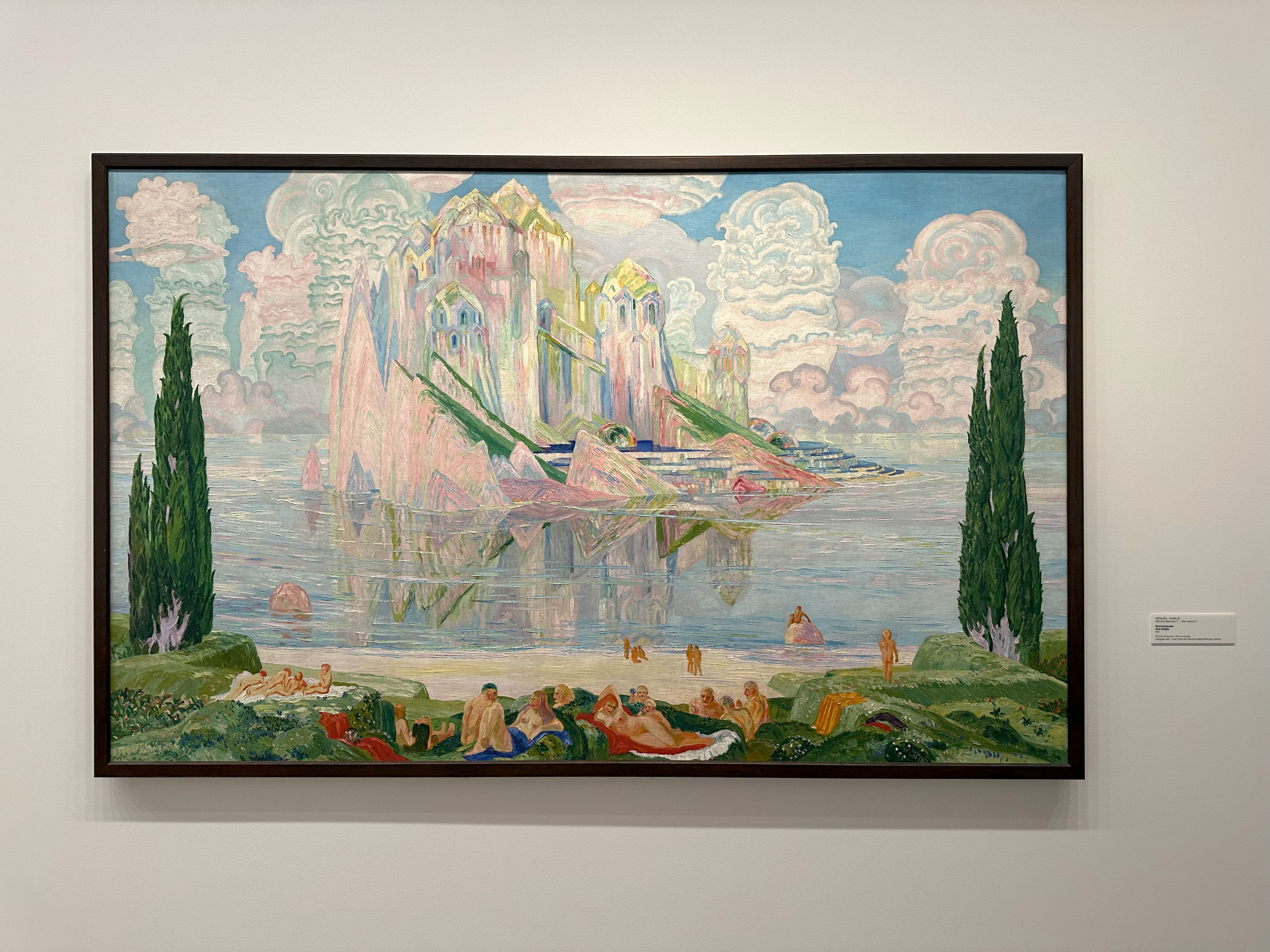
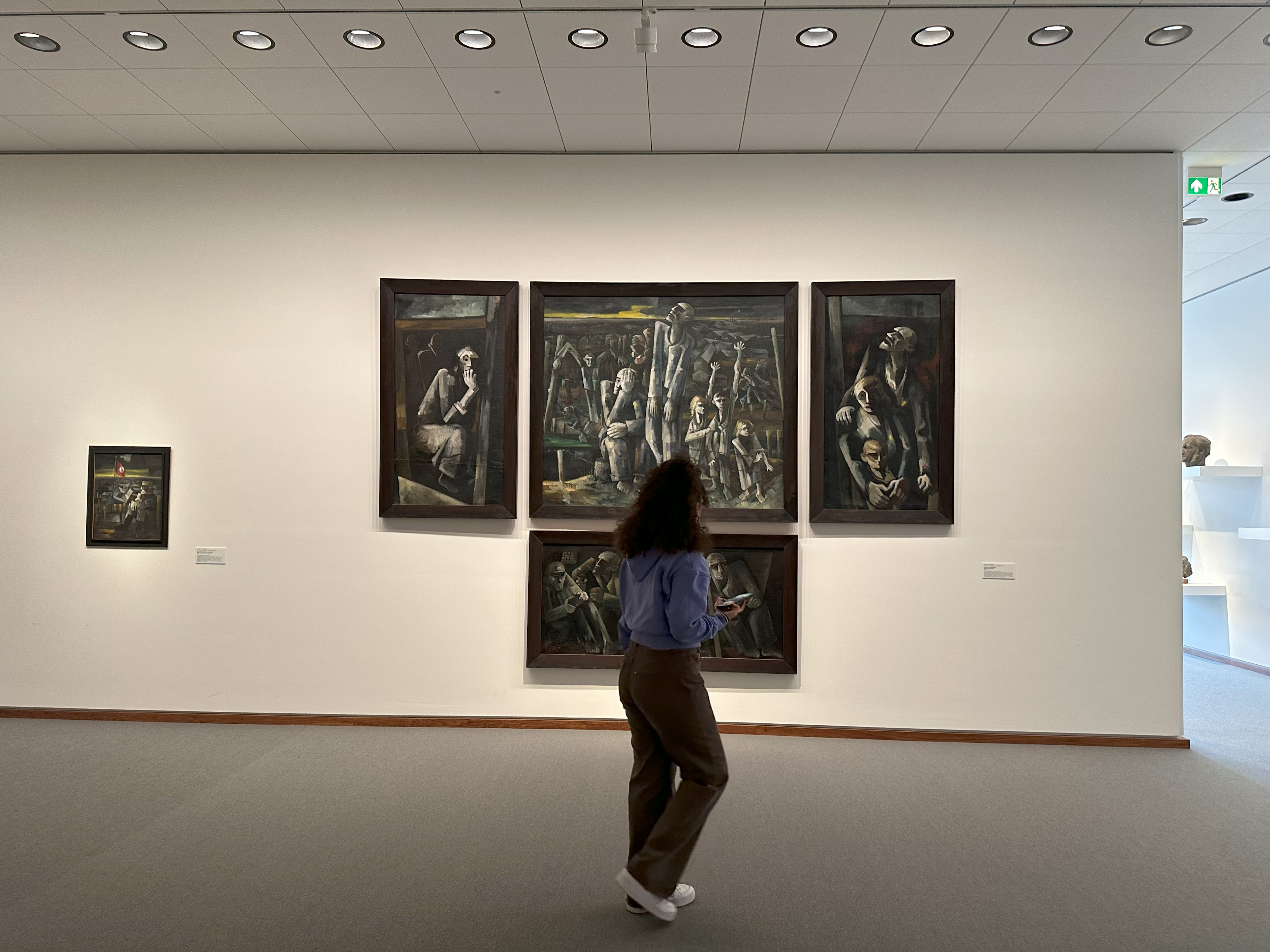
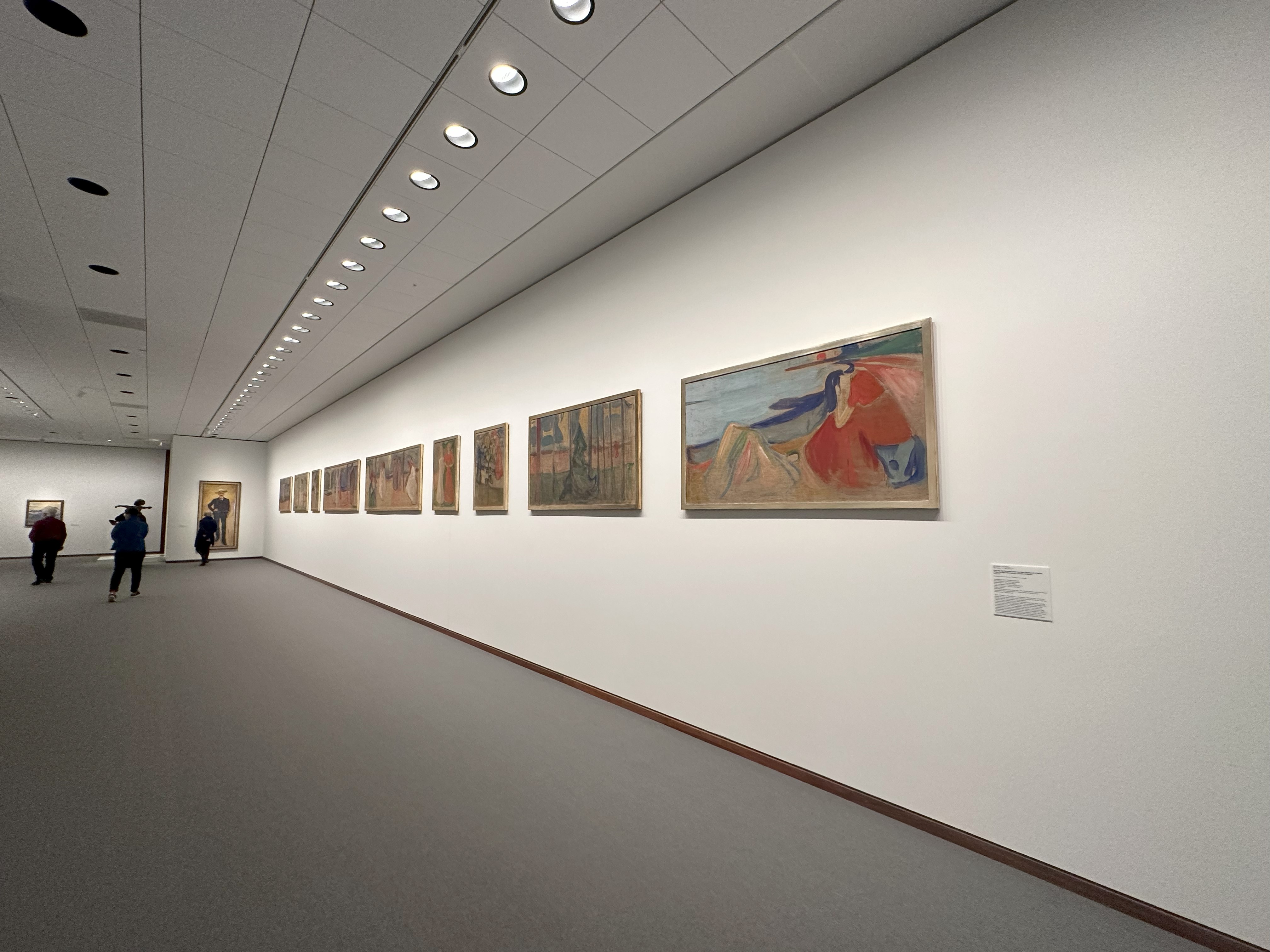
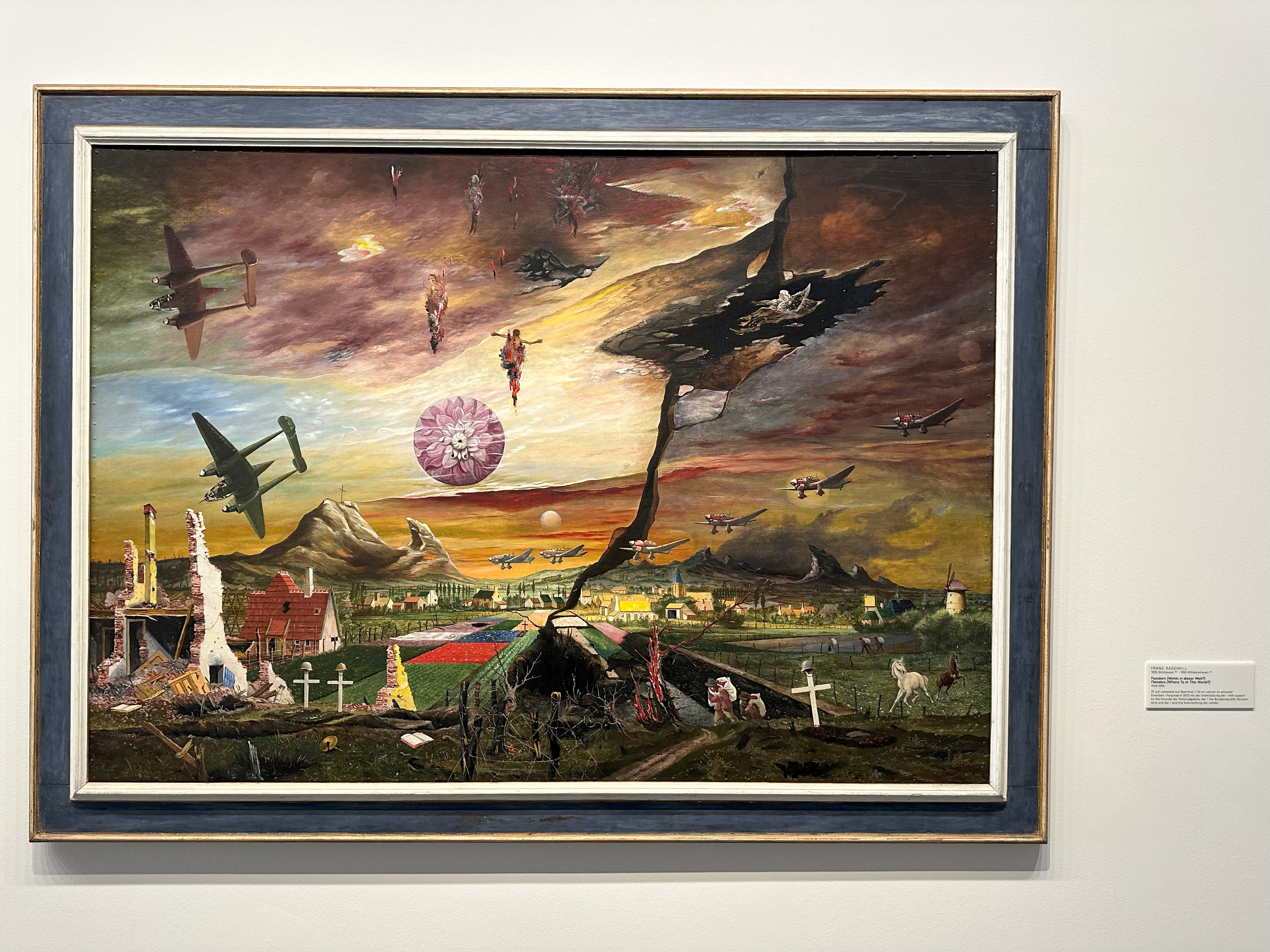
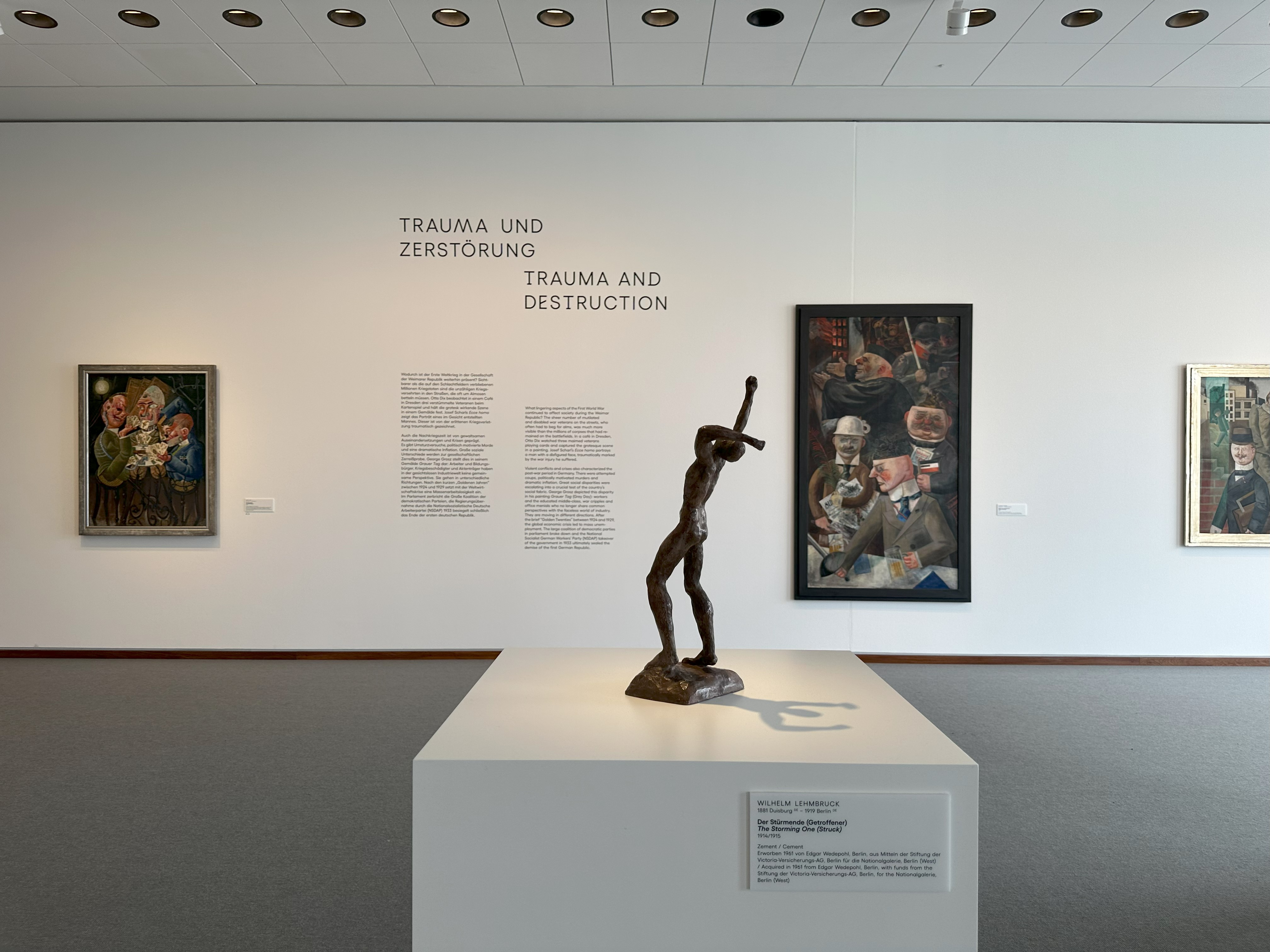
Downstairs, they viewed the collection with works from 1900 to 1945 is titled The Art of Society, featuring a variety of perspectives on the erratic transition of art styles, including Expressionism, Cubism, Surrealism, Dada and New Objectivity. The exhibition focused on social themes, such as the big city, the German Lebensreform (life and reform) movement, politics and propaganda, exile, and war. The exhibition presented about 250 works of Classical Modernism by artists including Otto Dix, Hannah Höch, Ernst Ludwig Kirchner, Lotte Laserstein and Renée Sintenis. Works by internationally active women artists have been included via loans, such as Hilma af Klint or Irma Stern. Two films by artists Julian Rosefeldt and Javier Téllez provided a contemporary critique of modernism.
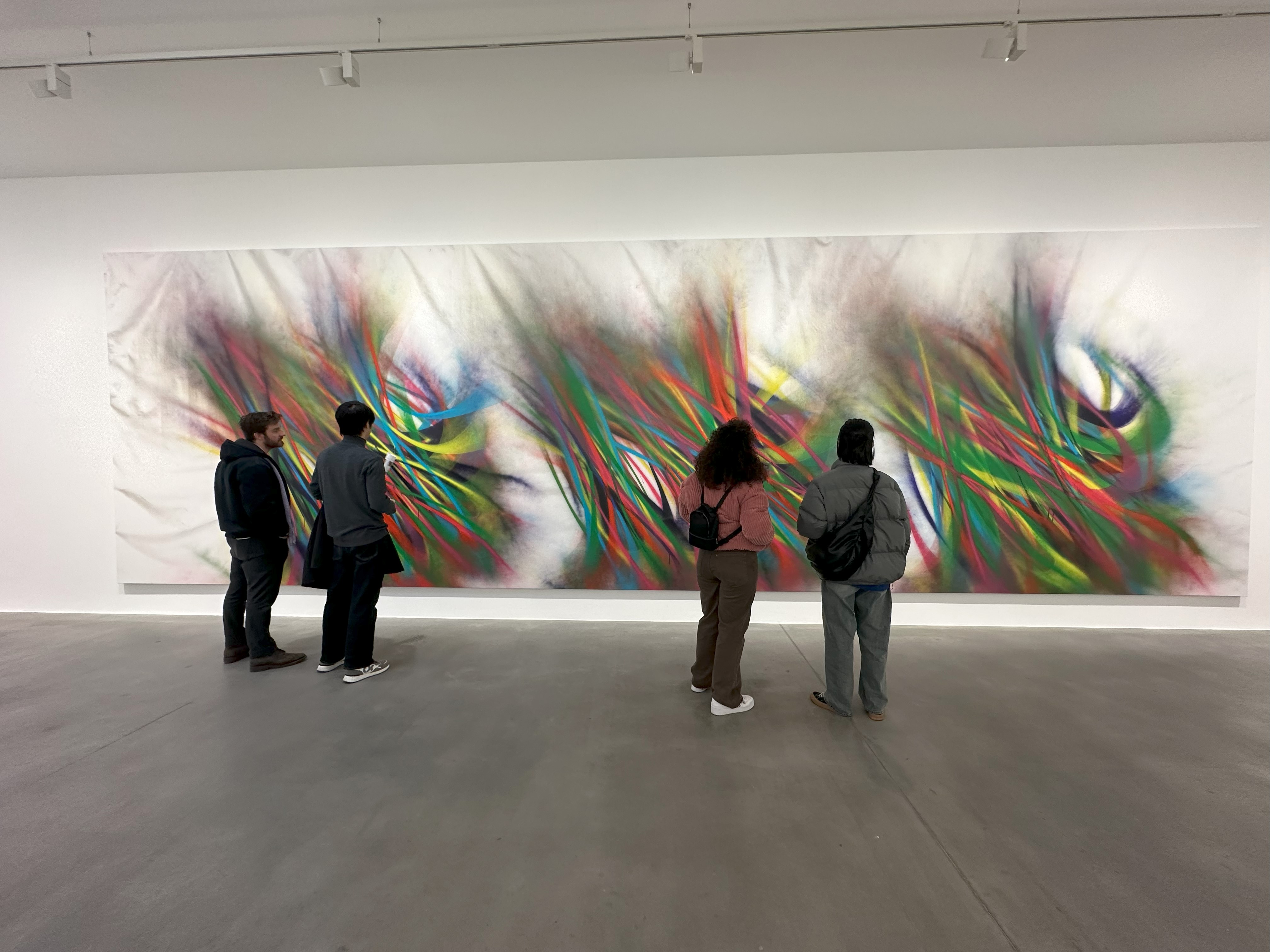
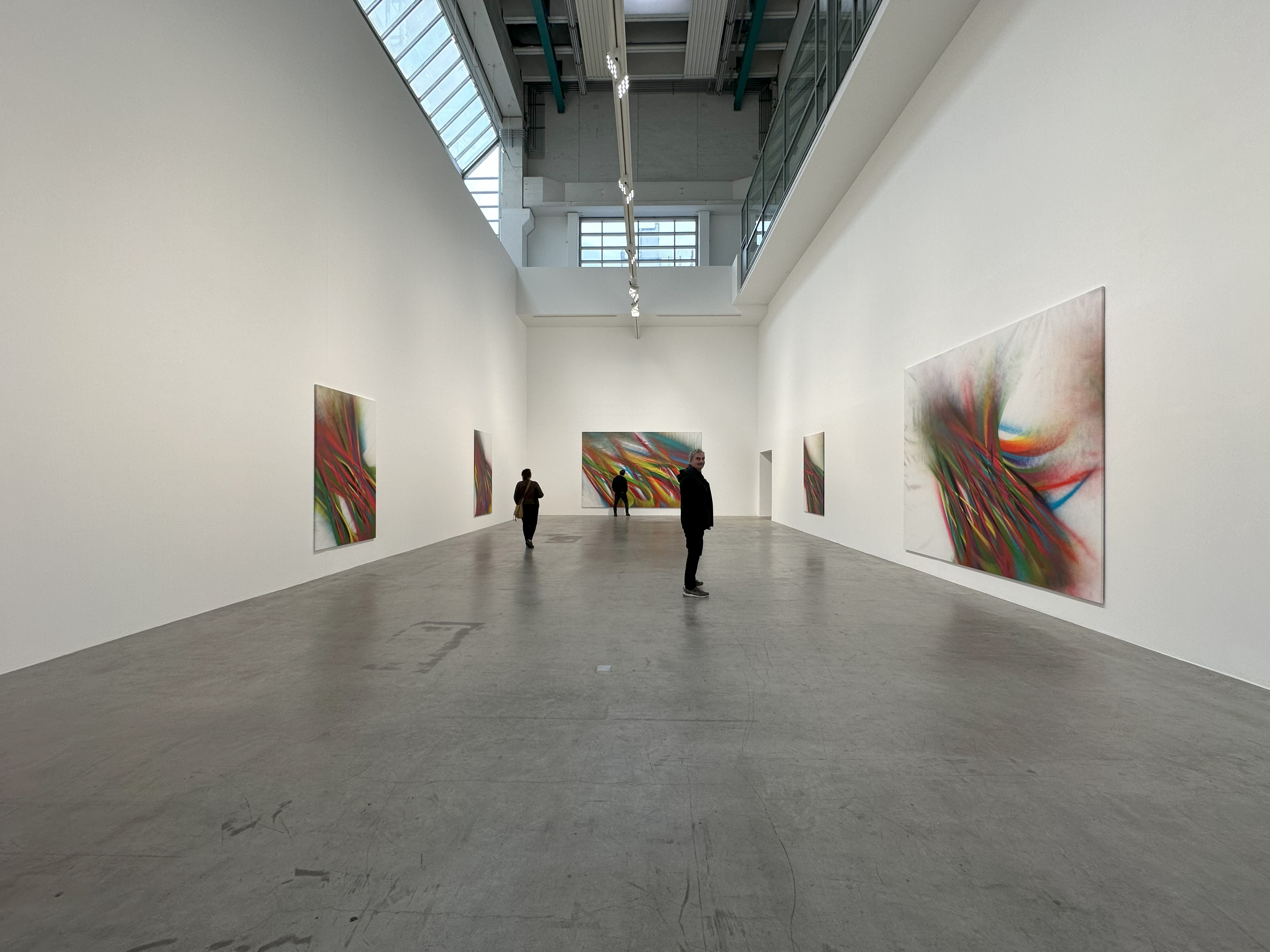
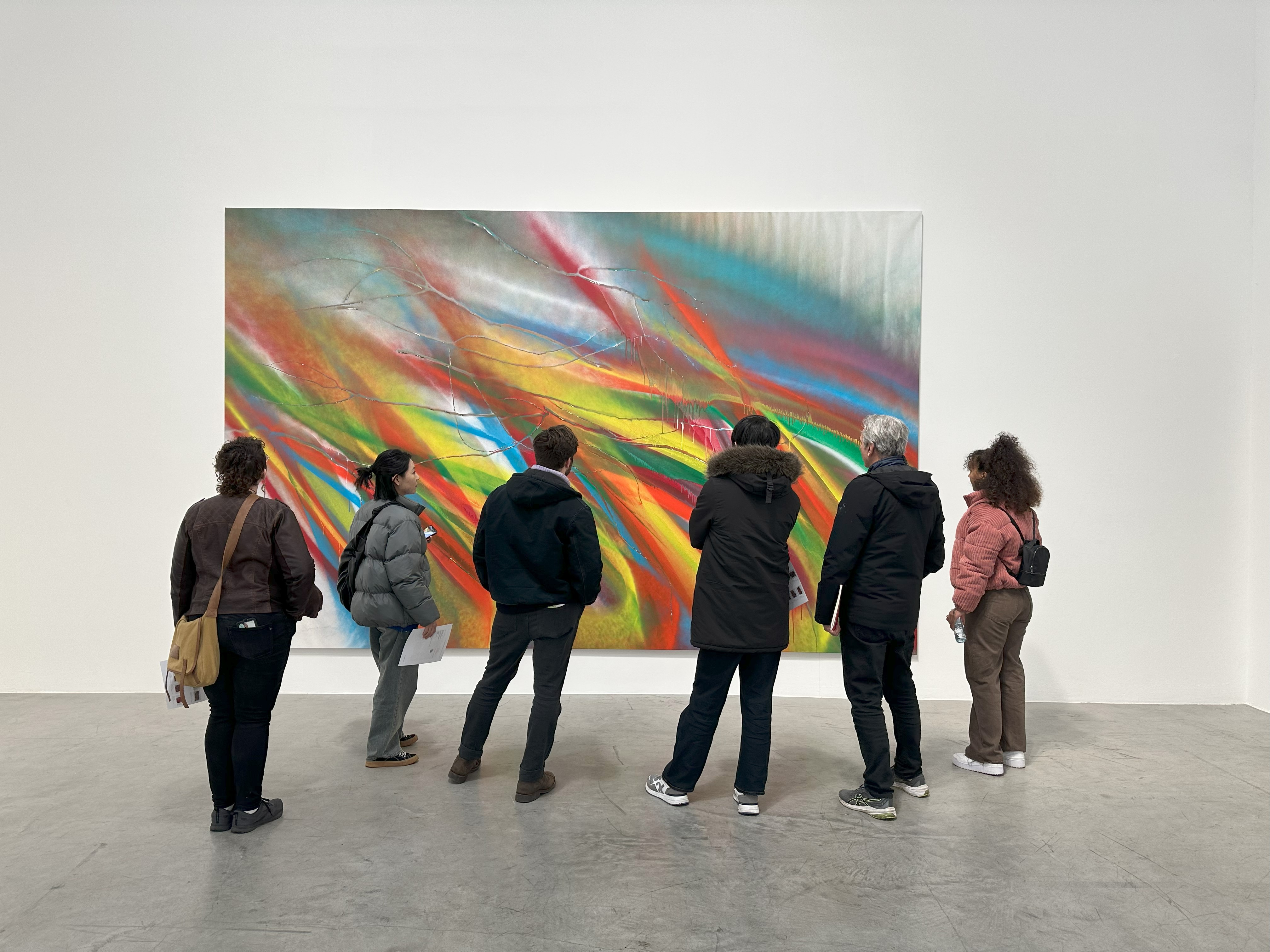
In the afternoon, they took a tour of Katharina Grosse’s completely new body of work on canvas from the past year, Spectrum without Traces, at Galerie Max Hetzler. She limited her palette to six colors, which were sprayed unmixed onto the canvases. Multiple paintings were made simultaneously and belong to the same family, but the way the colors mingle differed per painting.
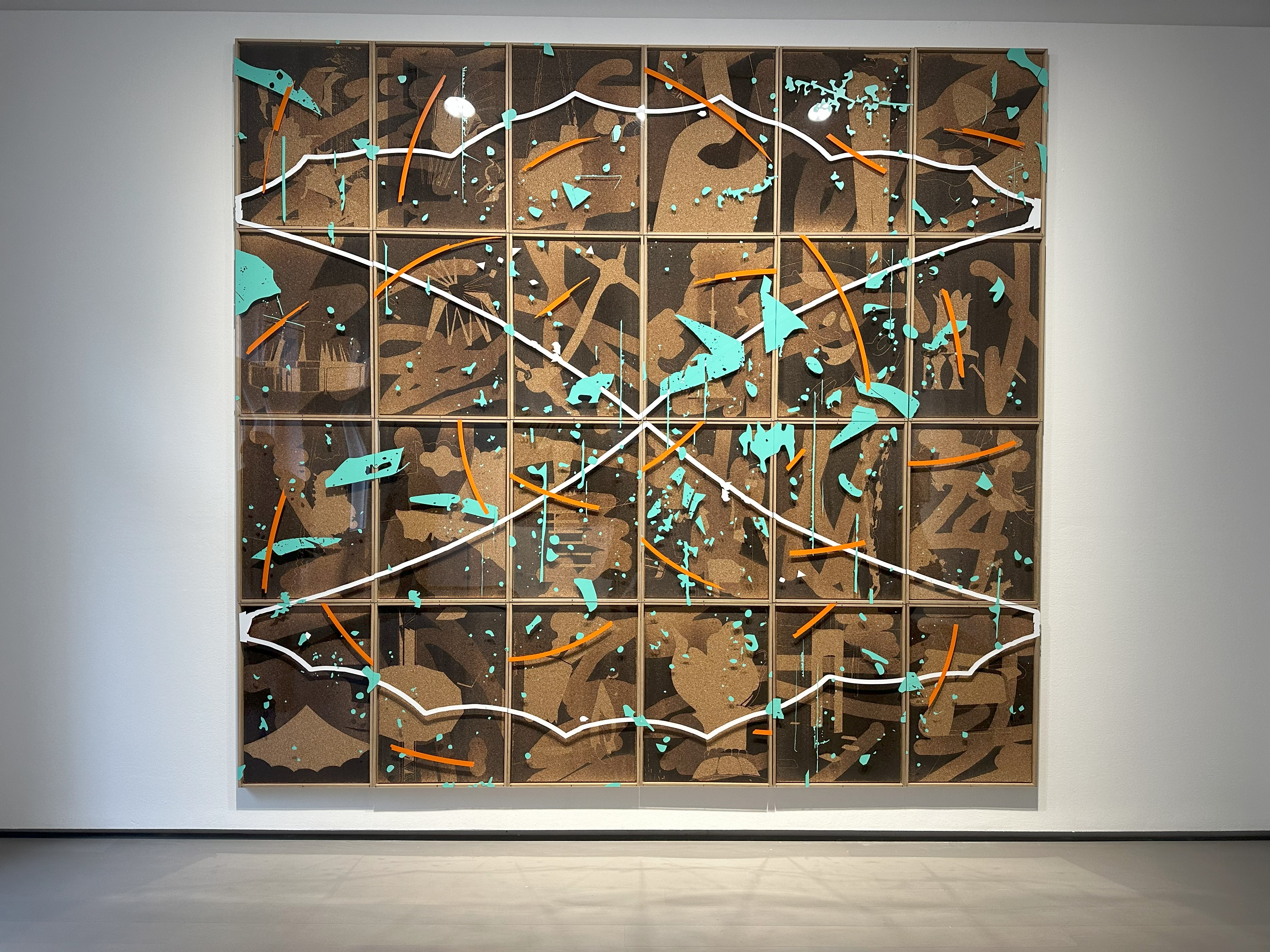
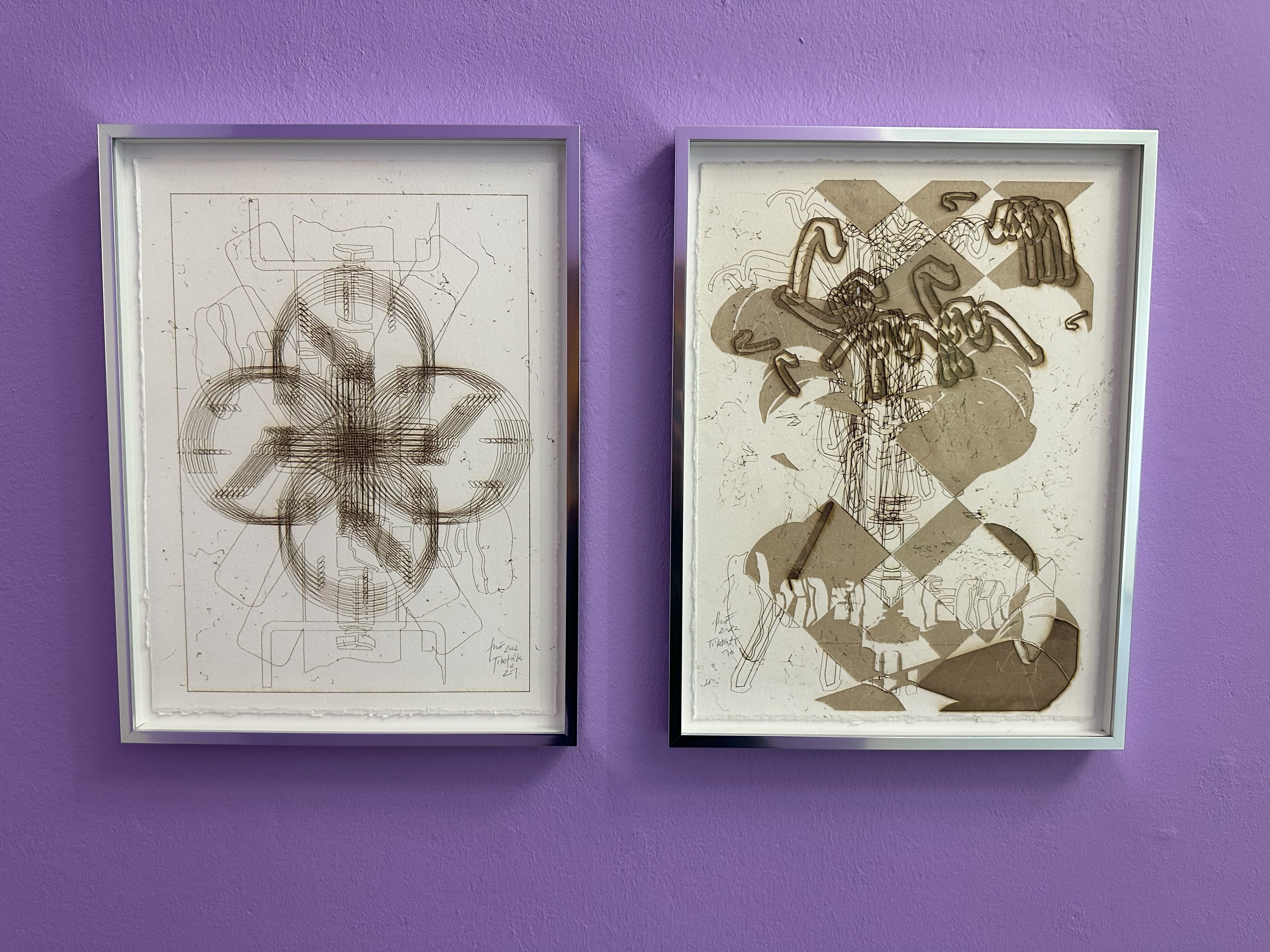
Students also took a tour through the Reiter Galleries and viewed Ecstatic Echoes, featuring contemporary artists, Kyra Tabea Balderer and Ellen Möckel. Media translation processes are essential means of their work and both are interested in the interrelations between creatively intended procedures and (sometimes only limited controllable) influences of reproduction technology or machinery. From this point on, however, two very different works develop, which the joint show sets in relation to each other.
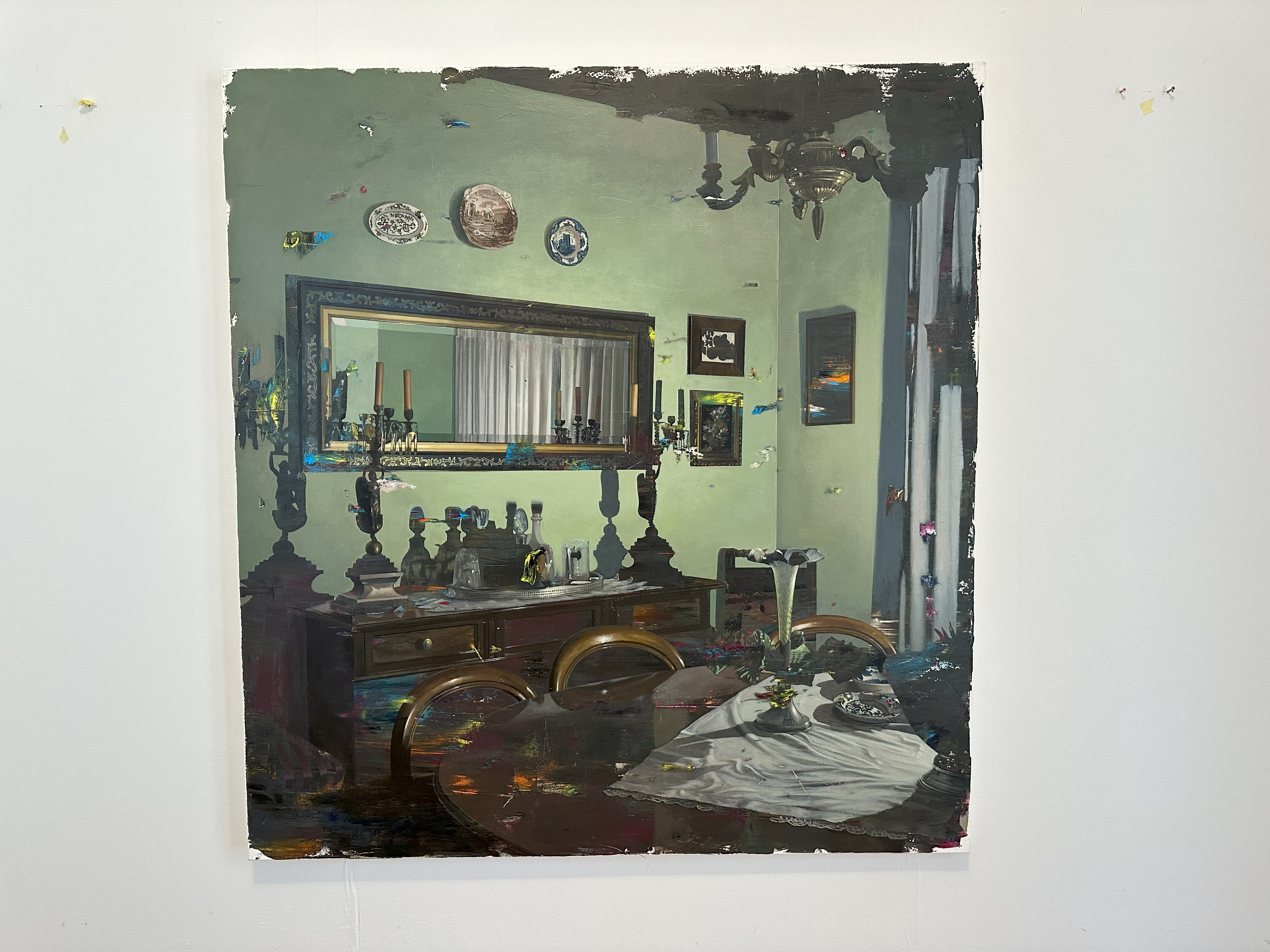
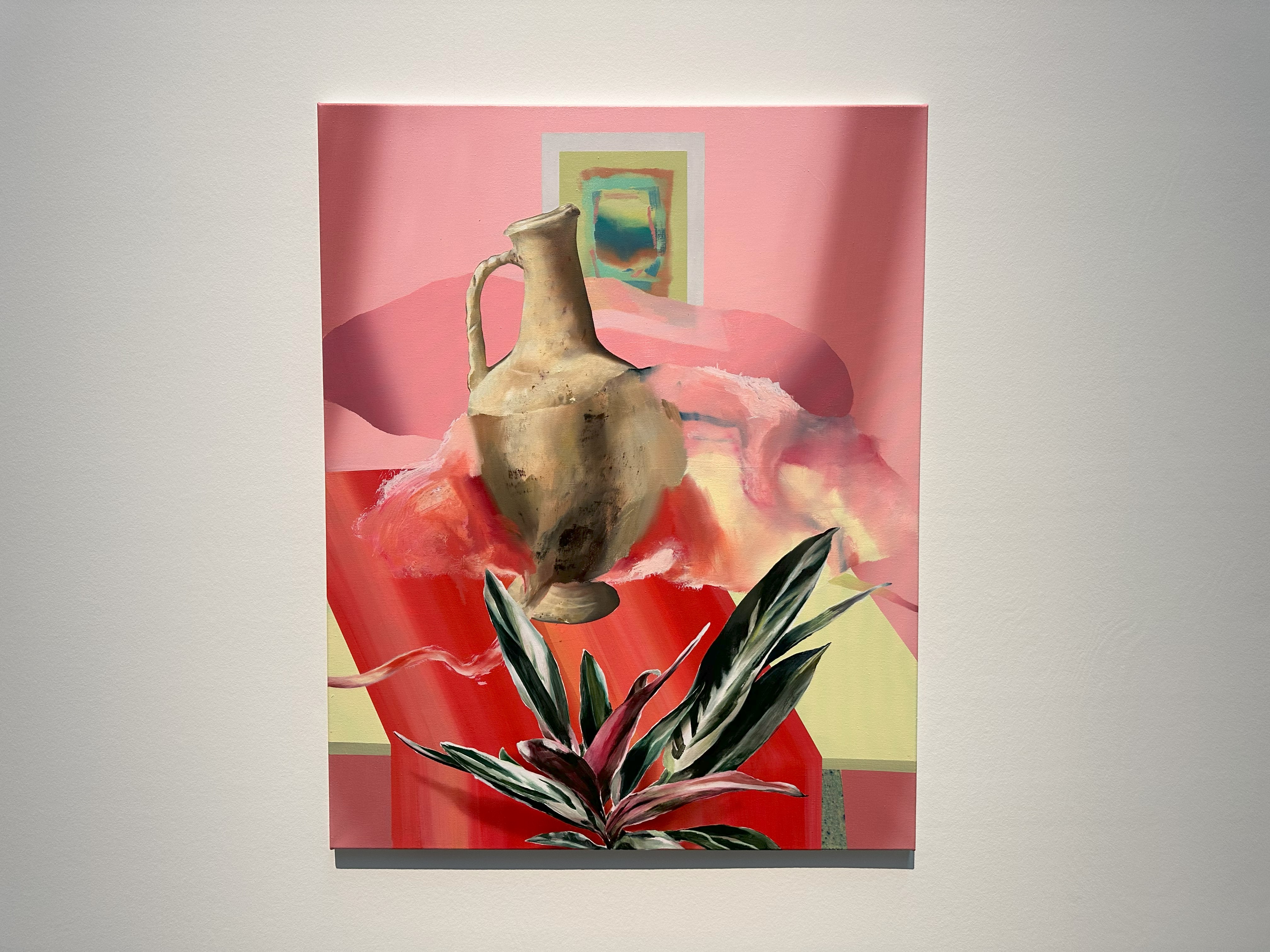
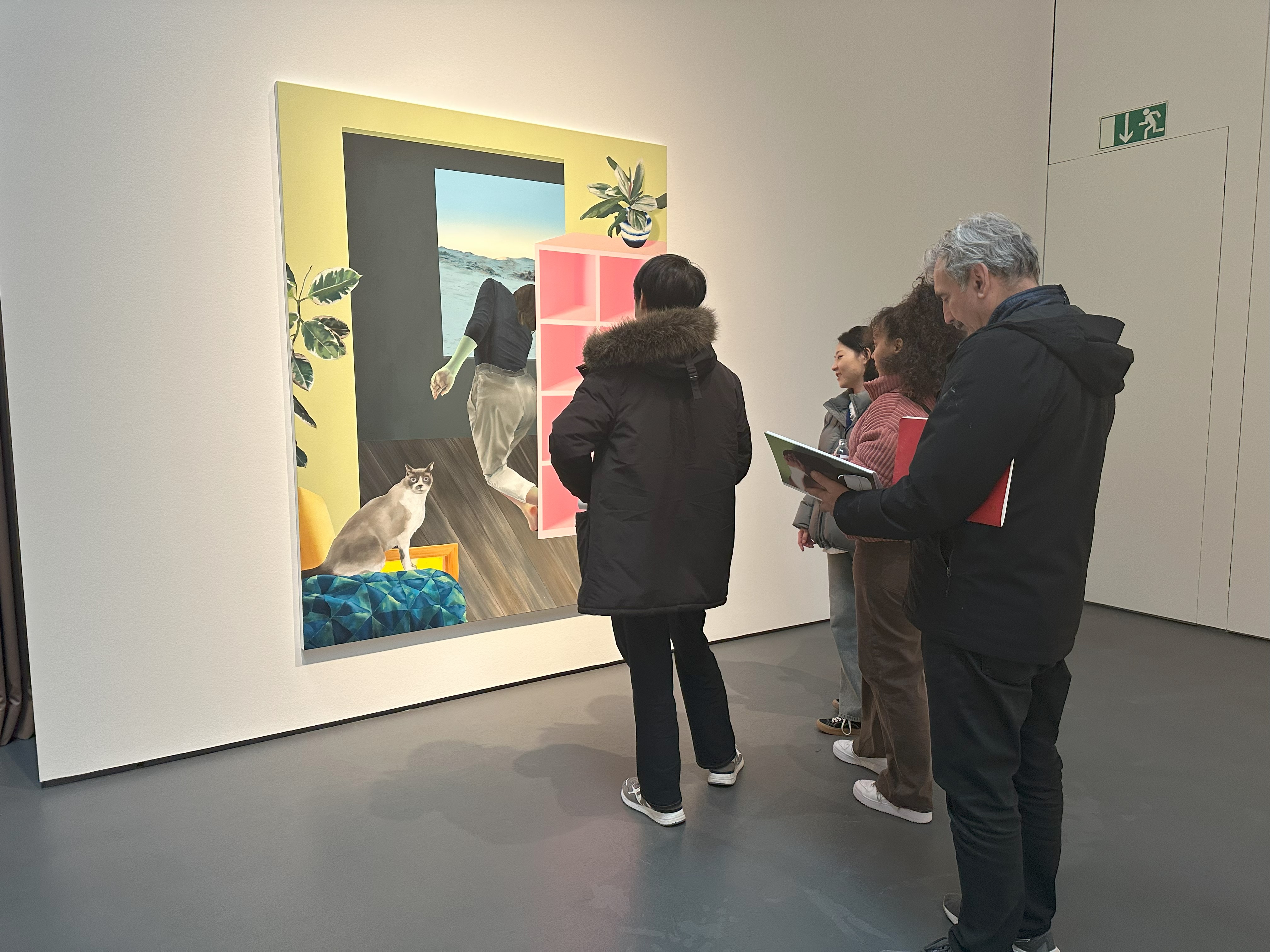
To wrap up the day, grads visited Galerie Judin to see the exhibition, My Eyes See Only What’s Not in Front of Me, by artist Ellen Akimoto. Akimoto’s paintings mostly show interiors and people. Mysterious narratives unfold in them, eluding straightforward readings and always remaining enigmatic. It comes as no surprise that the artist draws on photoshopped collages for the larger compositions.
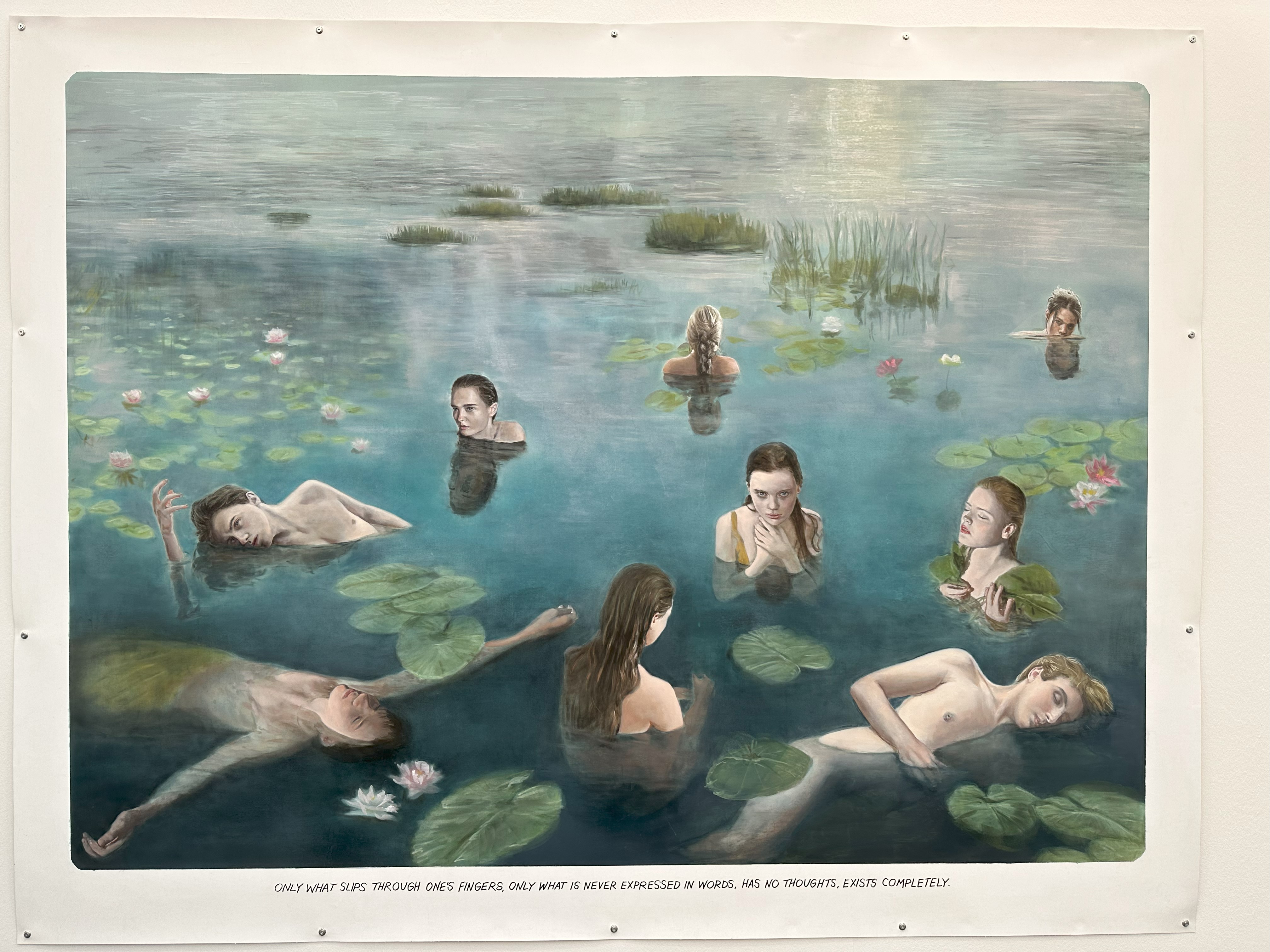
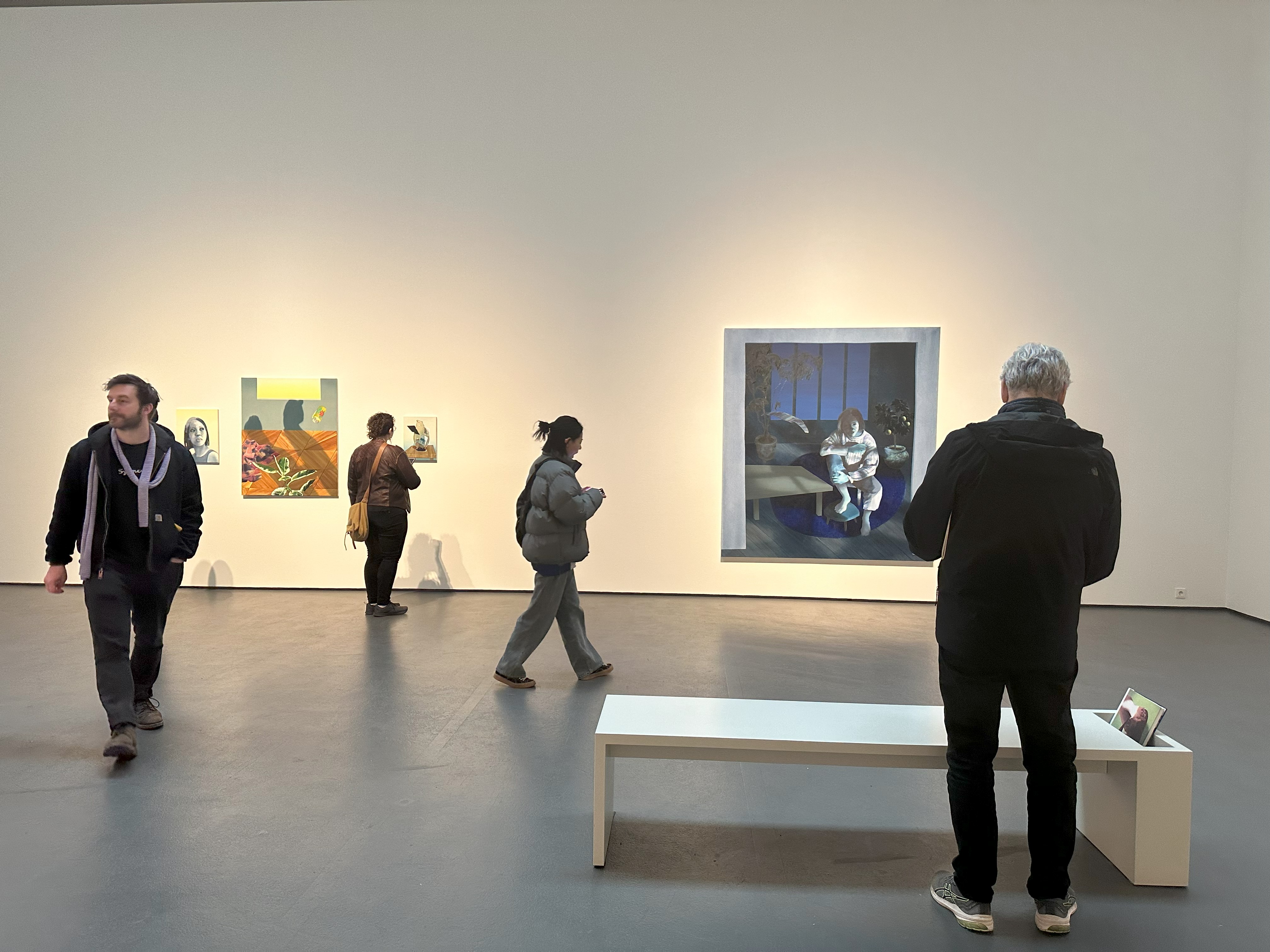
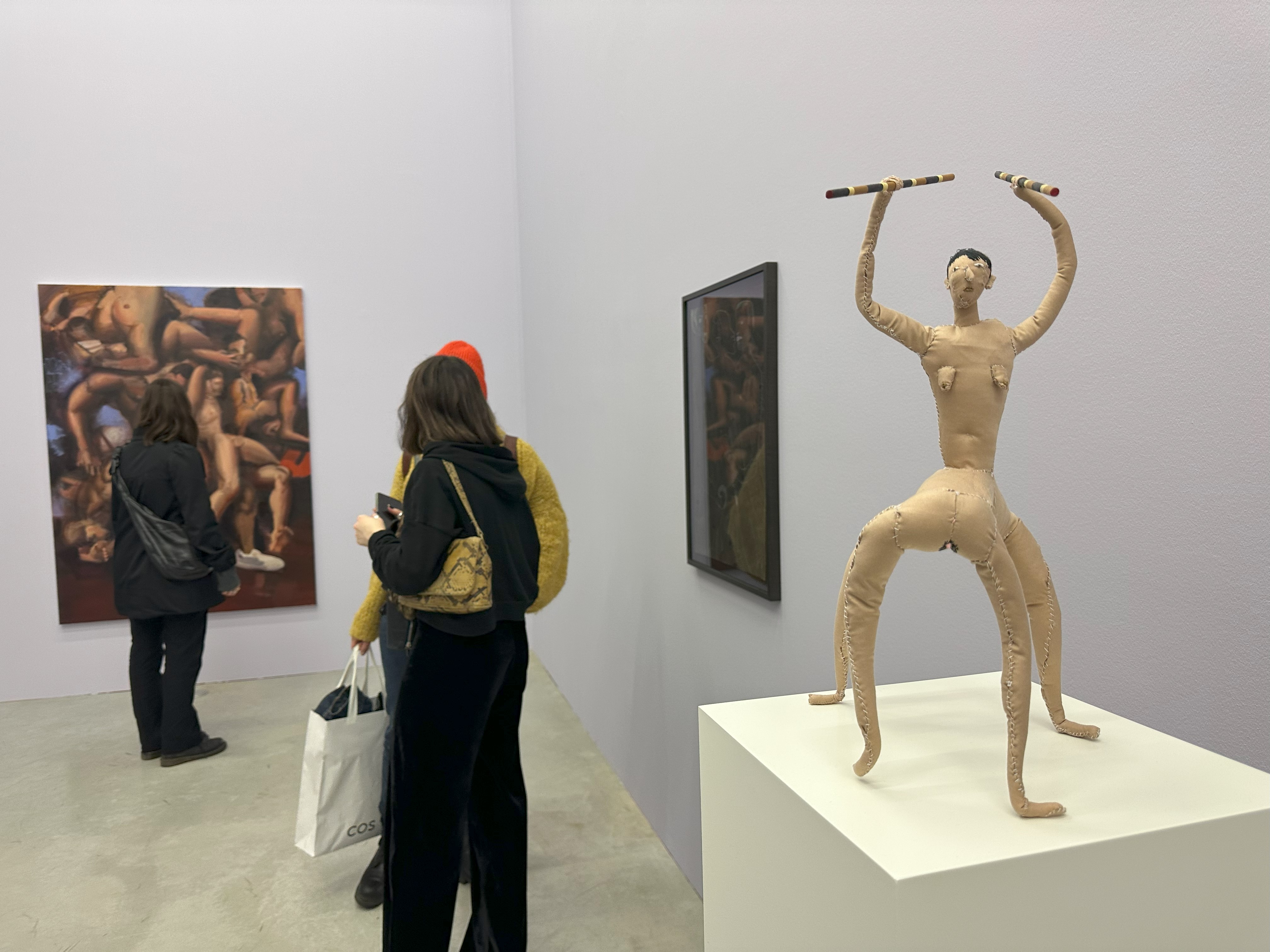
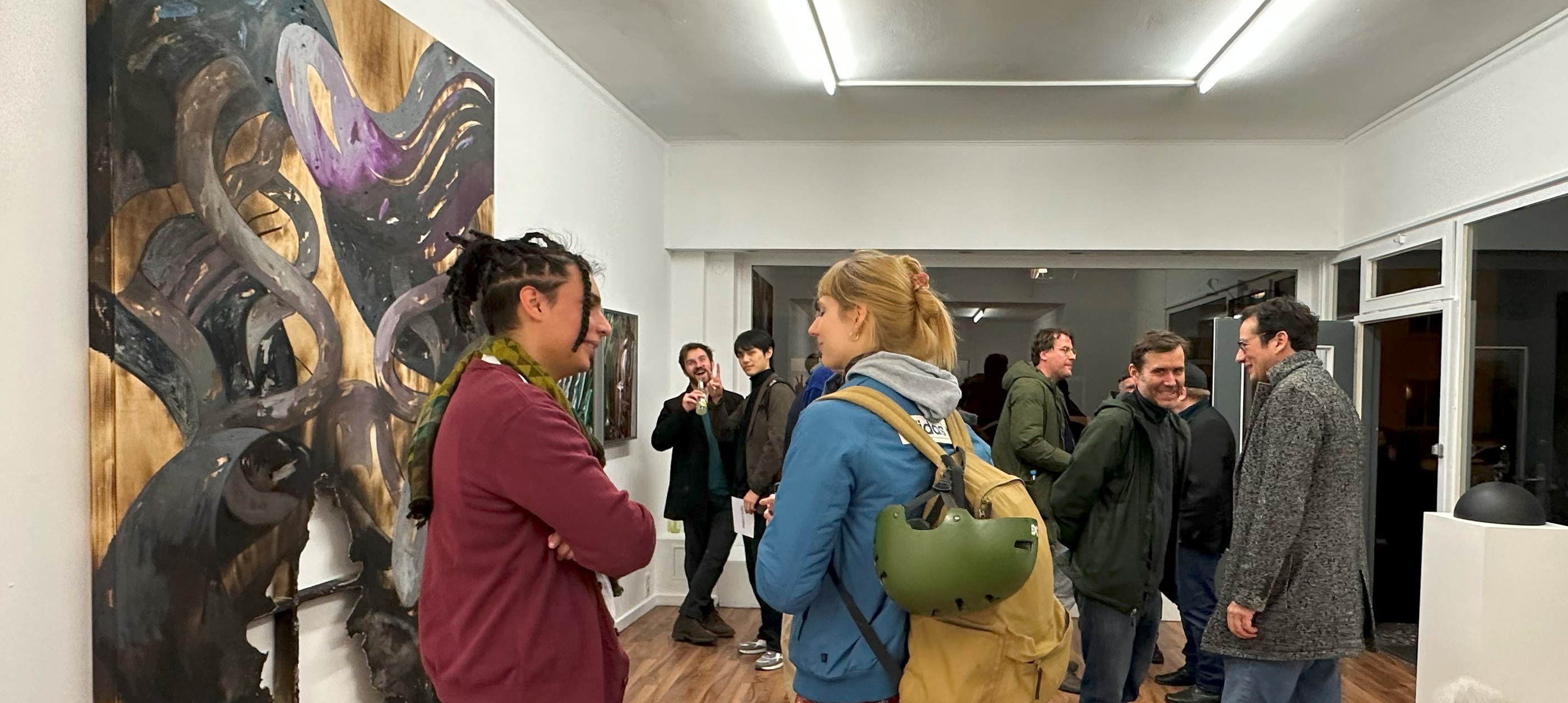
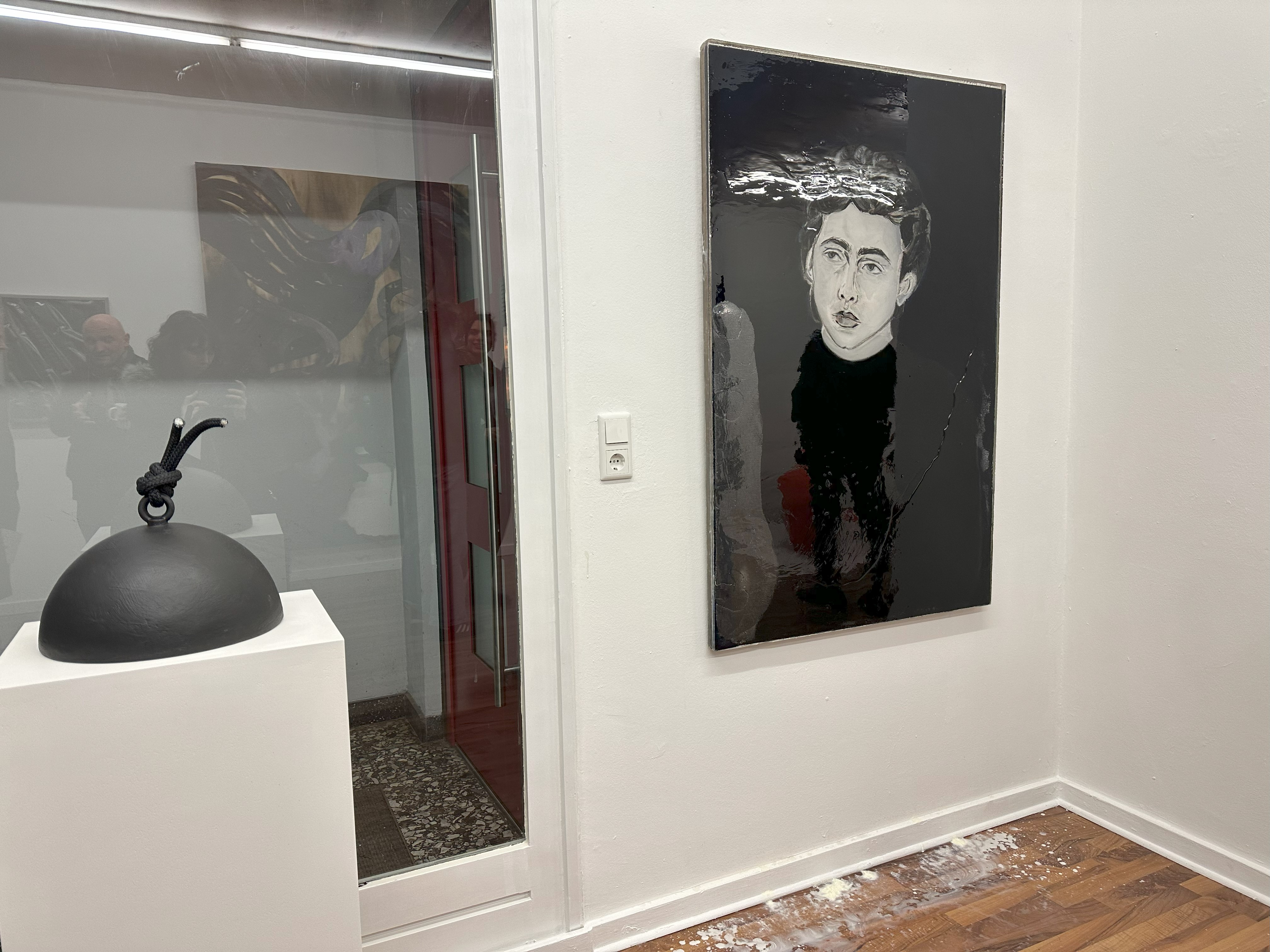
Grads returned to the Philara Collection in Düsseldorf for the big opening of “I’ve Only Got Eyes on You”, featuring many contemporary artists acquired in the last two years.
The artists featured used collage, painting, sculpture and photography for figurative representations that address both personal and wider societal issues. With and within the works, they explored and extended definitions of the portraits. The focus of the artists in the exhibition ranged across themes of visibility and representation, and discourses on decoloniality and post-humanity, meeting these challenges with images that seek to make our reality more bearable.
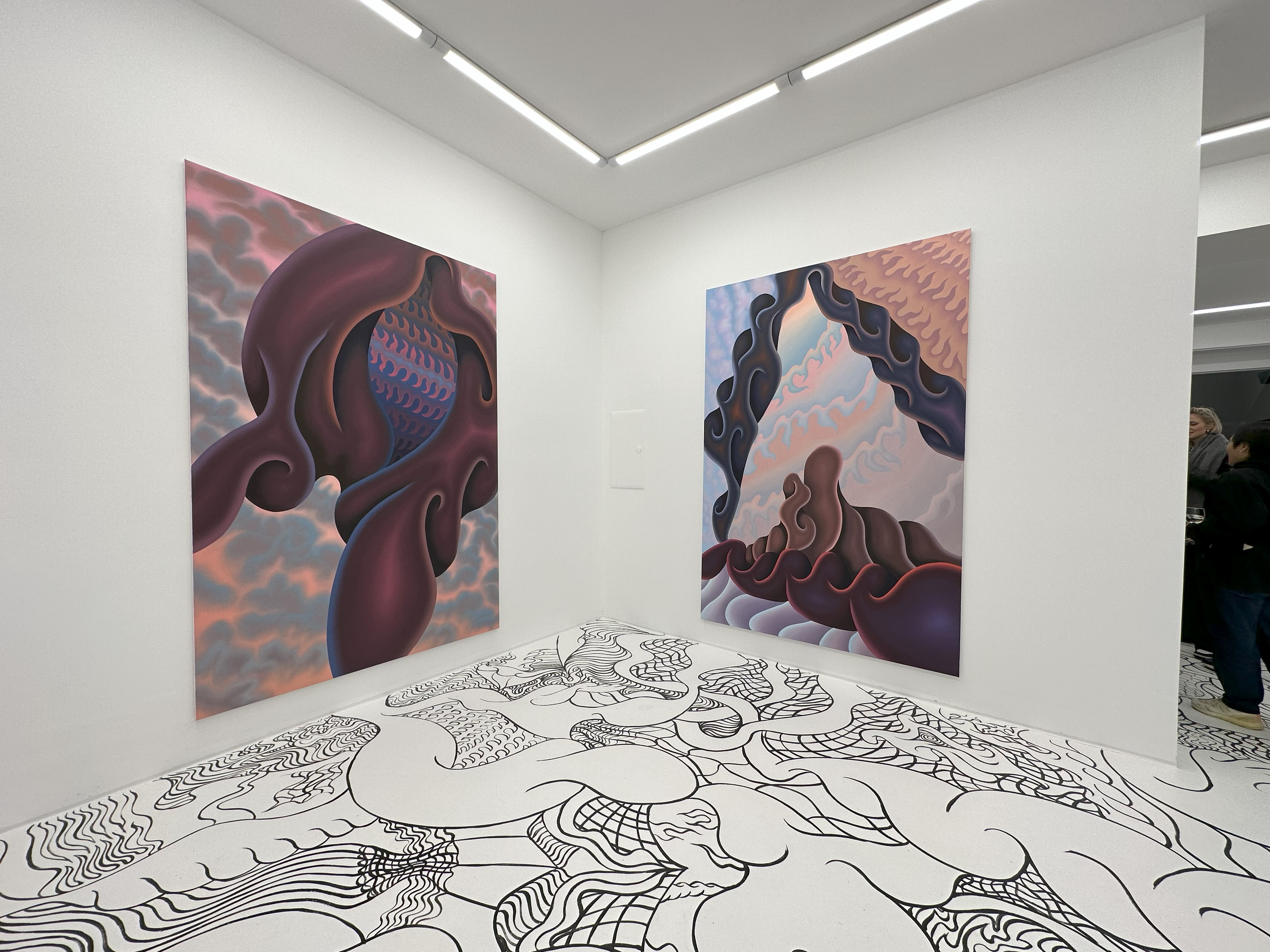
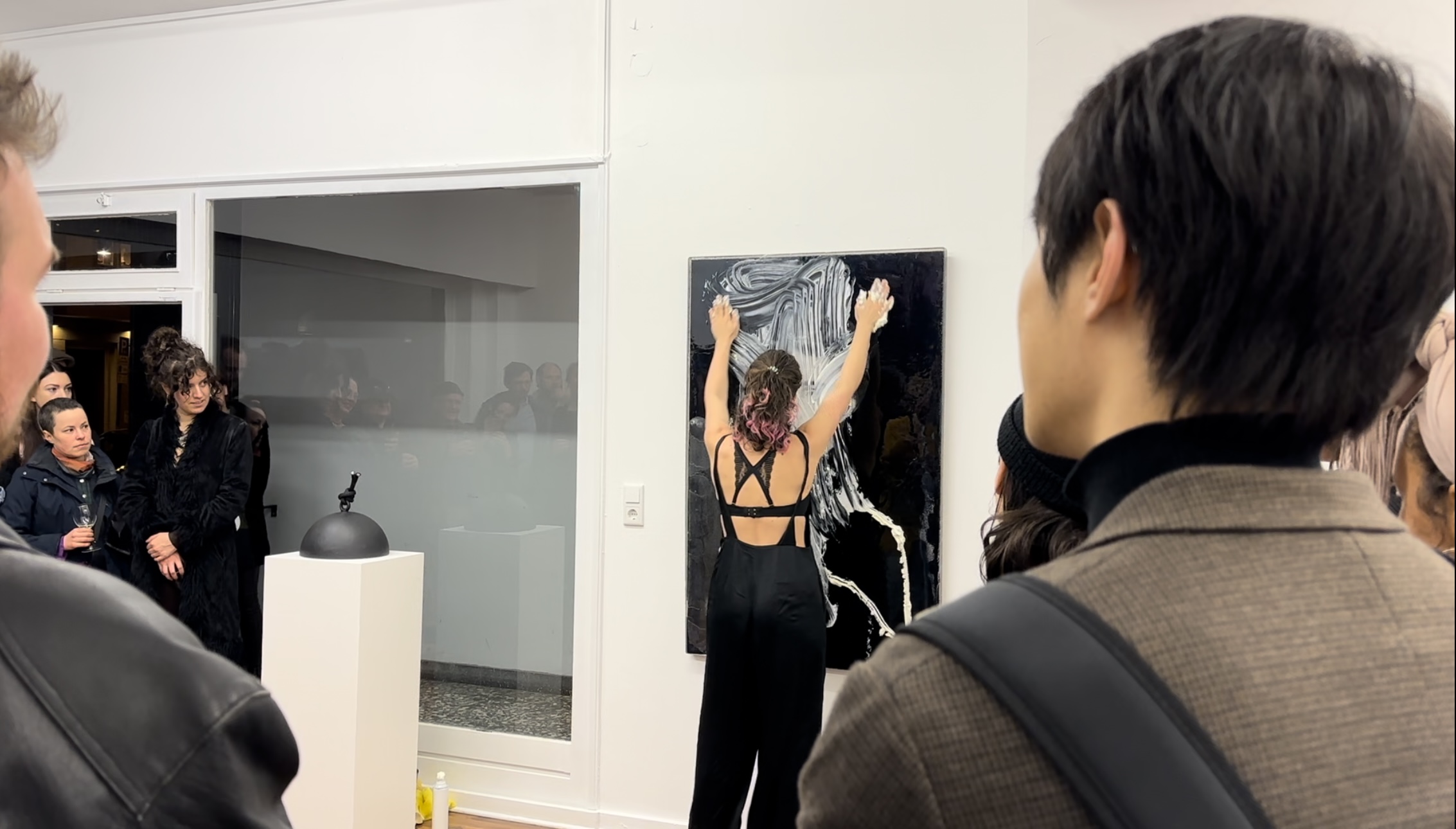
Grads visited the opening of contemporary artist Antonia Freisburger’s “Trust Issues” at Galerie Droste in Düsseldorf.
Freisburger creates surreal visual worlds that emanate from her fascination with everything unknown in our universe. With painterly condensations of multiple layers, free-flowing surfaces, and colorful, luminous, expanding forms, the artist attempts to approach the unspeakable with her sensitivity to the environment. Immersing viewer’s in a reality that seems fictitious, independent of time and place.
In her first solo exhibition at Galerie Droste, the new series of works expresses Freisburger’s identity as an external manifestation of herself. Based on the cosmos as the origin of inspiration, the focus shifted to the constant expansion of ego consciousness, the body, sexuality. All this is preceded by emotional ambivalence, a fear of one’s own finiteness that is only too readily repressed. The vague longing for infinity and the simultaneous awe and sadness that the dimensions of the universe will probably never be tangible, even if we try to make the unspeakable sayable and to derive our own, superior reality, a “super-reality”.
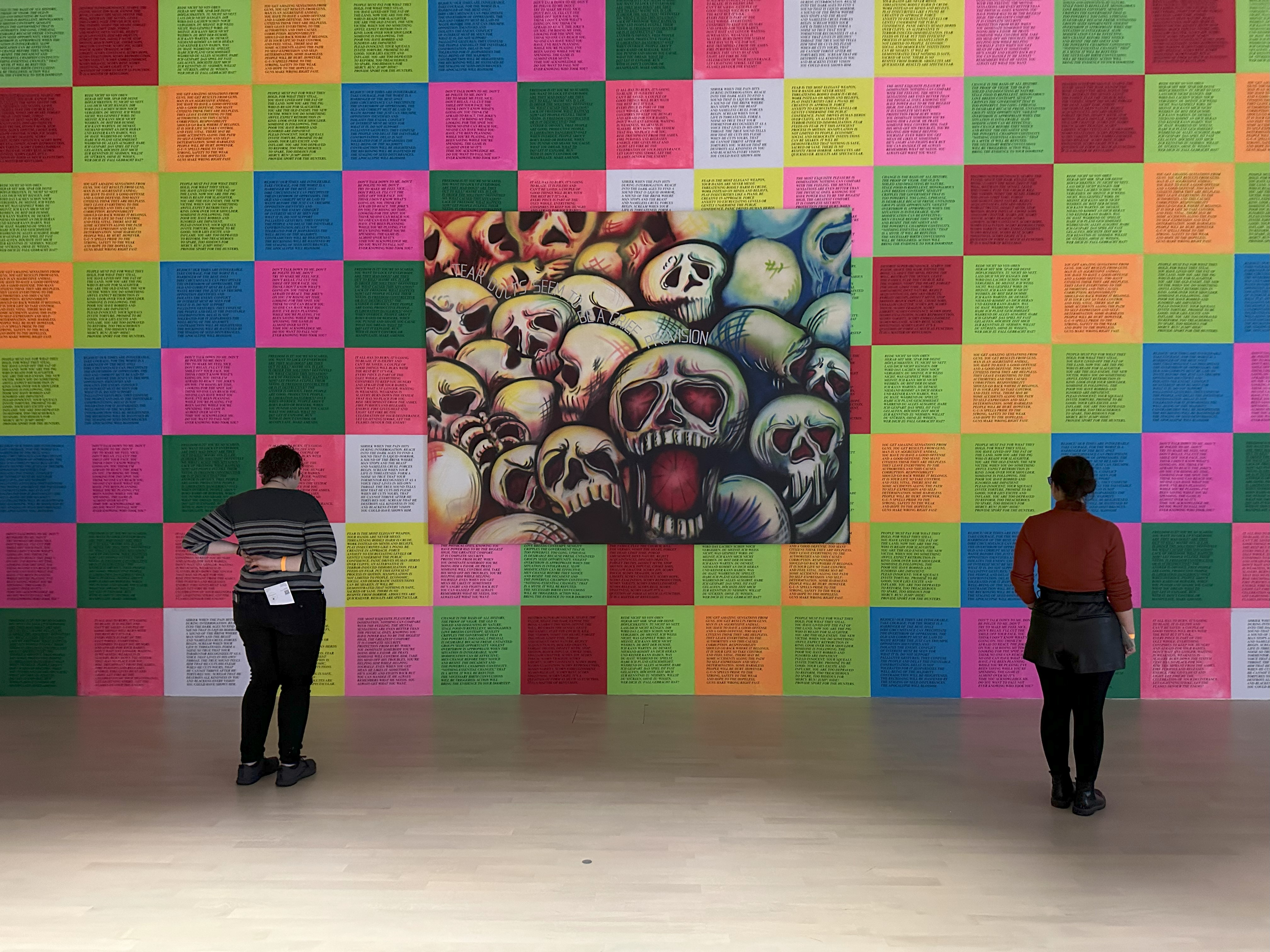
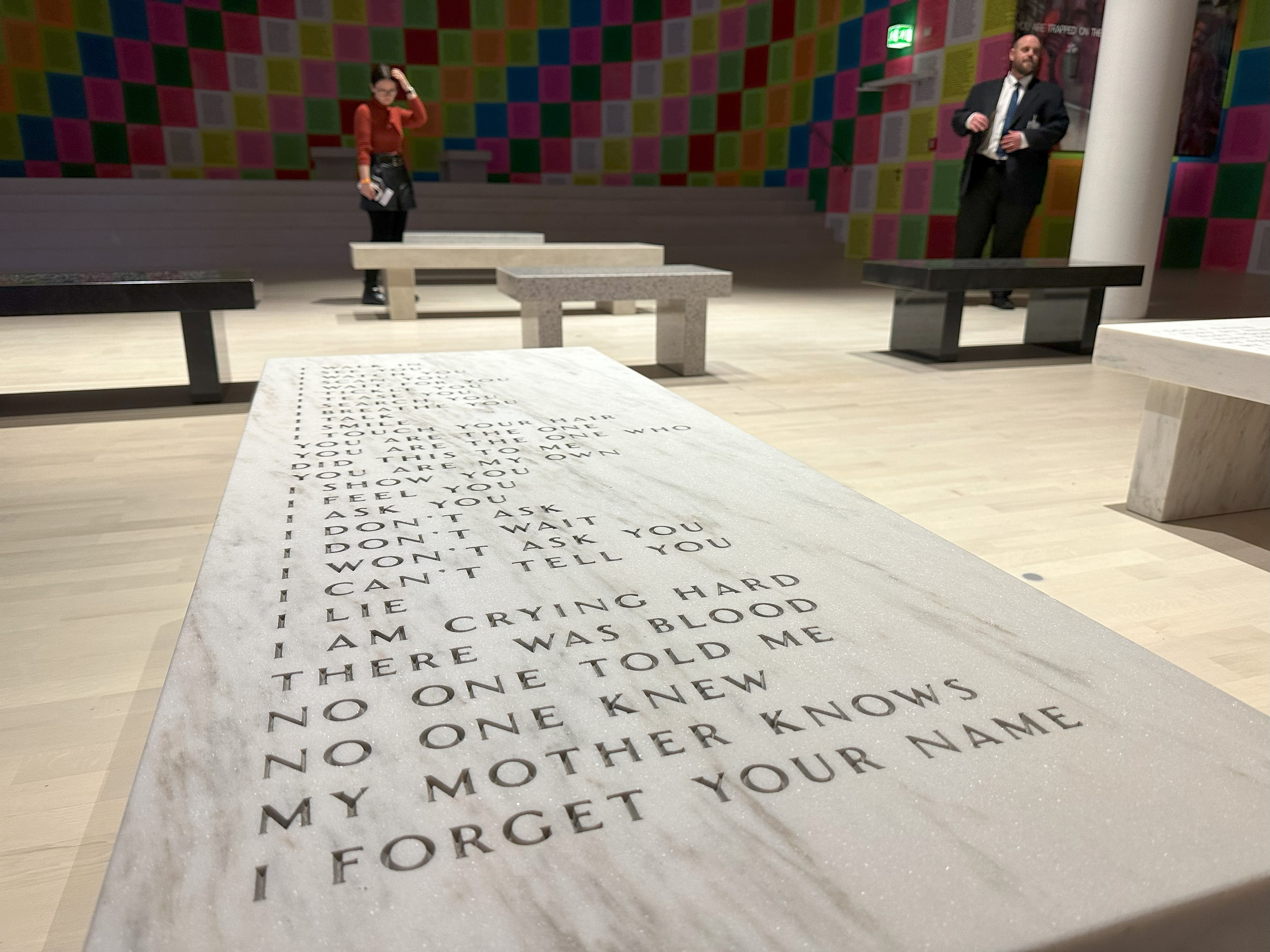
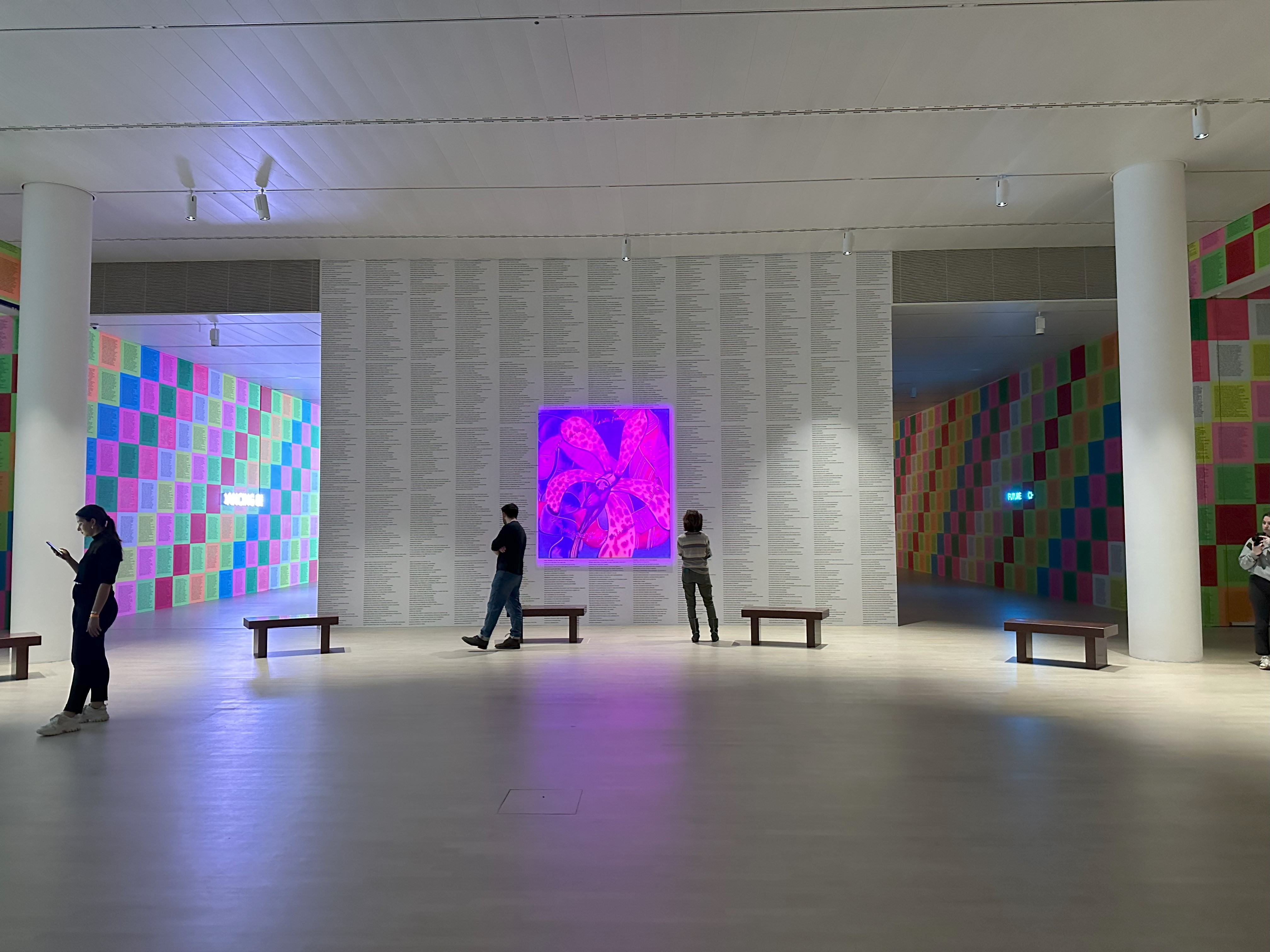
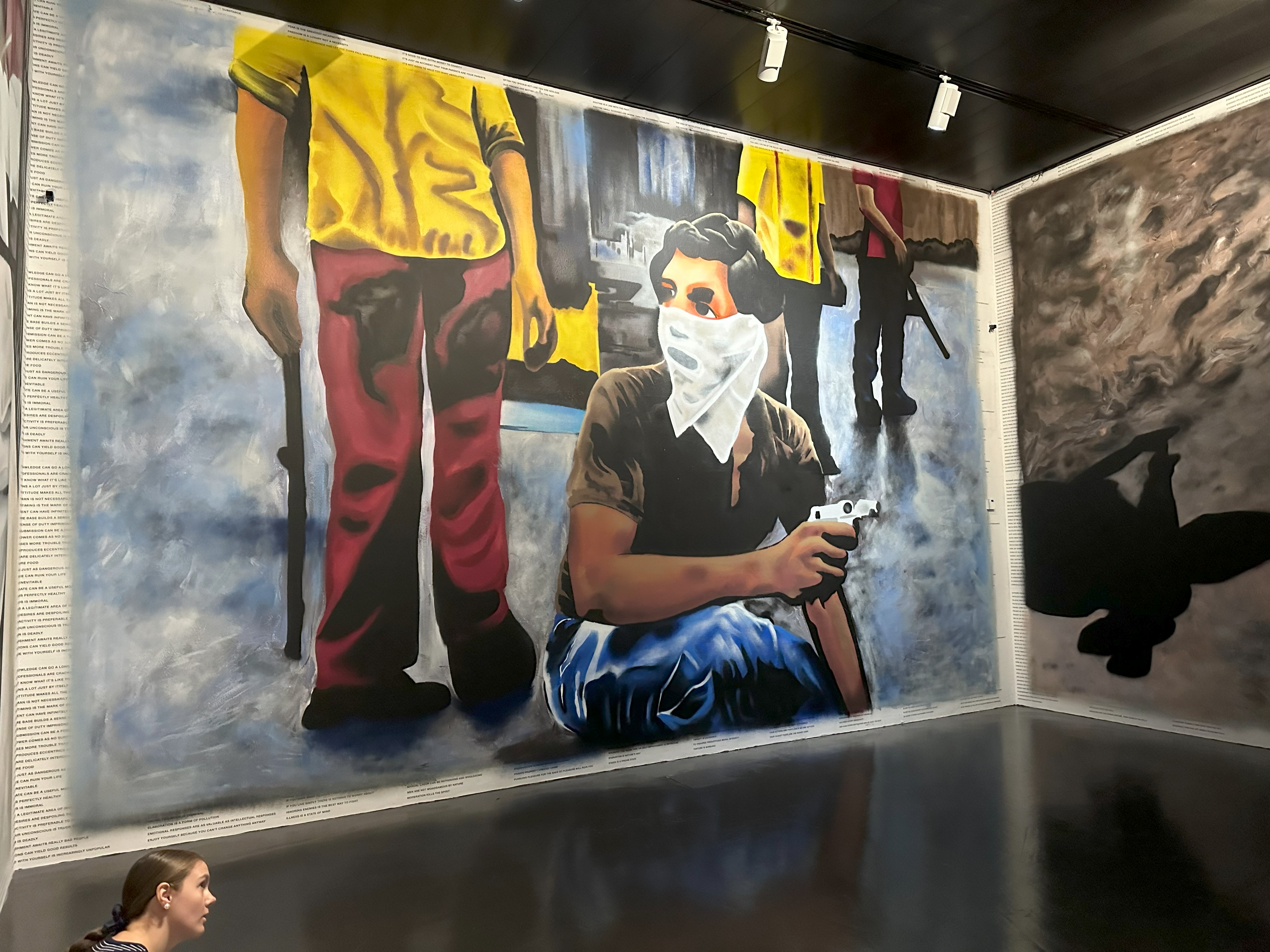
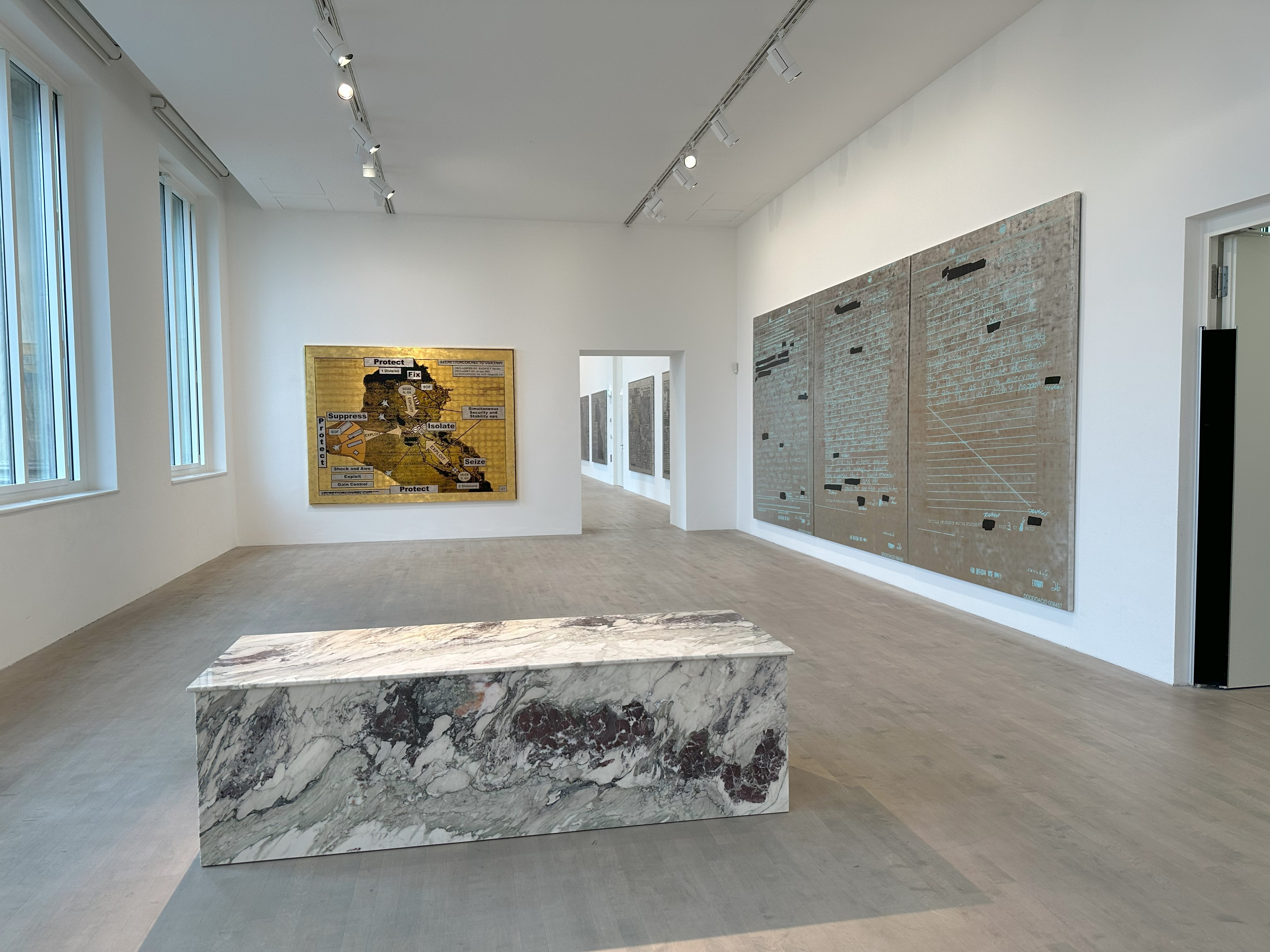
Grads visited the K21 museum in Düsseldorf to see Jenny Holzer’s exhibition.
Holzer is an American artist known for her thought provoking installations that combine text and light. Her works often address issues of power, violence, gender, and challenge viewers to question their own assumptions and beliefs.
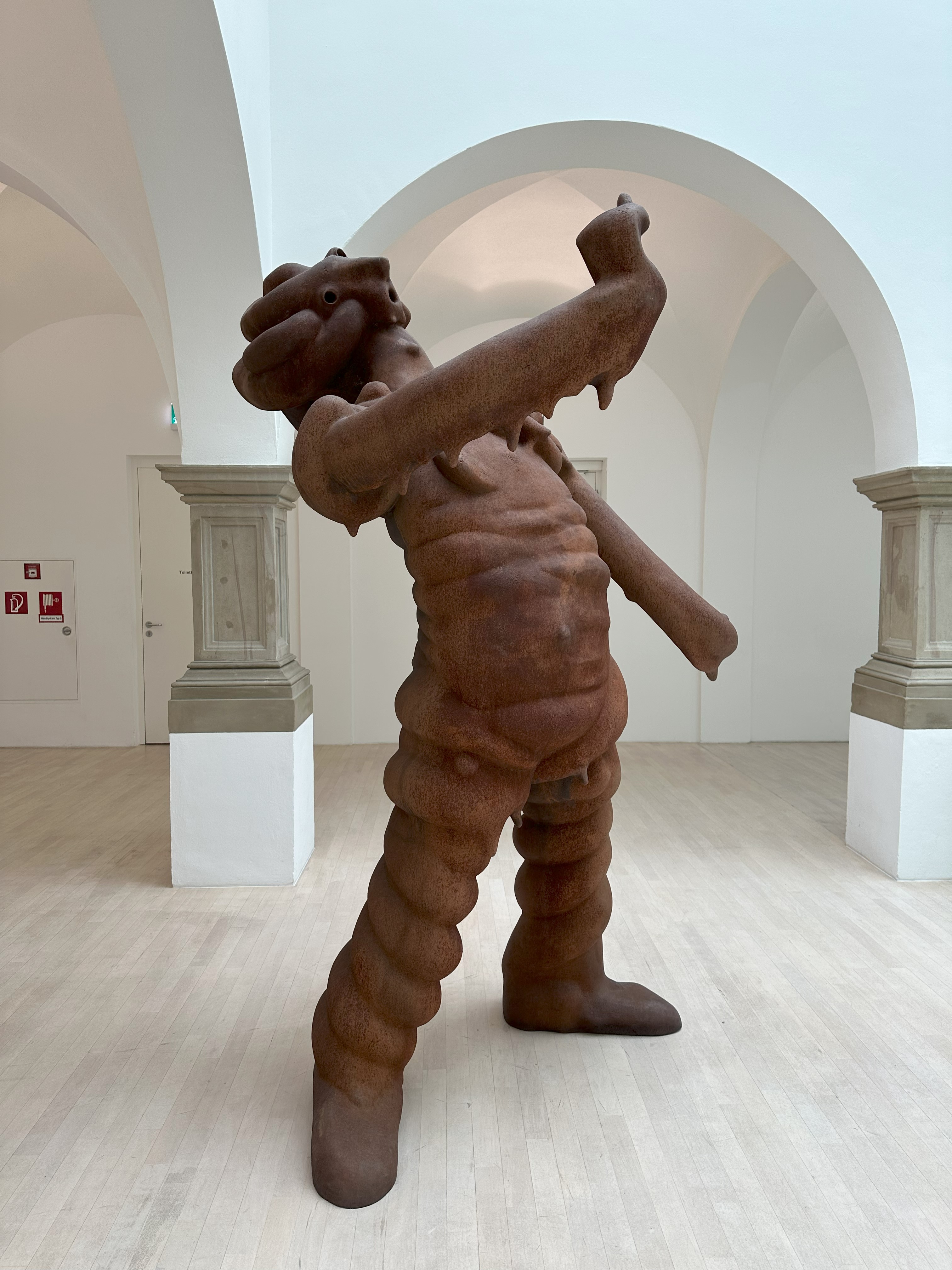
Grads also explored the international contemporary art sections from the art collection of North Rhine-Westphalia which concentrate on the new acquisitions of recent years. Works from the collection by Ed Atkins, Lutz Bacher, Simon Denny, Sabrina Fritsch, Isa Genzken, Carsten Nicolai, Hito Steyerl and Raqs Media Collective are shown in individual rooms. The presentation of the collection also includes photographs by Thomas Struth, which, like the large installations by Reinhard Mucha and Tomás Saraceno, have long been part of the Kunstsammlung Nordrhein-Westfalen.





















































 PAINTING MFA Alfred/Düsseldorf