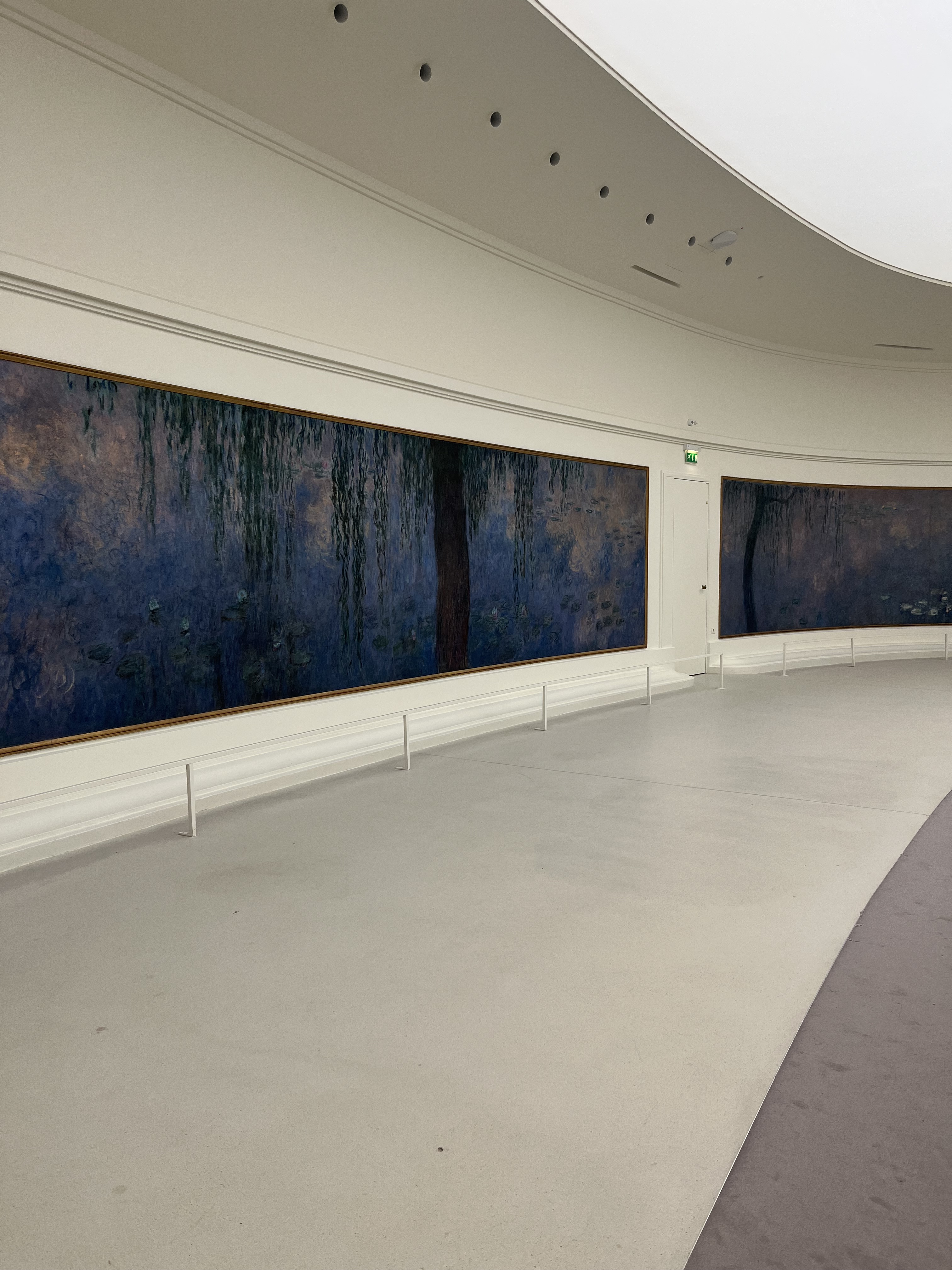
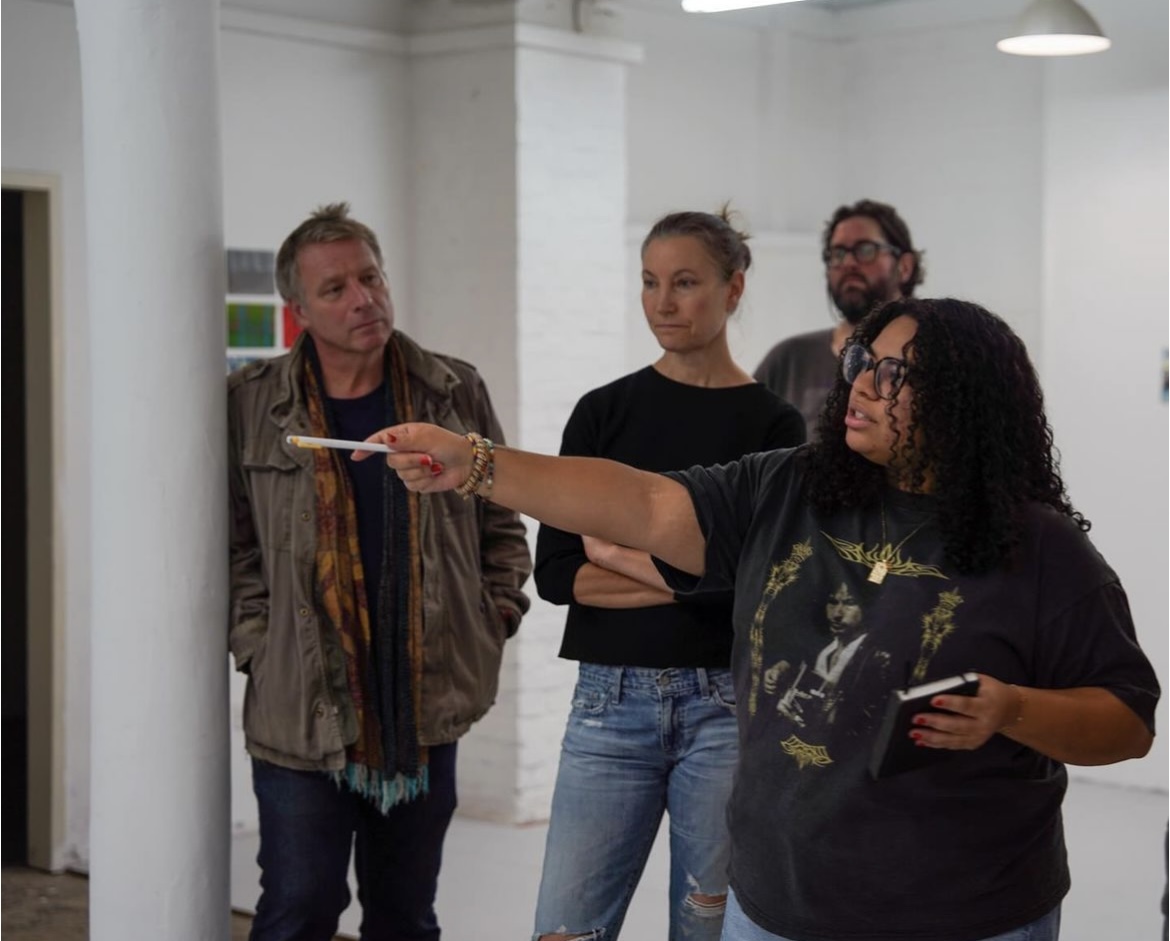
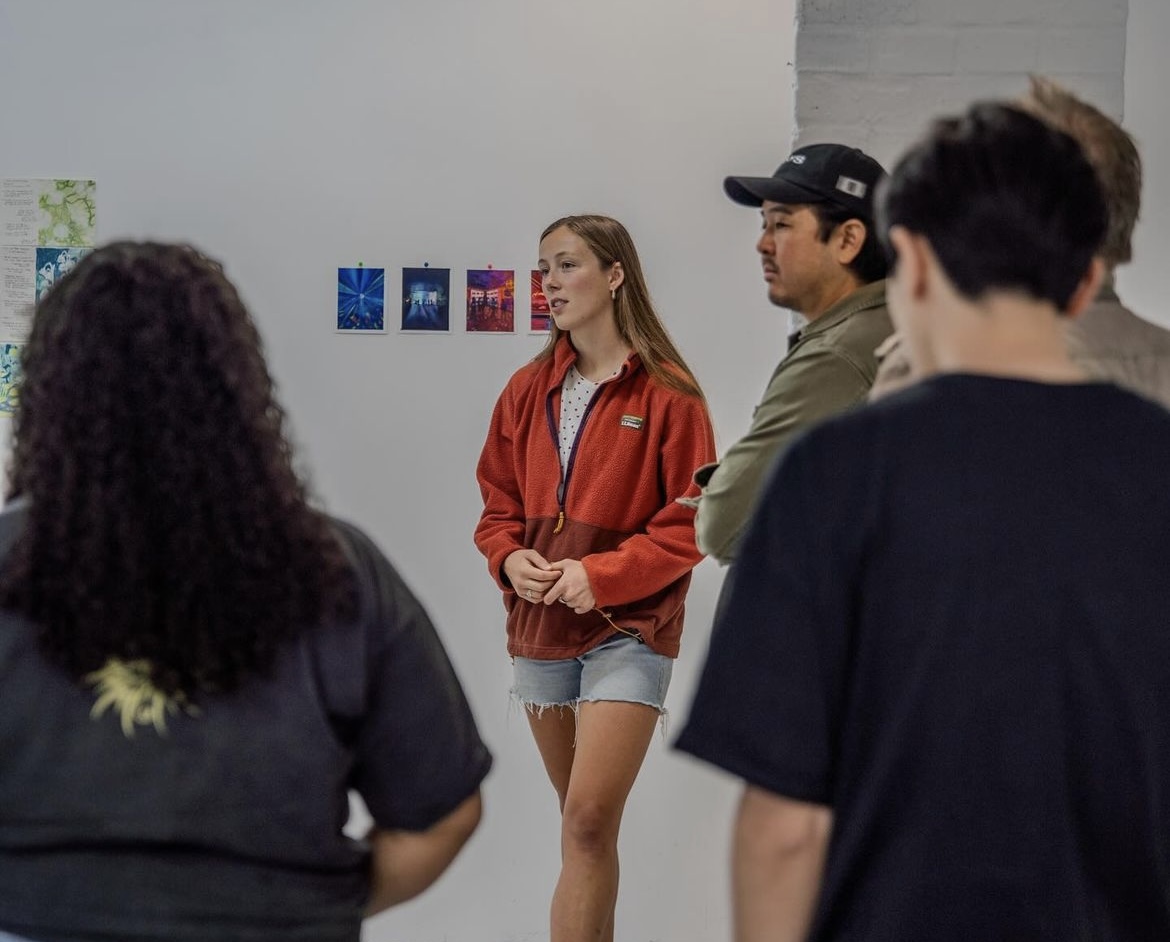
On Tuesday, February 25, 2025, the Alfred MFA cohort traveled to Brussels, Belgium by train to explore the city’s rich cultural history in the arts. After settling into our lodging, we head straight to the Oldmasters Museum. Here we were treated to works by Belgian artists Peter Paul Rubens, Pieter Bruegel the Elder, and others of the region, like Dutch painter Hieronymus Bosch.

After taking in the wonders of the Belgian and Dutch masters, we strolled the streets to check out the local gallery scene. We checked out shows of contemporary artists at Galerie Templon, Rodolphe Jannsen, and La Patinoire Royale. 

The next day, Wednesday, February 26, 2025, we visited the René Magritte Museum and were greeted for a private tour. The experience with our guide provided a personal touch, and insight into the man and work – giving us students a richer experience. We finished our day at the Bozar Centre for Fine Arts, another Brussels museum. At the Bozar, we were treated to an incredible group show titled When We See Us – “A kaleidoscopic exhibition that explores a century of Pan-African figurative painting. Themes such as joy, exuberance, daily life, sensuality and spirituality come to the fore in over 140 paintings by a hundred artists.”

📸 Katrin Laade, Max Heaton

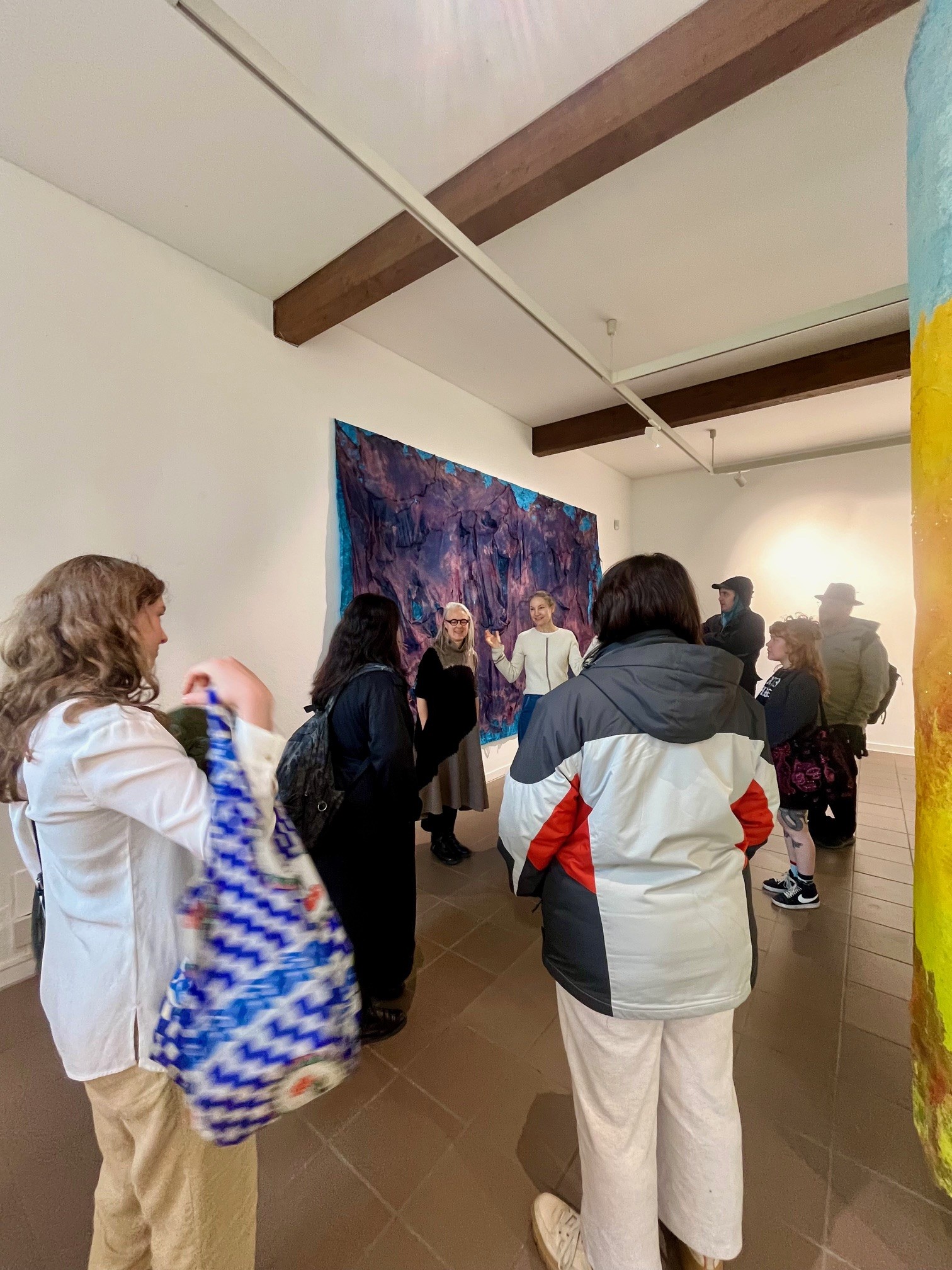
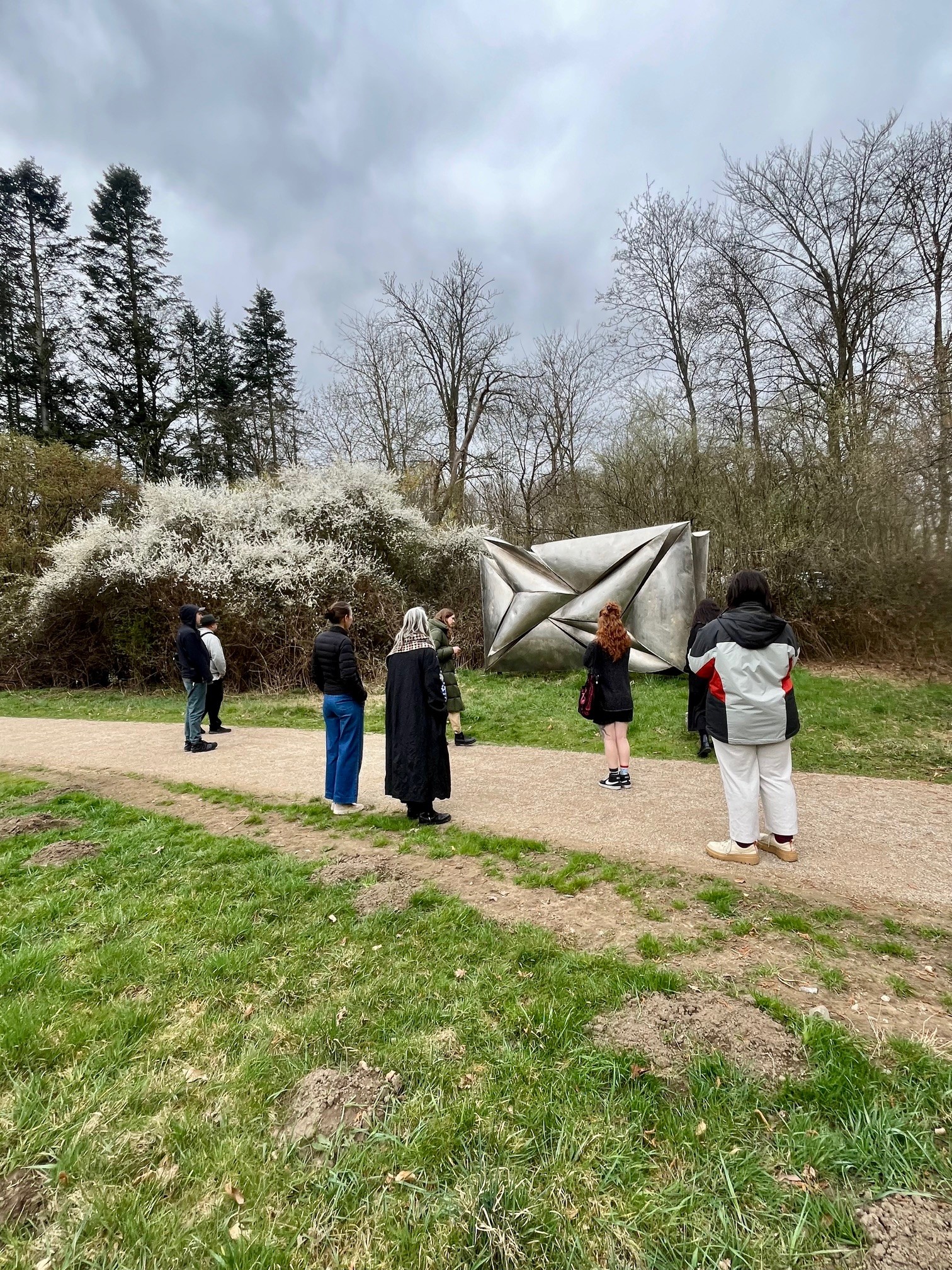
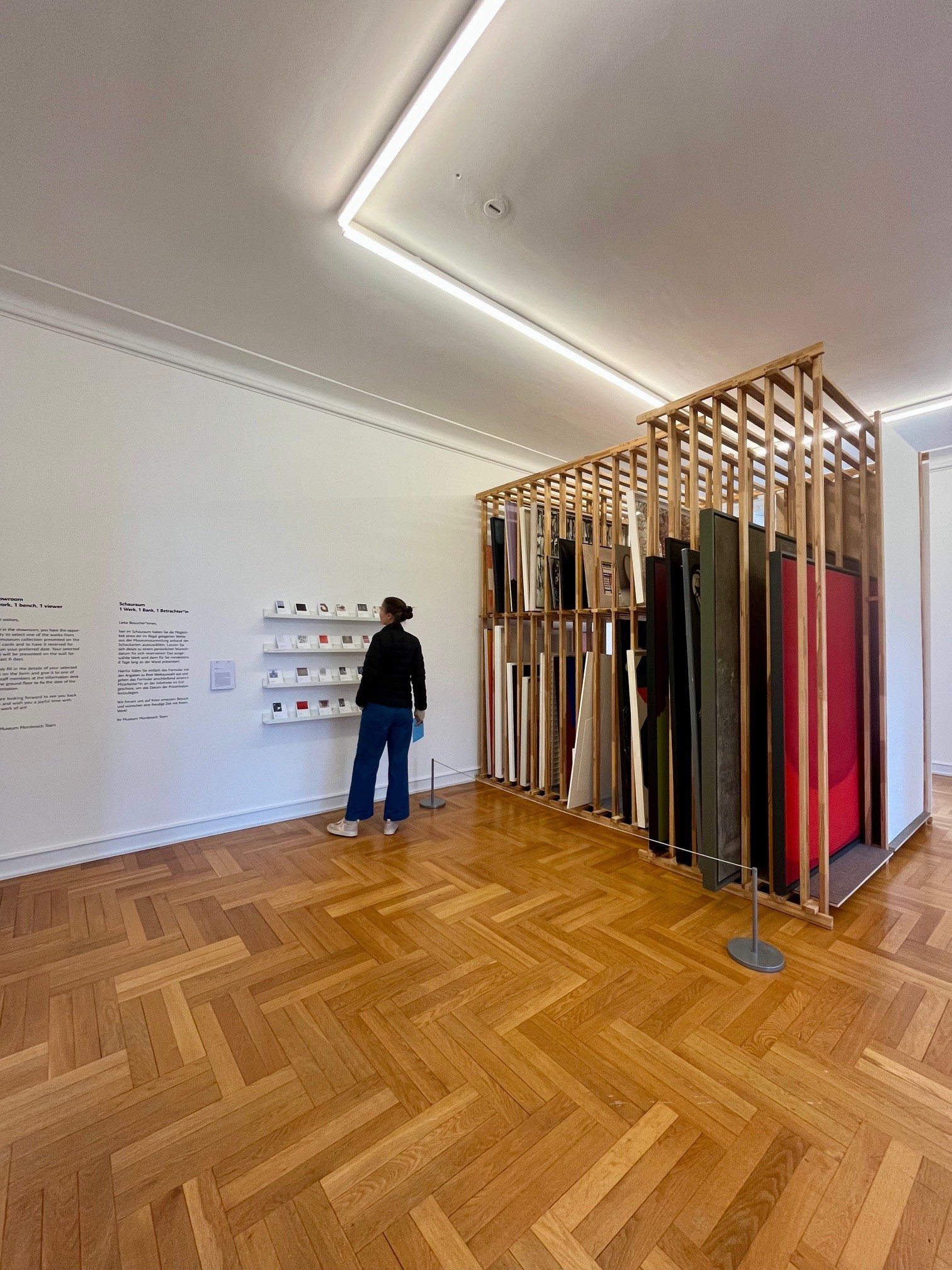
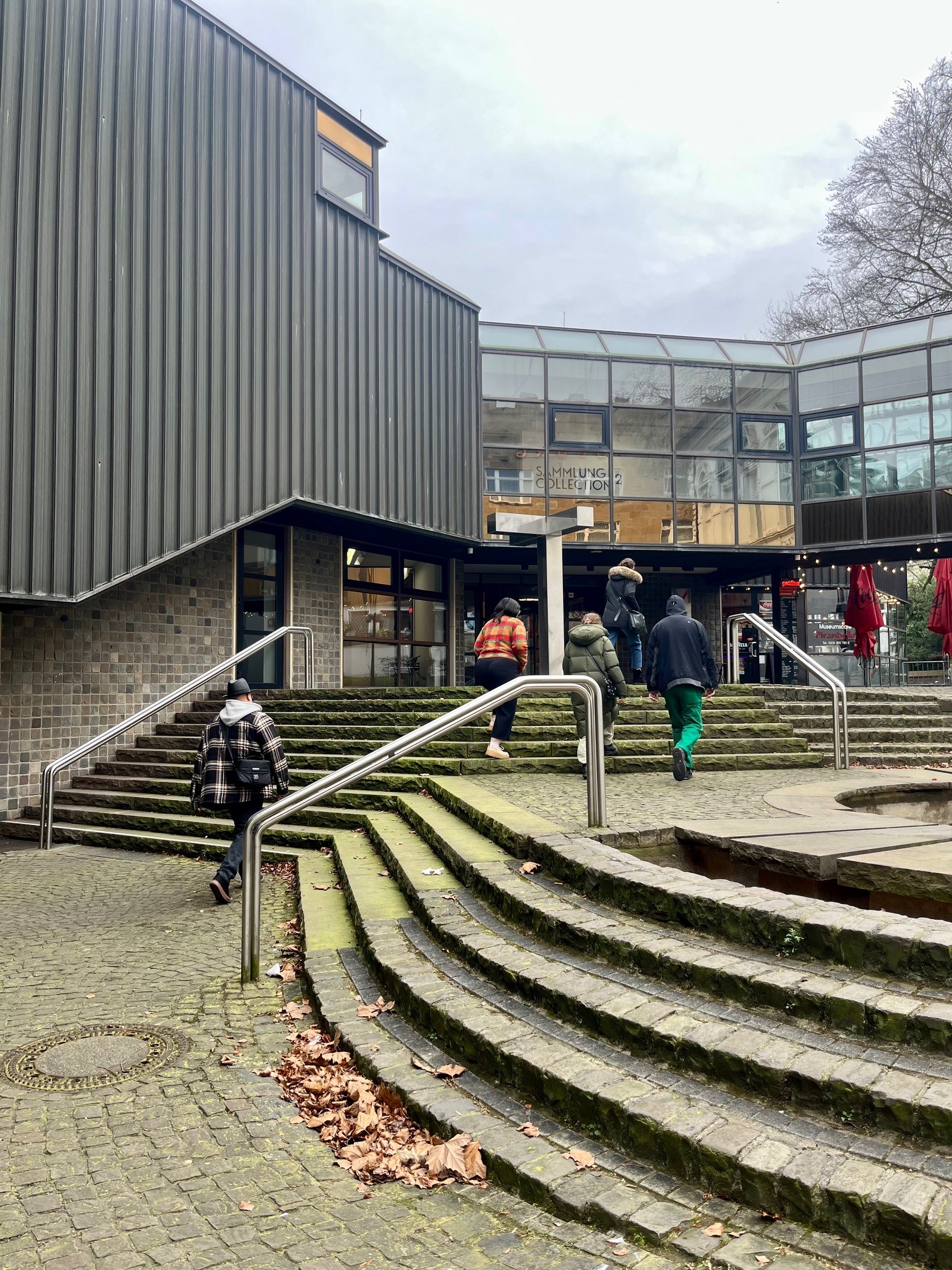
On Thursday, February 20, 2025, the Alfred MFA painting cohort visited the Kunstmuseum Gelsenkirchen in Gelsenkirchen to meet with Julia Höner, the museum director, and be guided on a private tour. The building itself was architecturally unique, built in 1984. The museum director stated that the entryway was meant to deliver “breath and space to invite people in, to be a space for the public.” 

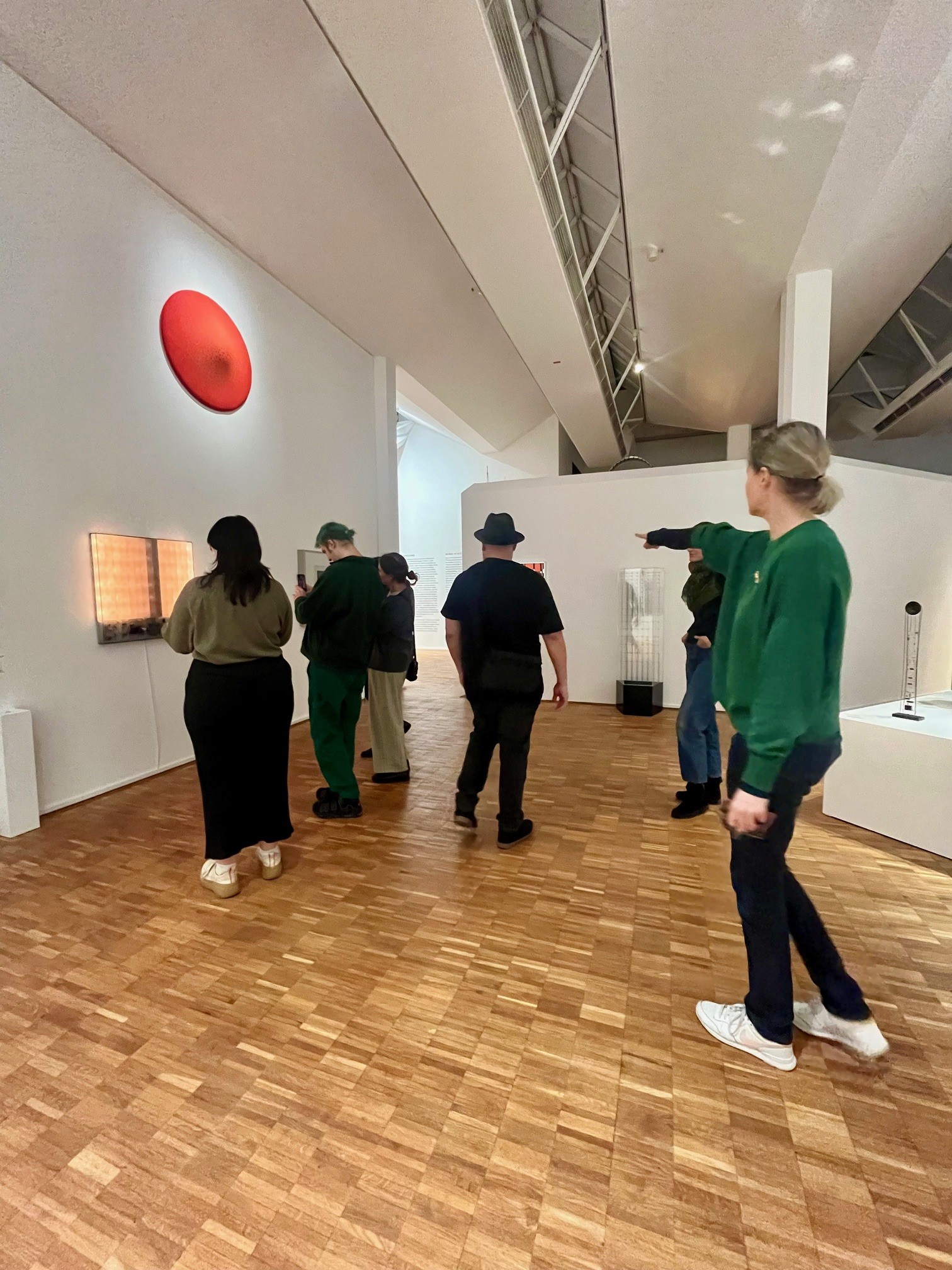
We were guided from room to room, and the director provided insight into the works currently on view. The Kunstmuseum Gelsenkirchen holds one of the largest collections of kinetic art in Europe. The exhibitions were designed so that visitors could activate the works themselves, by pressing buttons stationed next to the works, designed to set the art in motion. Such a structure of art exhibition provides a veritable process of discovery. This interaction with the art makes for a playful experience, one that all age groups can enjoy. Educational programming is strong within the museum, often hosting pre-school and elementary school children, who may be having their first interactions with an art institution. 

This engagement with young people is not by accident. The kinetic art on view, a large portion made directly after WWII, was made as art that hoped to rid itself of representation, and away from political means, which would often be in service of government propaganda, The artists making this kinetic work, some the artist group ZERO, had the idea of, in the director’s words, “pushing the art down from its pedestal to become more accessible for the people.” There are a select number of works that the museum encourages its visitors to touch, which in turn impacts the aesthetics of the work.

At the end of the tour, our group visited the basement of the museum – an area converted from storage of kinetic art, into an exhibition space – to see and interact with the work of Alona Rodeh, and their solo exhibition interzone.

📸 Max Heaton

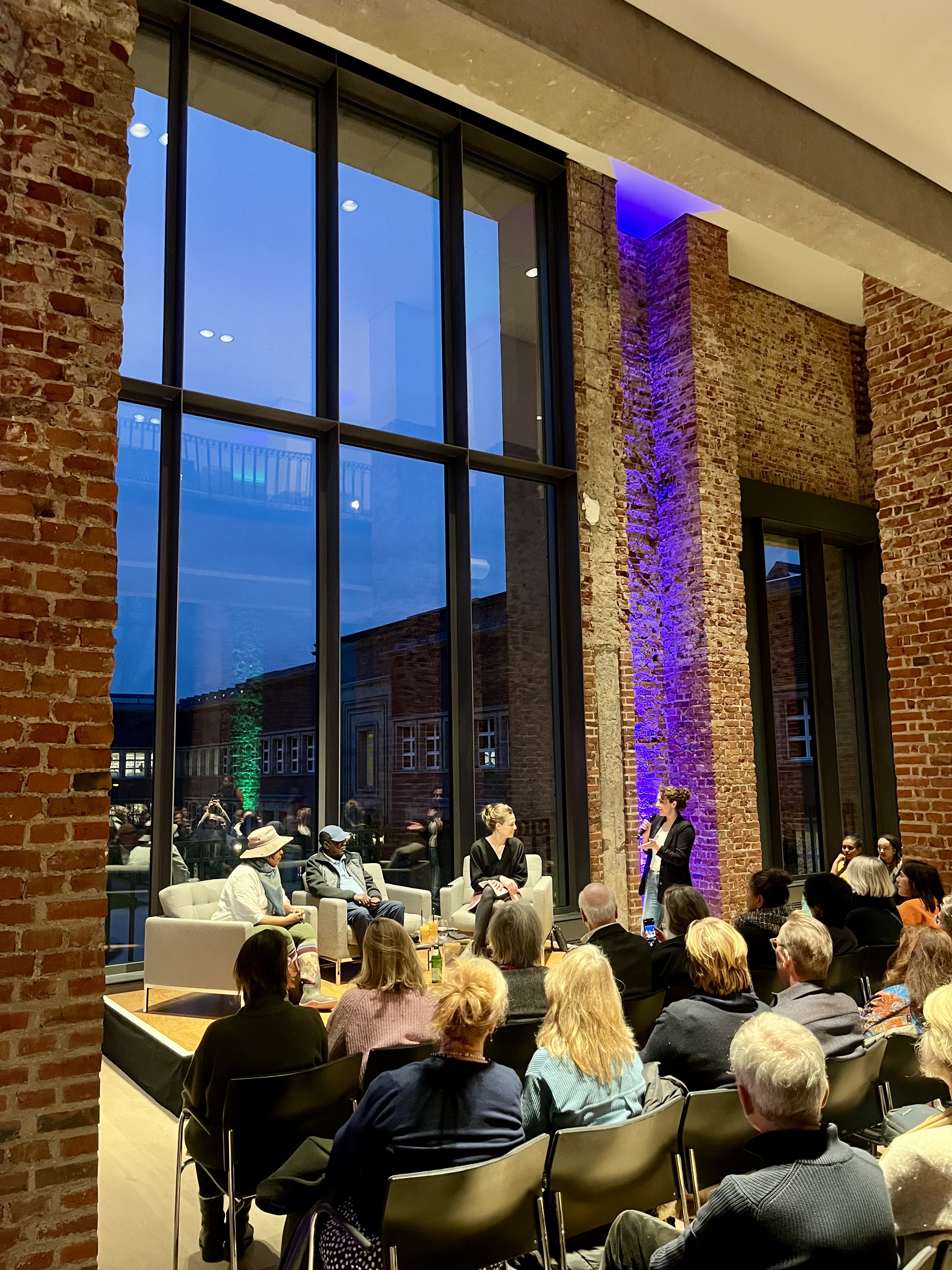
On Wednesday, February 12, 2025, the Alfred MFA painting cohort visited the beautiful Kunstpalast in Düsseldorf to attend the artist talk of Ethiopian visual artist Elias Sime, accompanied by his artistic partner, Meskerem Assegued. The talk was in English and translated in real-time by Meskerem, using Elias’ native tongue. The artist talk was held in conjunction with Elias Sime’s opening at the Kunstpalast; a large-scale exhibition called “Echo”, his first solo exhibition in a German-speaking country. The show includes the development of his work from the early 2000s to the present day.

About Elias Sime’s work: Sime assembles large-format reliefs from everyday objects and discarded electronic components such as wires, keyboard keys, and motherboards. The artist collects the material for this in his home city of Addis Ababa, at one of Africa’s largest open-air markets.

The talk gave insight into Sime’s process and artistic philosophies … 

Sime states “Some of us know our passion early, some of us late, I was born an artist!”

On materiality: “I am going to use all types of things to create art.” Undoubtedly, the artist’s materials have evolved and changed throughout the years. Elias states, “Whatever I did then is right, whatever I am doing now is right.”

Sime attended art school at Addis Ababa University Alle School of Fine Arts in Ethiopia …

On attending art school: “I went through the discipline of the art school, and I don’t believe that is enough” … “There is a lot to learn from life, there is a lot to learn outside of the academic.”

Sime makes work on a monumental scale, his pieces range up to thirty meters. His works take shape on the ground, often built through numbered panels that eventually get put together and hung on the wall. The artist will not know what the work will look like until it has been assembled on exhibition walls. Those in attendance were surprised to learn that Sime begins his vision work on a miniature scale. These large-scale works start as a small sketch on paper, perhaps 3” x 3”. From the encouragement of his artistic partner and translator, Sime pulled one of these sketches from his pocket, to exhibit to the crowd in attendance.

Sime works with assistants to produce his work …

On working with a team, he states: “My assistants are not artists, this is true. Working with assistants is about giving and sharing, and sometimes they show me things that I have not seen. When we share ideas, I believe that the sharing is what creates the work.”

Sime provided much spiritual and philosophical insight throughout the talk. Some memorable quotes include: 

On advice to artists, Sime says: “Find your bliss and follow it” … “Eat the fruit when it is ripe.”

On his dedication as an artist: “If you love, you can sacrifice everything. I used to spend many hours in my studio – most of my time was spent there.”

On his appreciation for nature and life: “Part of being human is to know that you are the tree. You need connections to survive; it is your oxygen. It’s about coexistence.”

📸 Max Heaton
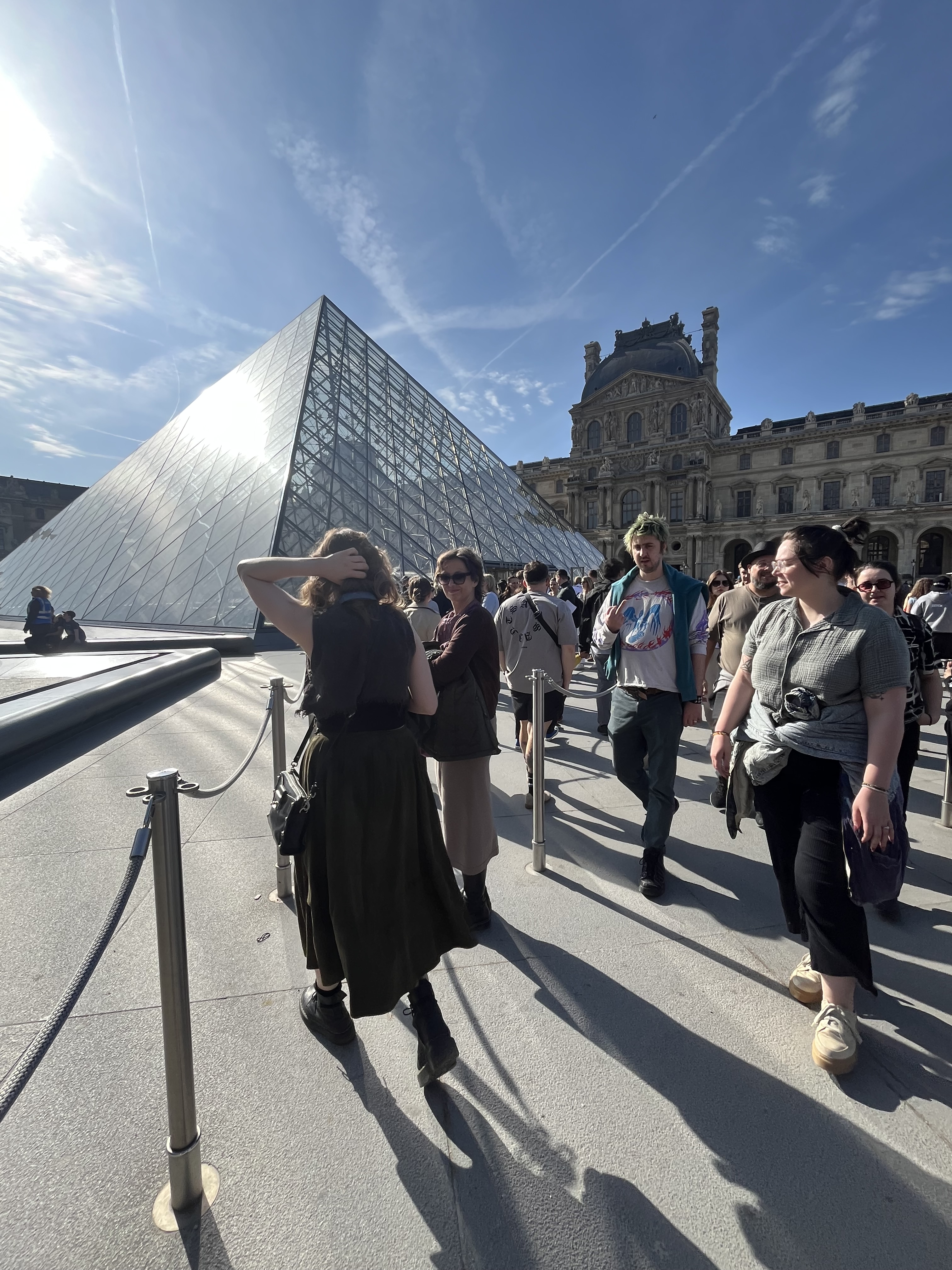
On Wednesday, February 6, 2025, the Alfred MFA painting cohort visited the famous Düsseldorf Kunstakademie for Rundgang, the academy’s annual show, featuring the work of academy students. The academy’s massive halls and rooms were filled with people and art – three floors of student work. The show included sculpture, painting, works on paper, video, and installation.  This annual event attracts thousands of visitors, who pack the halls to witness an impressive upwelling of young, contemporary art. 

Christina Puth, a graduate of the academy, and our private guide for the day, received the Alfred cohort. To see all the rooms and works, one would need a full day of exploration! Our guide Christina situated us within the halls, showed us some works that jumped out to her, and let us loose to explore on our own.

The Kunstakademie Düsseldorf is a legendary art school and one of the most respected in Germany. The core of all degree programs at the academy is the students’ independent artistic activity, guided by classes led by internationally renowned artists. The goal of artistic study at the academy is to cultivate one’s artistic position, personality, and attitude. Students at the academy are hand-selected by the professors to join their classes. This system of instruction is made clear when one goes from room to room, where the professors’ influence and style become apparent. The students curate the rooms to make a cohesive presentation. Each room provides a map and guide to the works, and students leave their emails and contact information readily available at the door for those who want to connect!

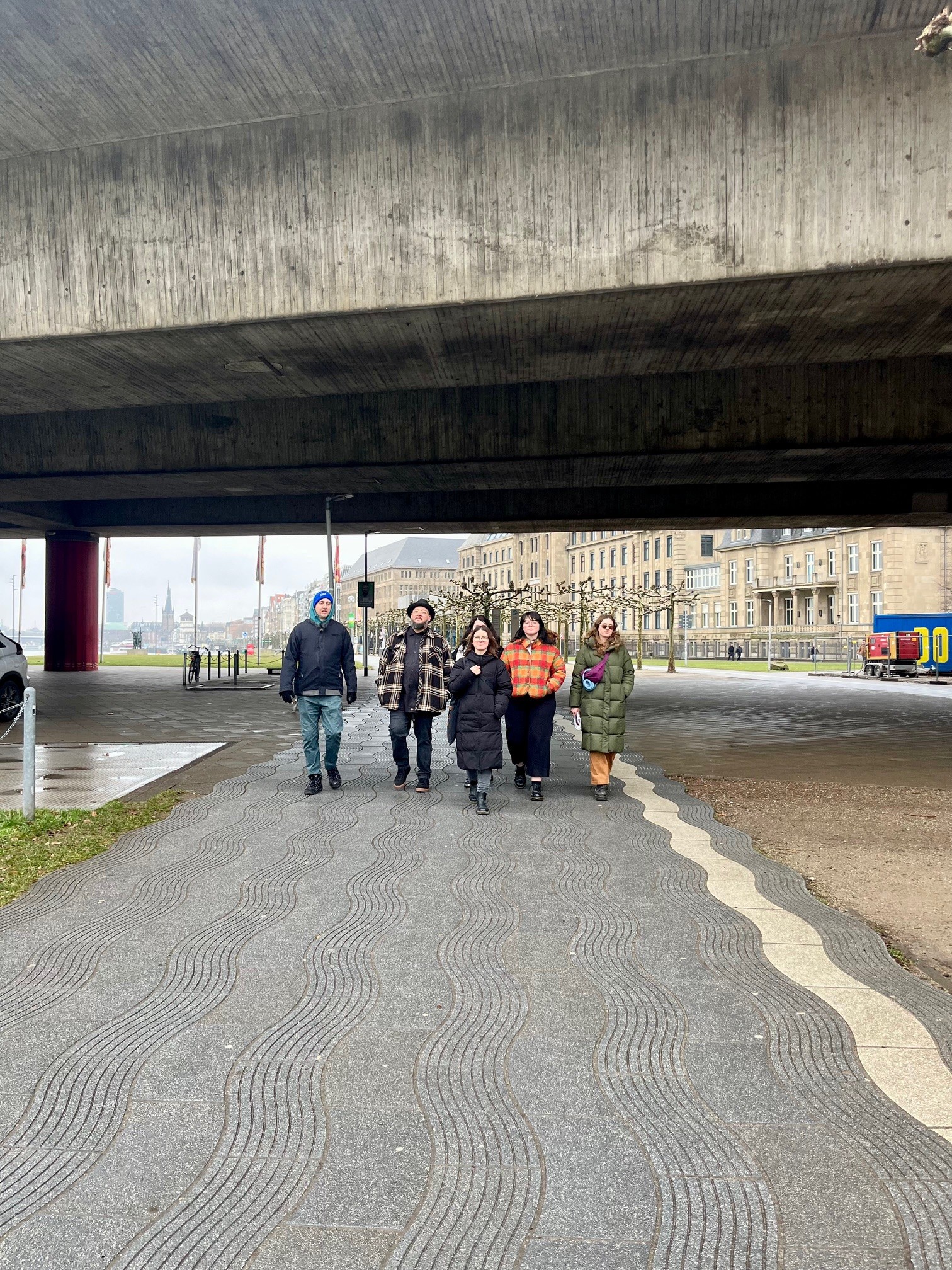
The MFA students of Alfred finished their day with a tour through the Altstadt (Old Town) and down the river Rhine. 

📸 Max Heaton
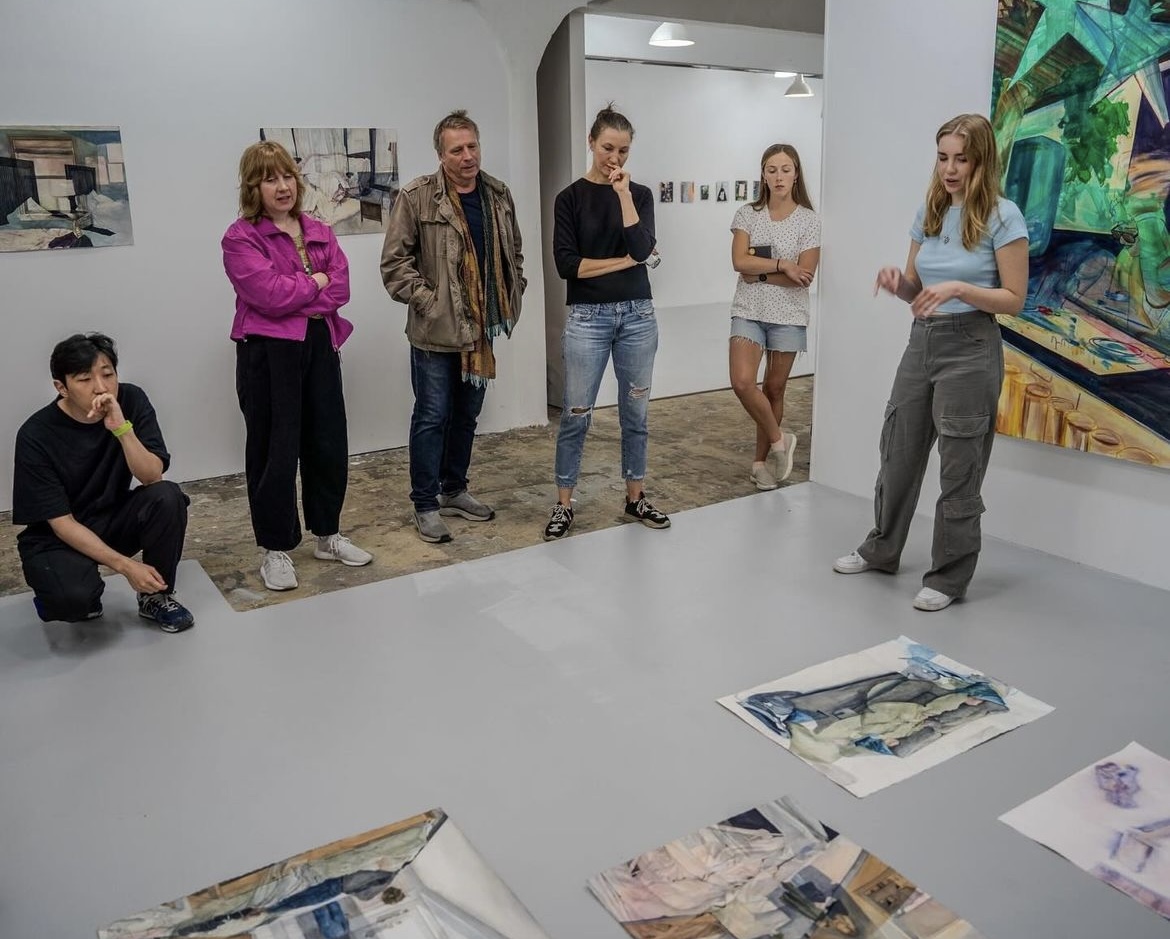
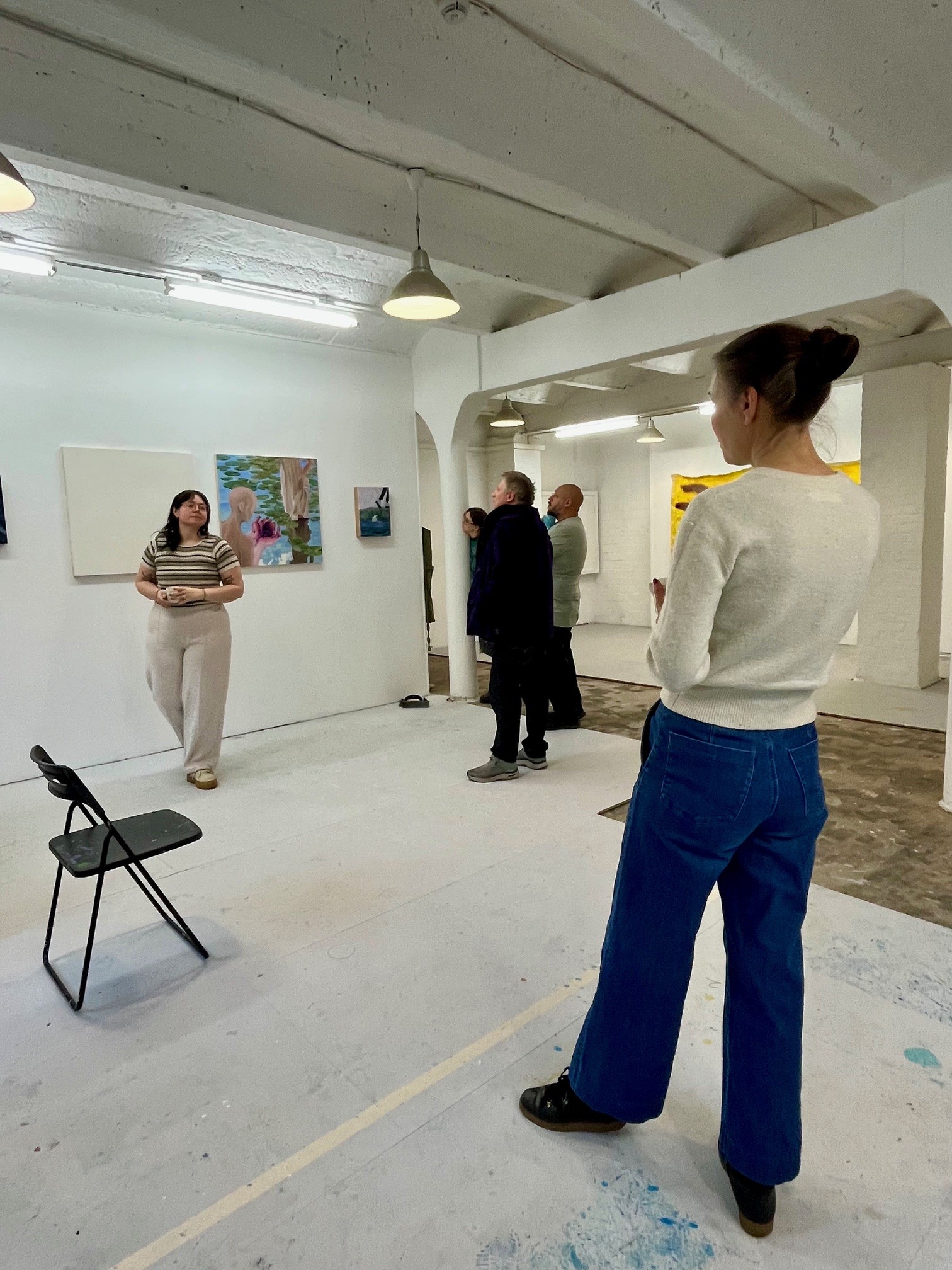
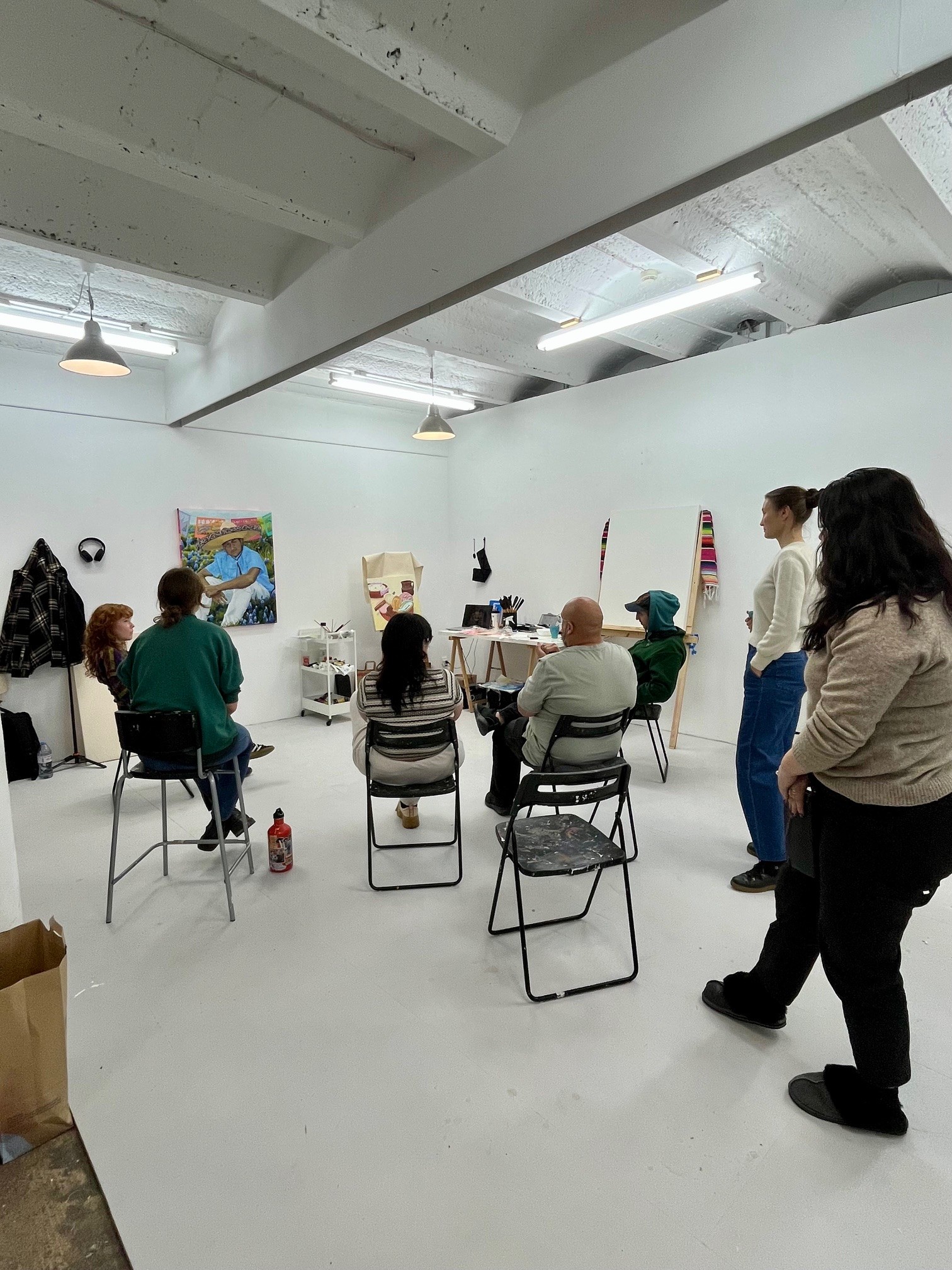
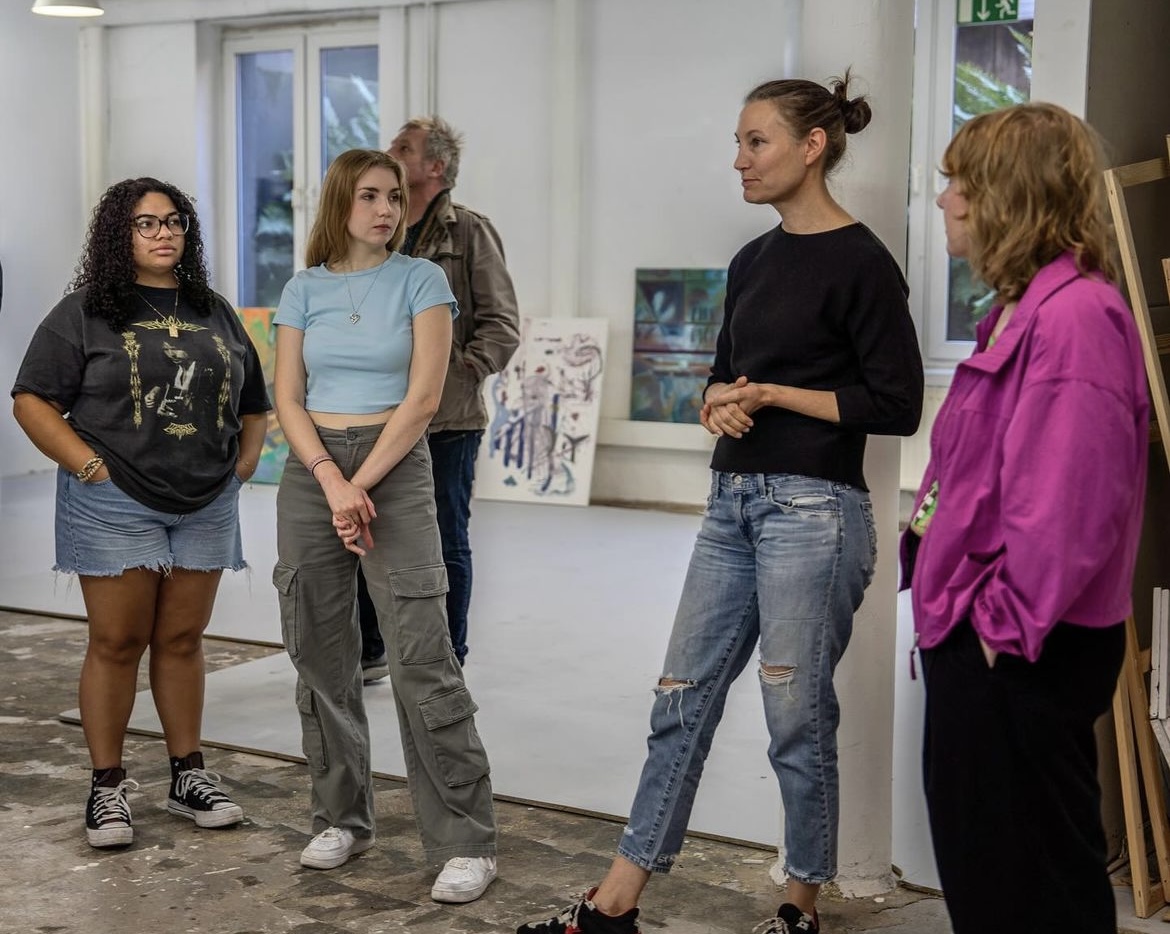
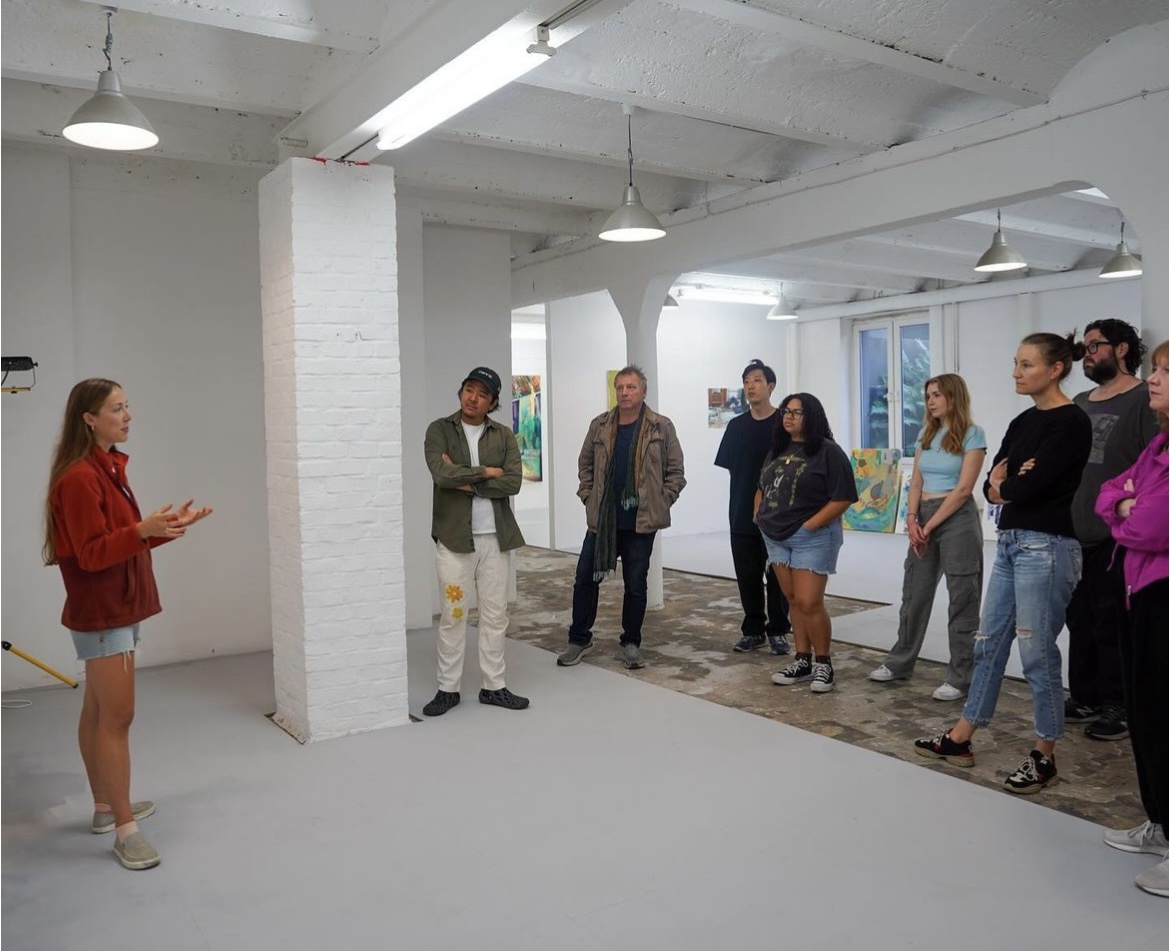
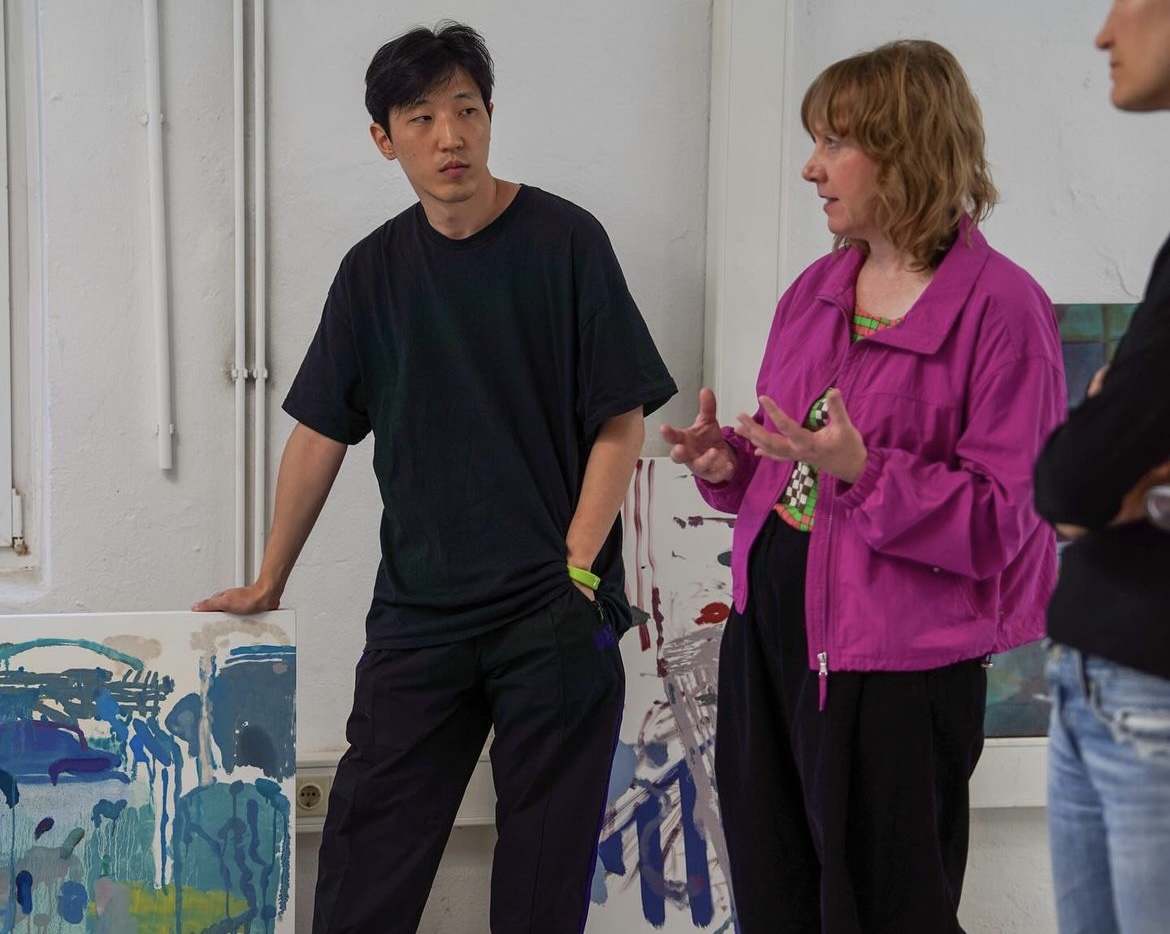
Critiques in the Alfred/Düsseldorf MFA program are always lively and full of so many wonderful perspectives, as we get to hear from both our professors in Alfred and in Düsseldorf. Here are some photos from a critique with the second year grads.

📸 Elliot Houghtelling

1st year painting grads curated an exhibition at Scholes Library Project Room. Departure is open through Dec 2nd. Come check it out! @alfredu_arts

Through the generosity of the Bernstein grant, the second year grads were able to attend the Venice Biennale this past weekend! They got to view a plethora of artworks by international artists with unique perspectives reflecting on the Biennale’s theme “Stranieri Ovunque,” or “Foreigner Everywhere.”

📸 Natalia Velez Carrero, Lindsay Picht, Ivy Vallely

Thank you to Scott Olson for an excellent conversation and water-media demonstration!
@alfredpainting @alfredu_arts 🎨🎨🎨

The 2nd year grads took a trip to the sprawling city of Berlin for a few days! They visited some museums and galleries like the Gemäldegalerie featuring 17th century painter Frans Hals, the Neue Nationalgalerie, and the Hamburger Bahnhof. They also visited landmarks like the Brandenburg Gate and the East Side gallery of the Berlin Wall.

📸 Natalia Velez Carrero, Lindsay Picht, Katrin Laade

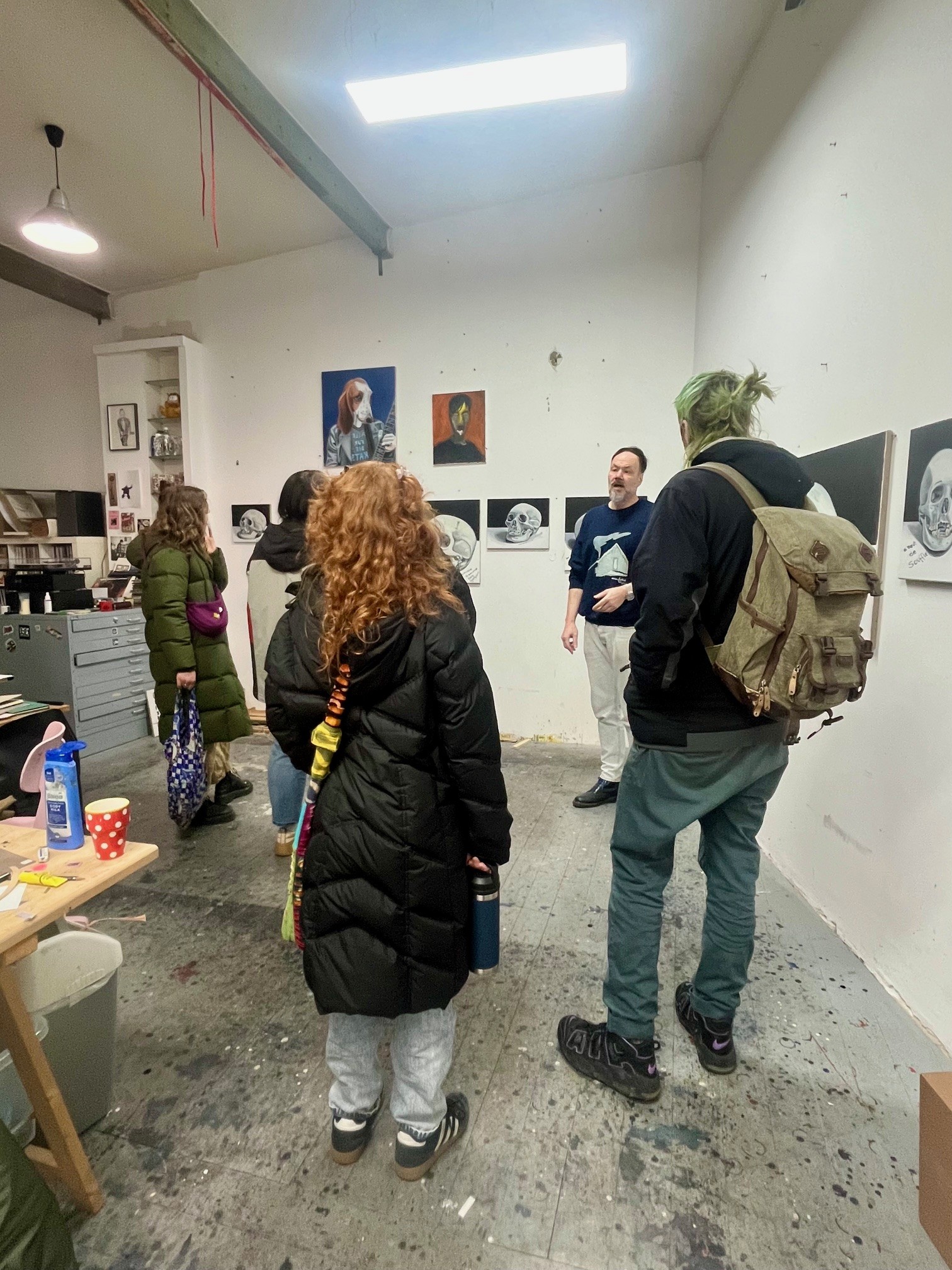
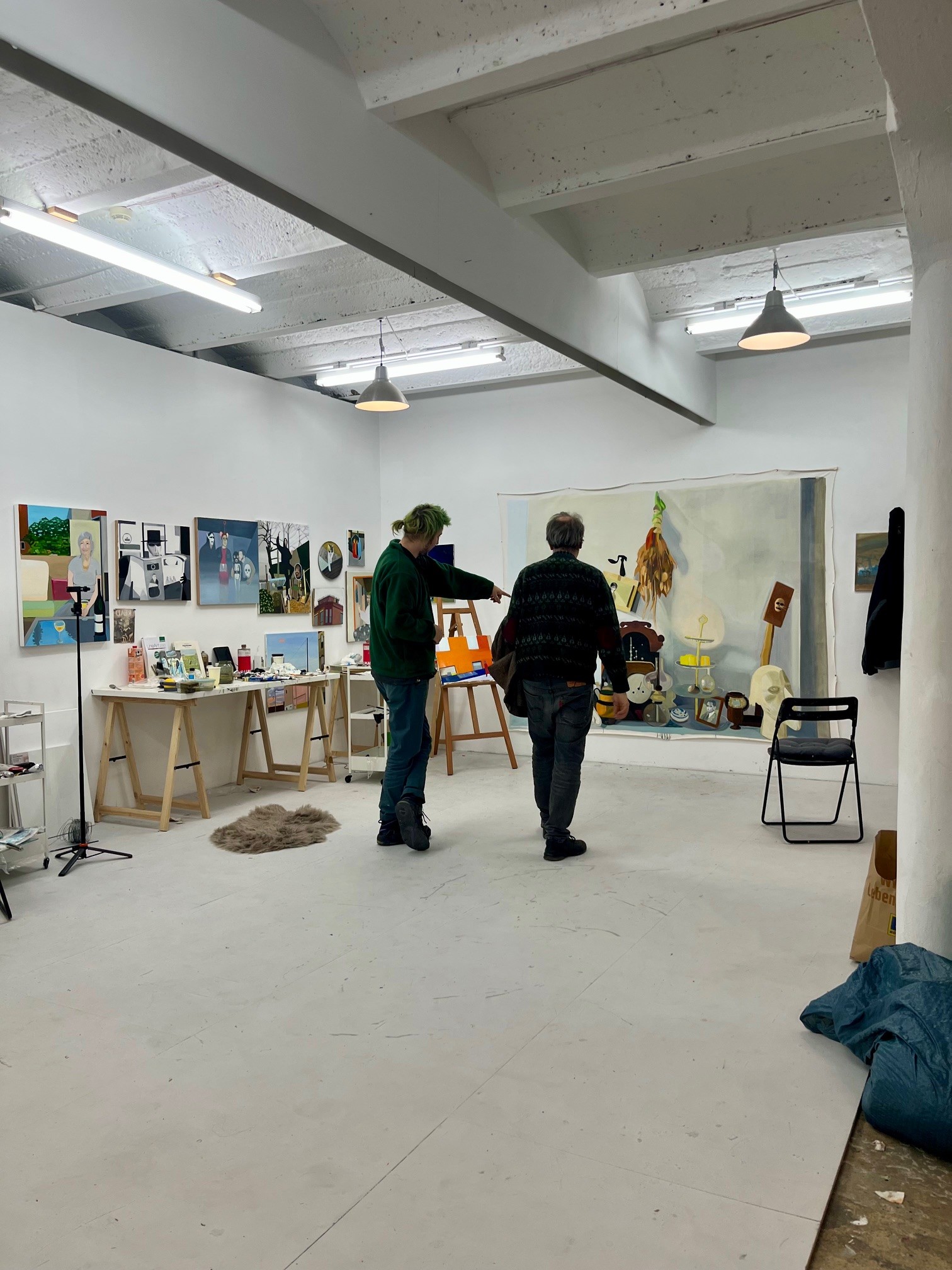
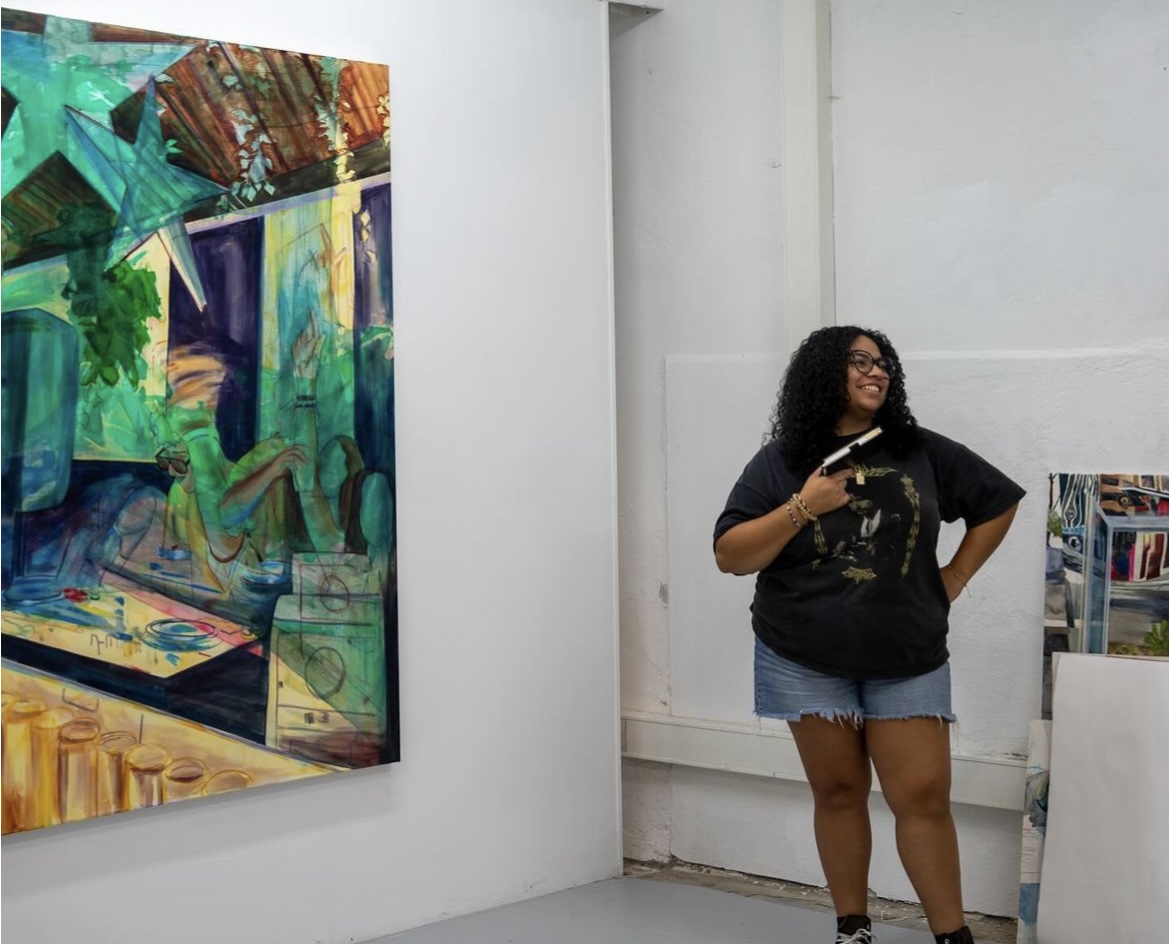
The grads had midterms last week! Here’s a peek into the 2nd year grads’ studios to see what they’ve been working on for the first half of the semester!

📸 Ivy Vallely, Natalia Velez Carrero, Lindsay Picht, David Park