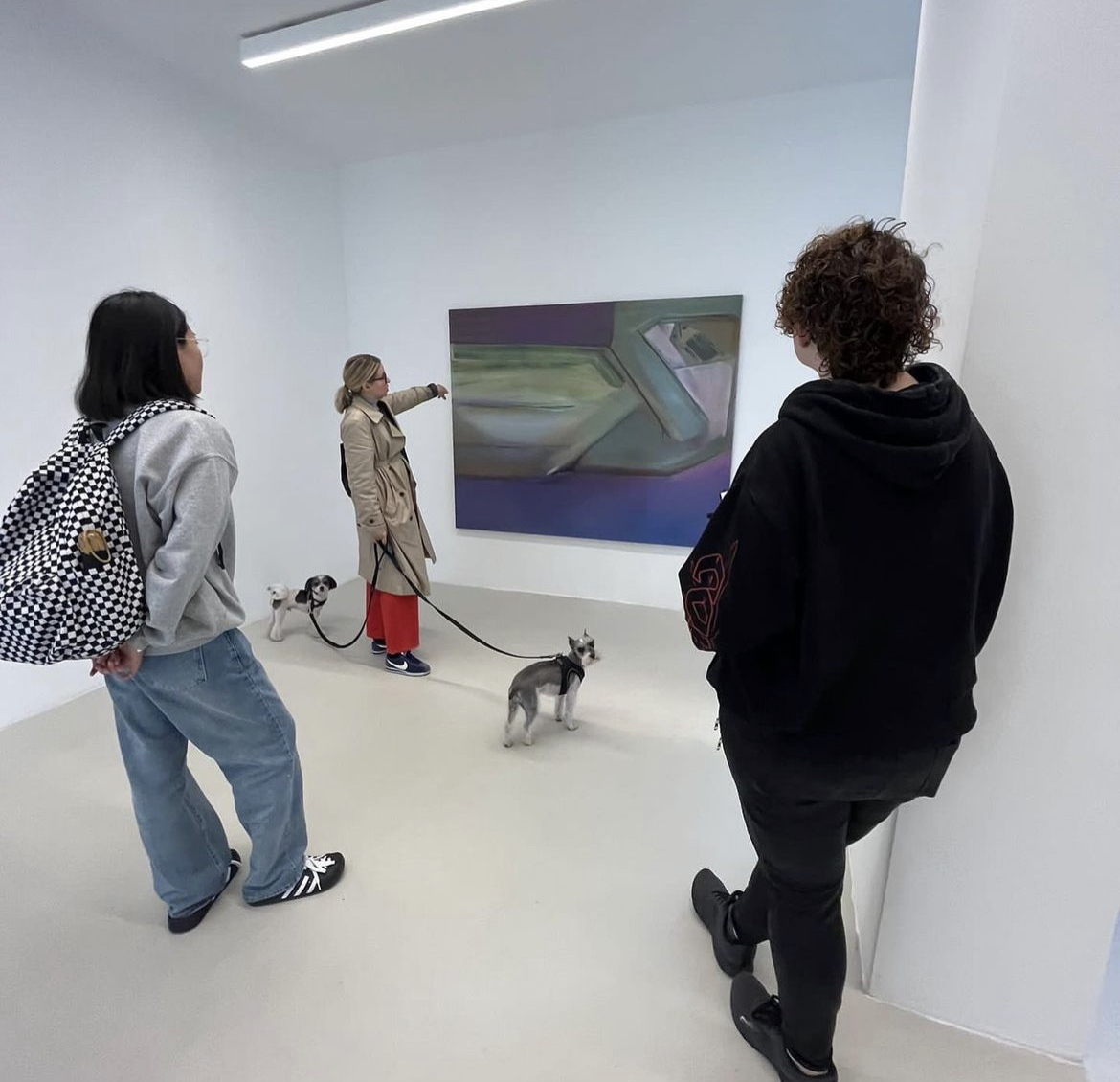
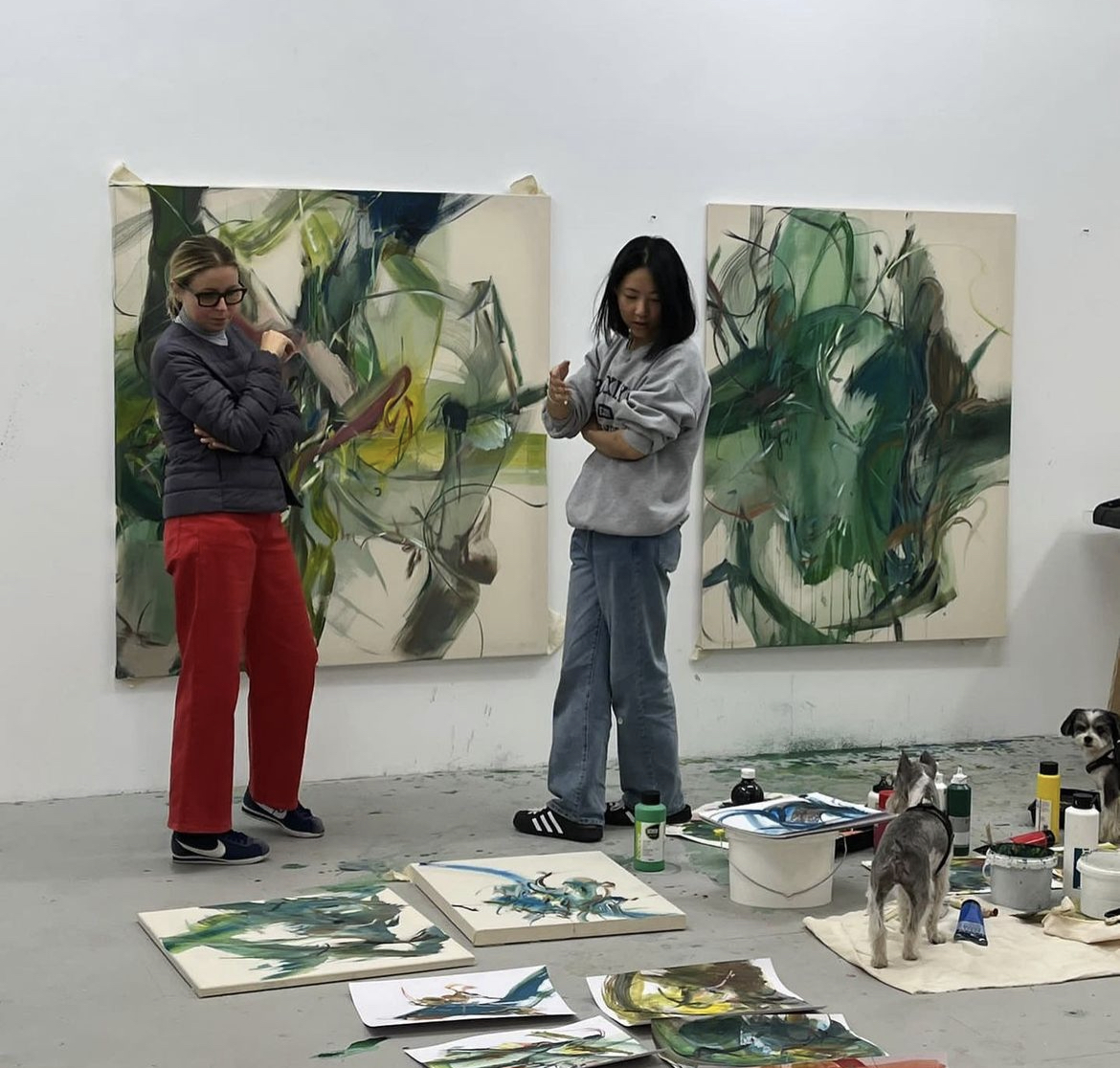
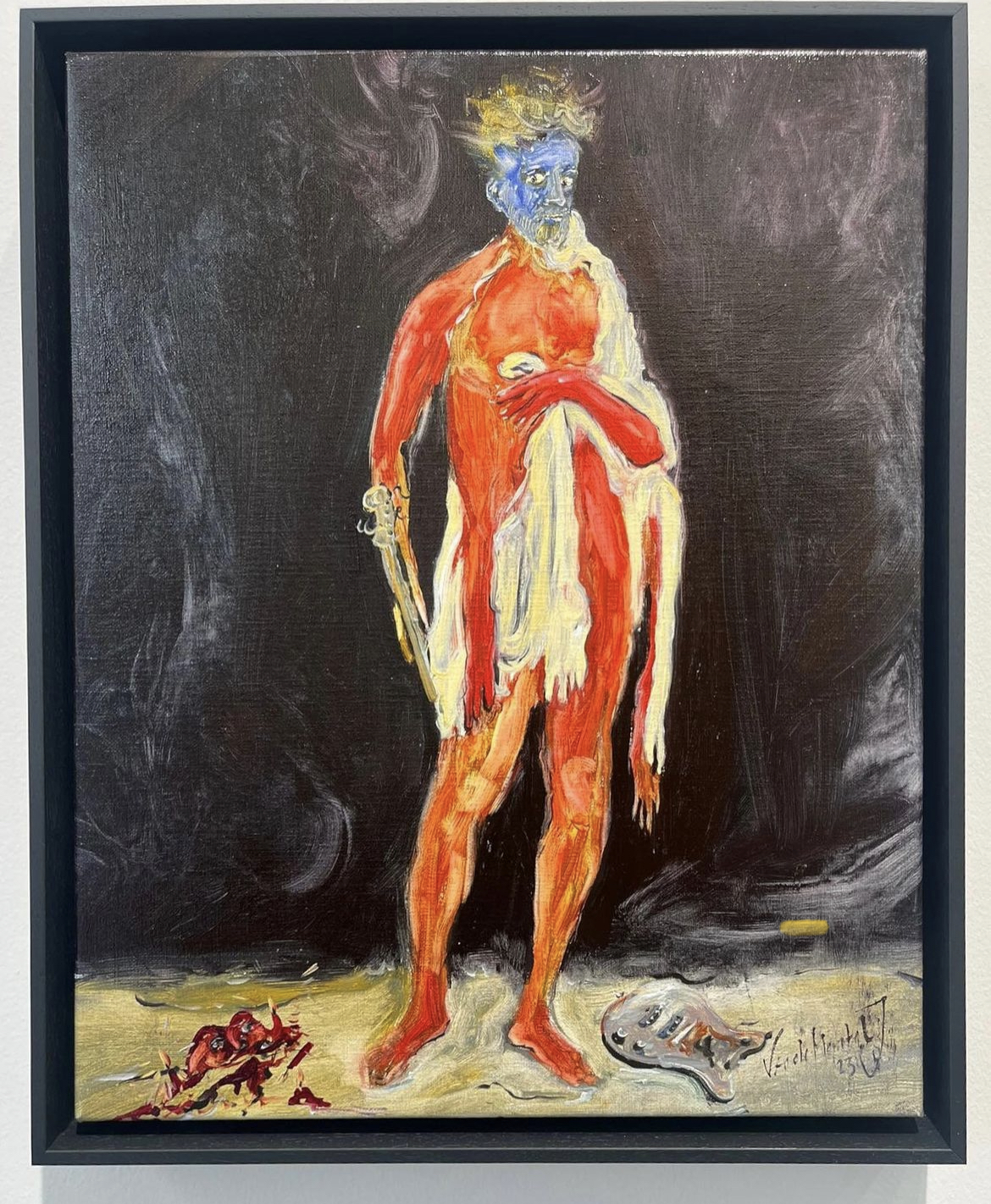
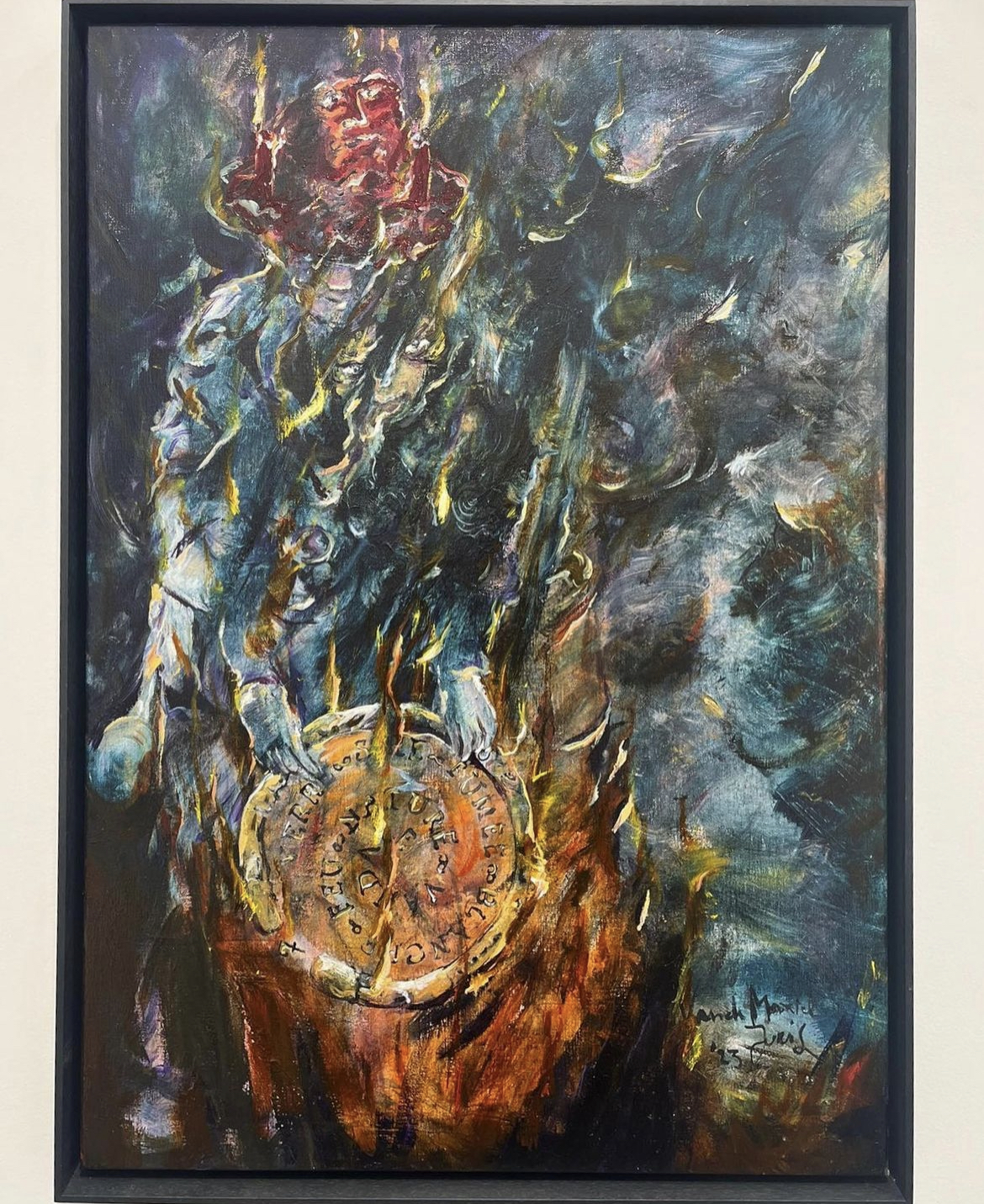
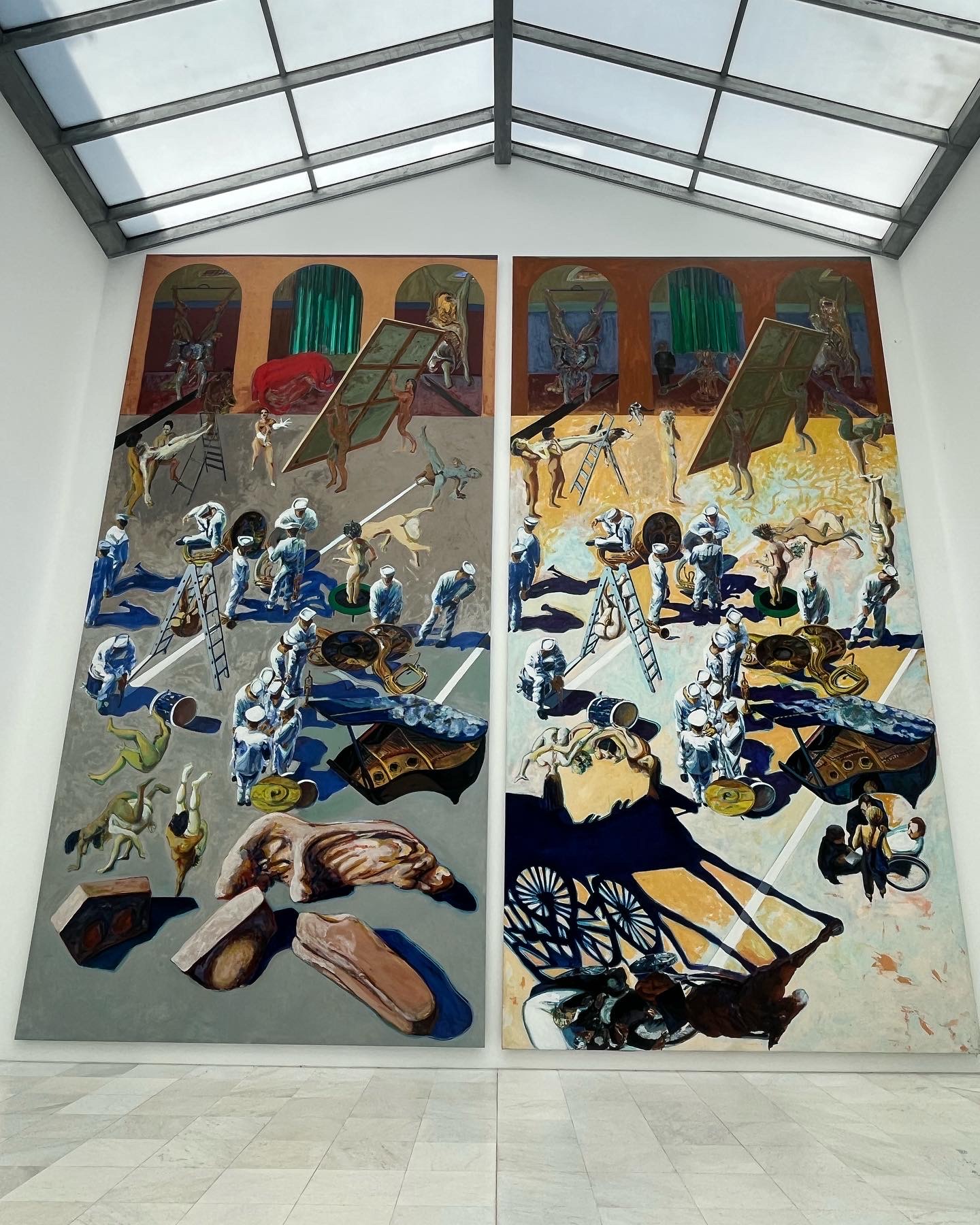
The grads had the pleasure of taking a second look at Heidi Hahn’s exhibition at @kadelwillborn . After they had an artist talk and studio visit from @heidihahn123 in their studios.
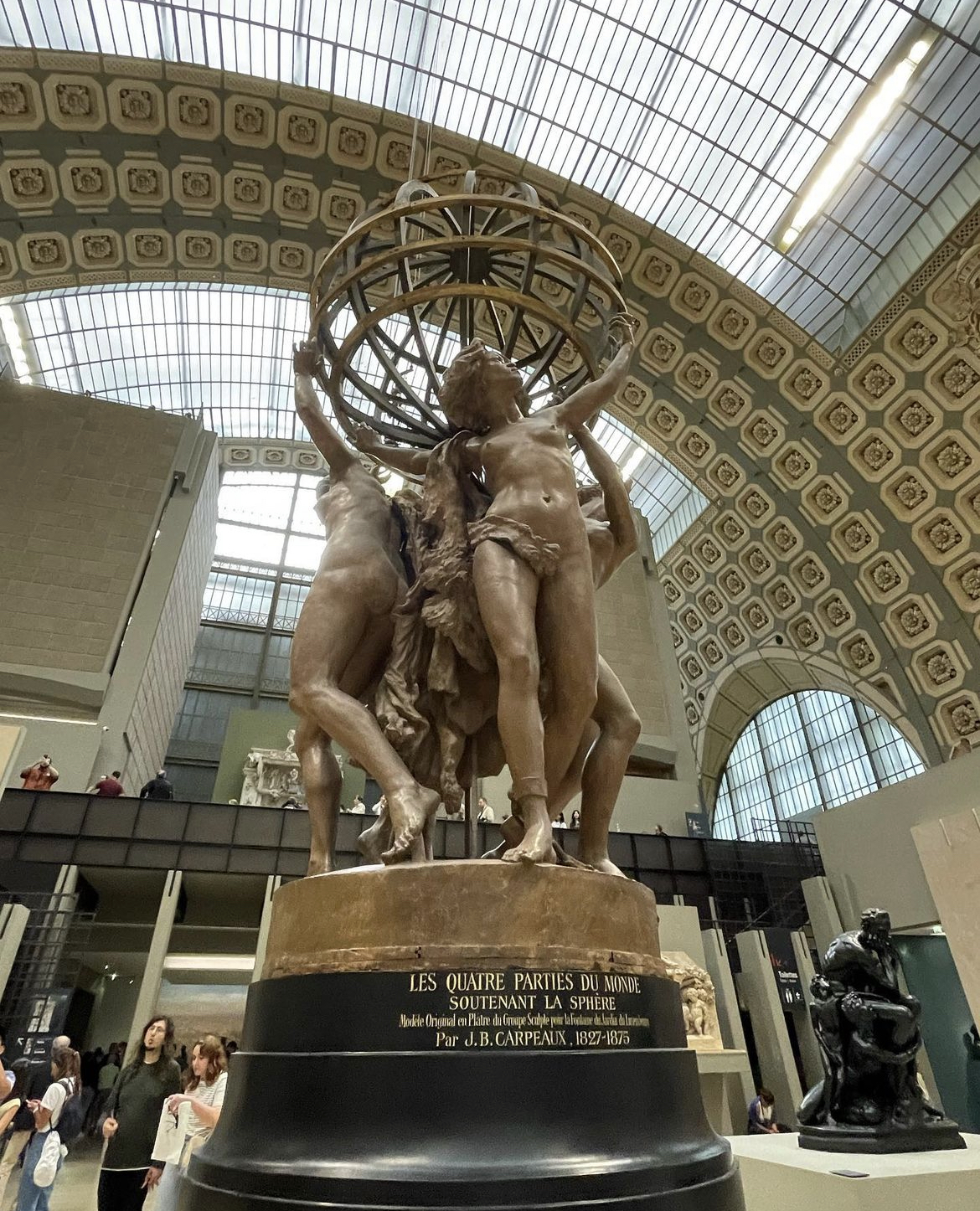
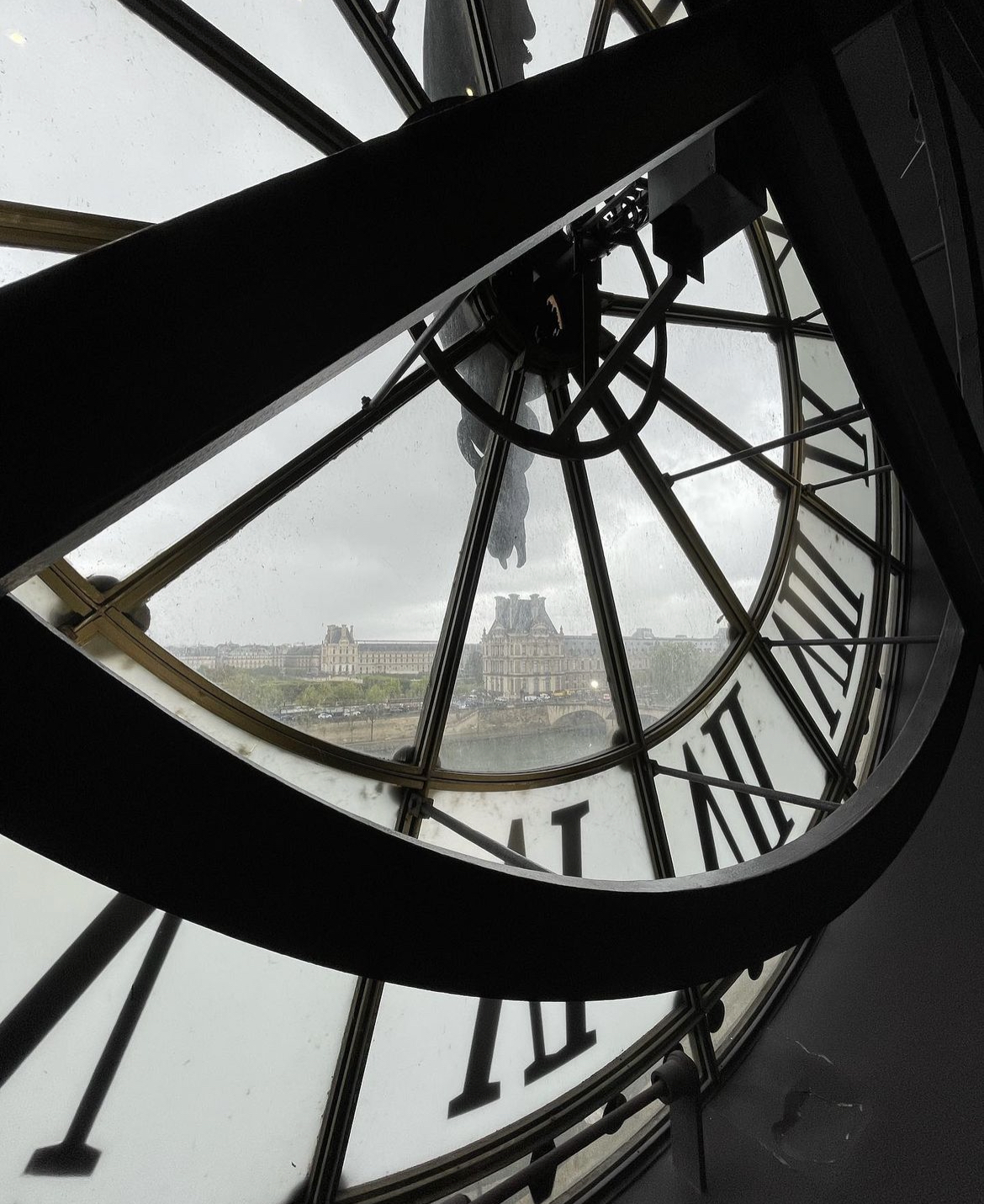
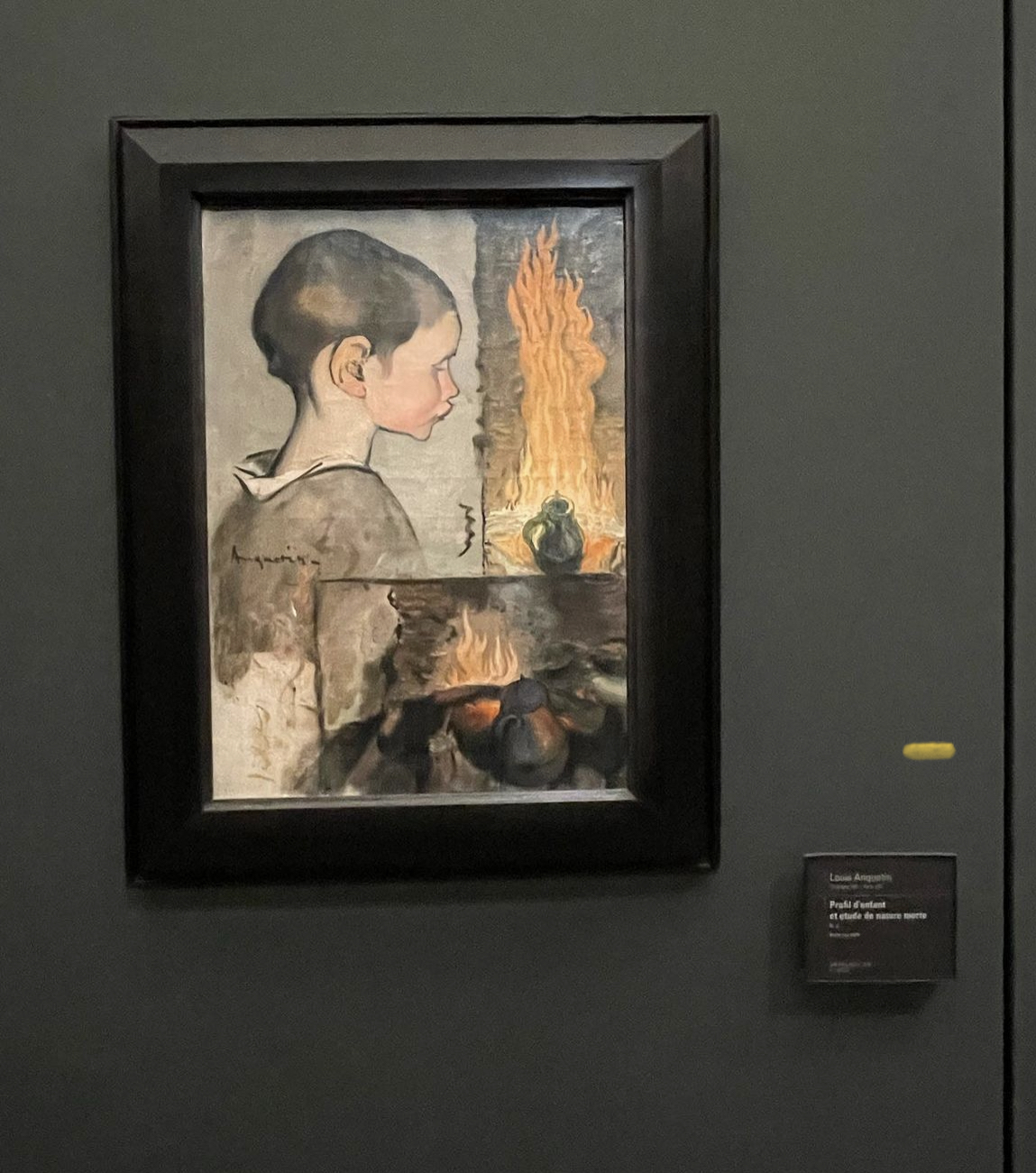
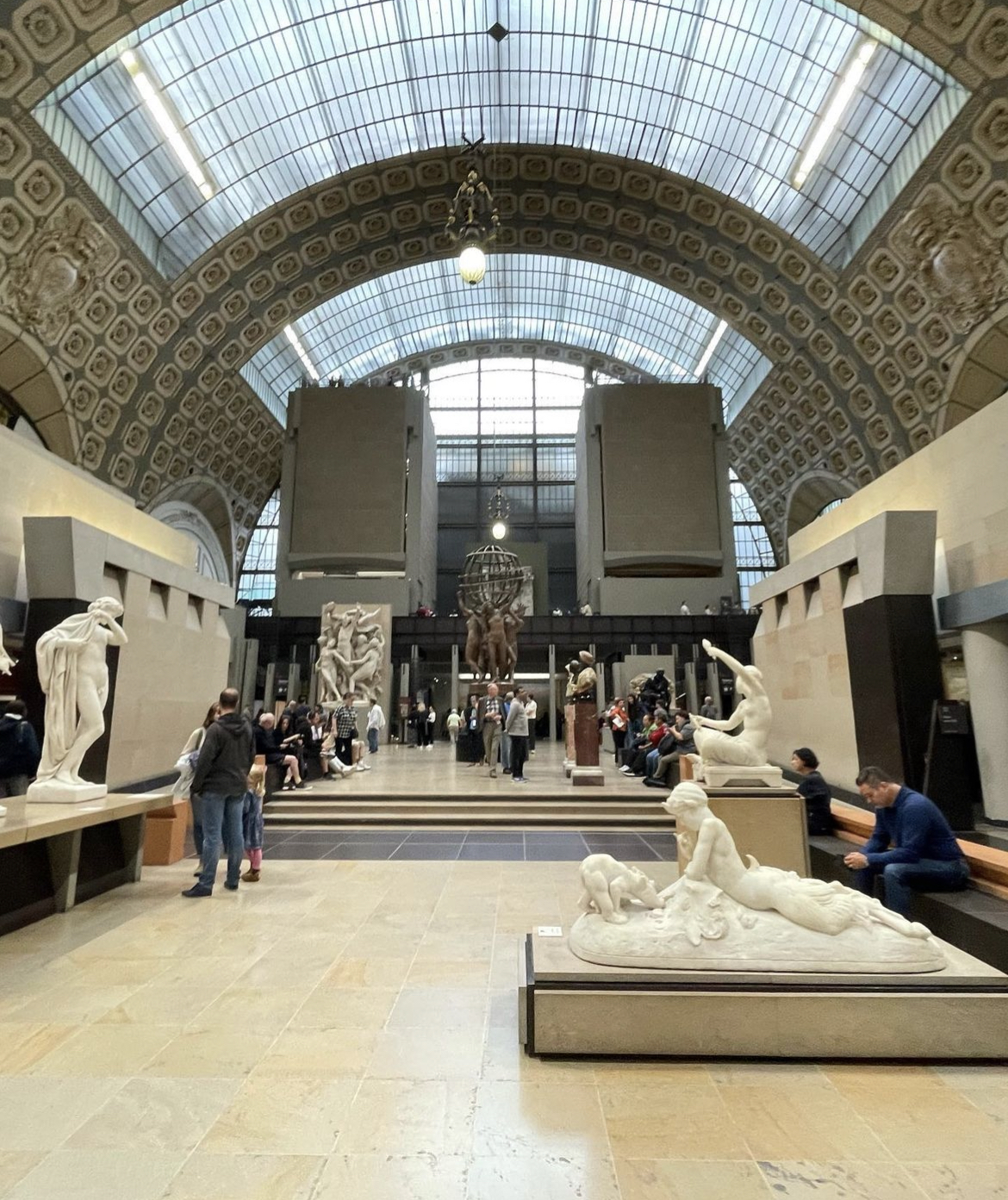
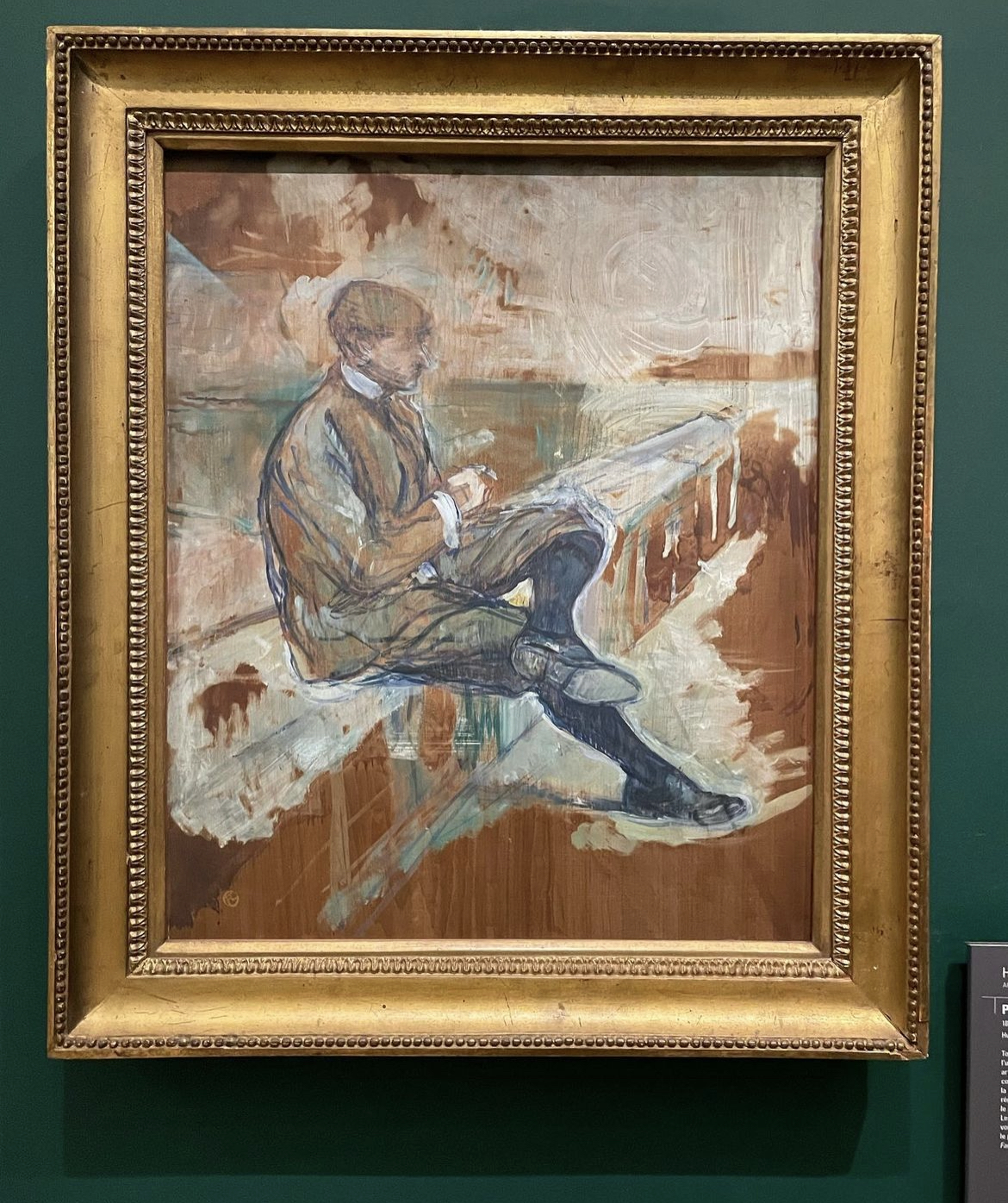
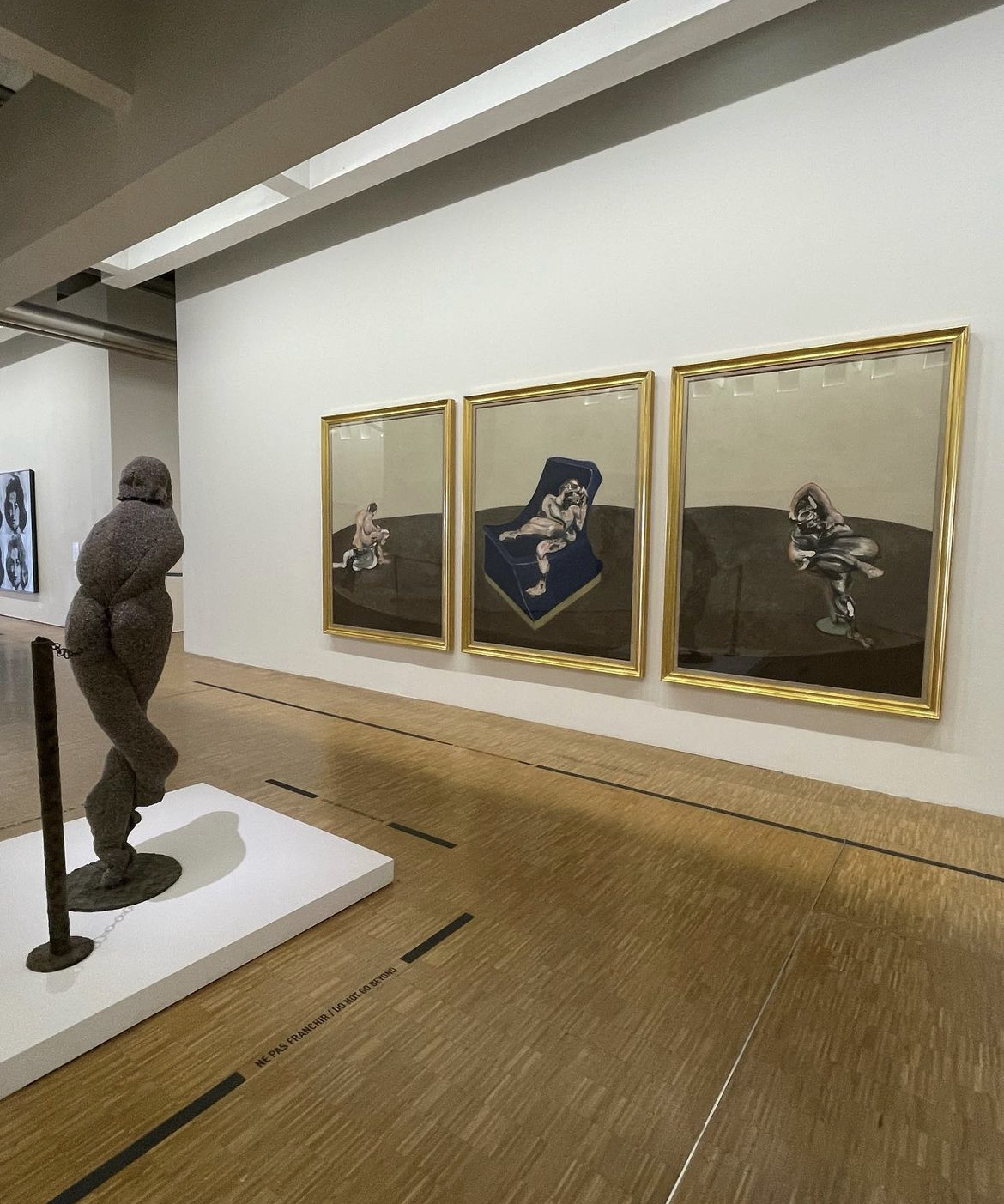
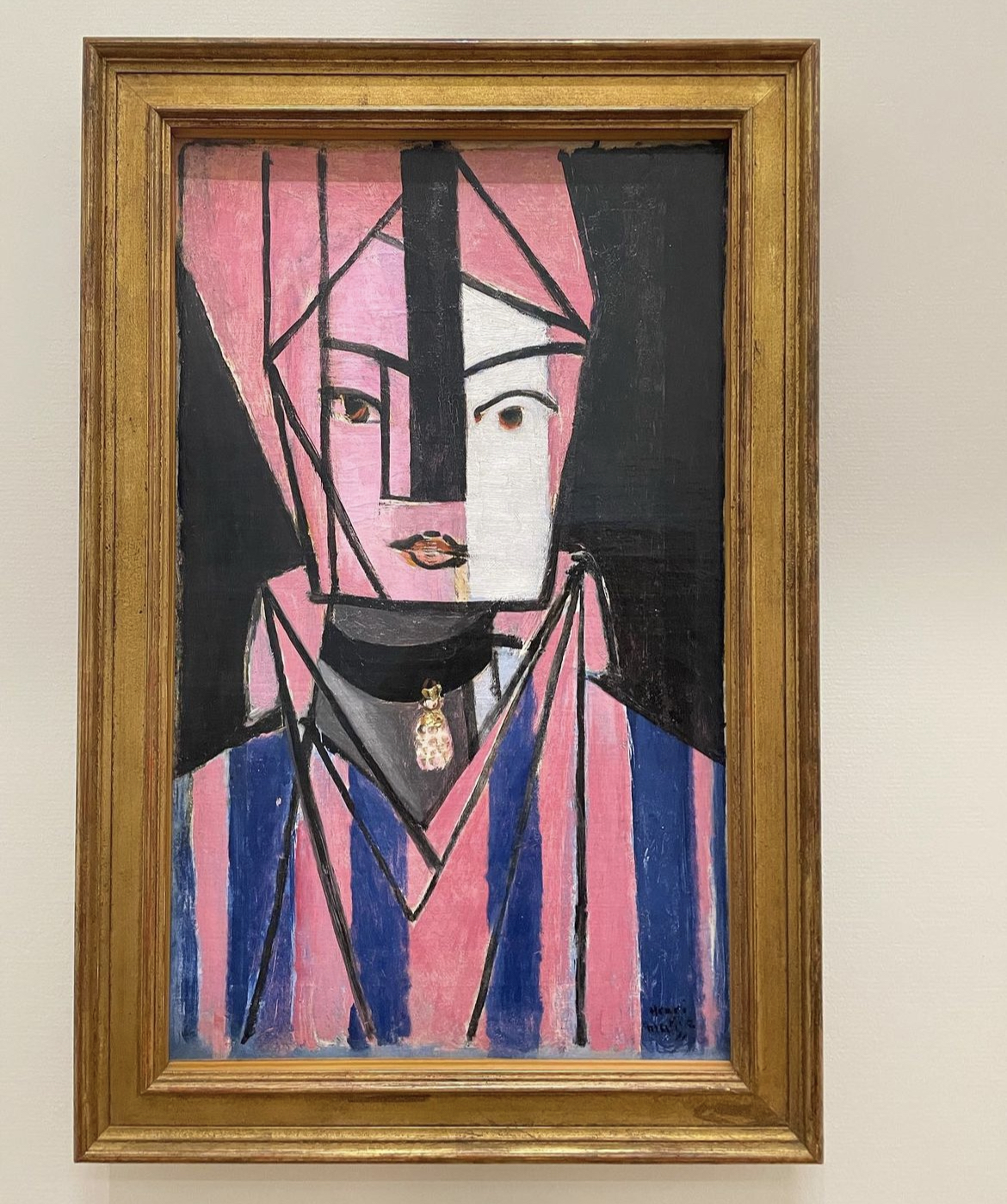
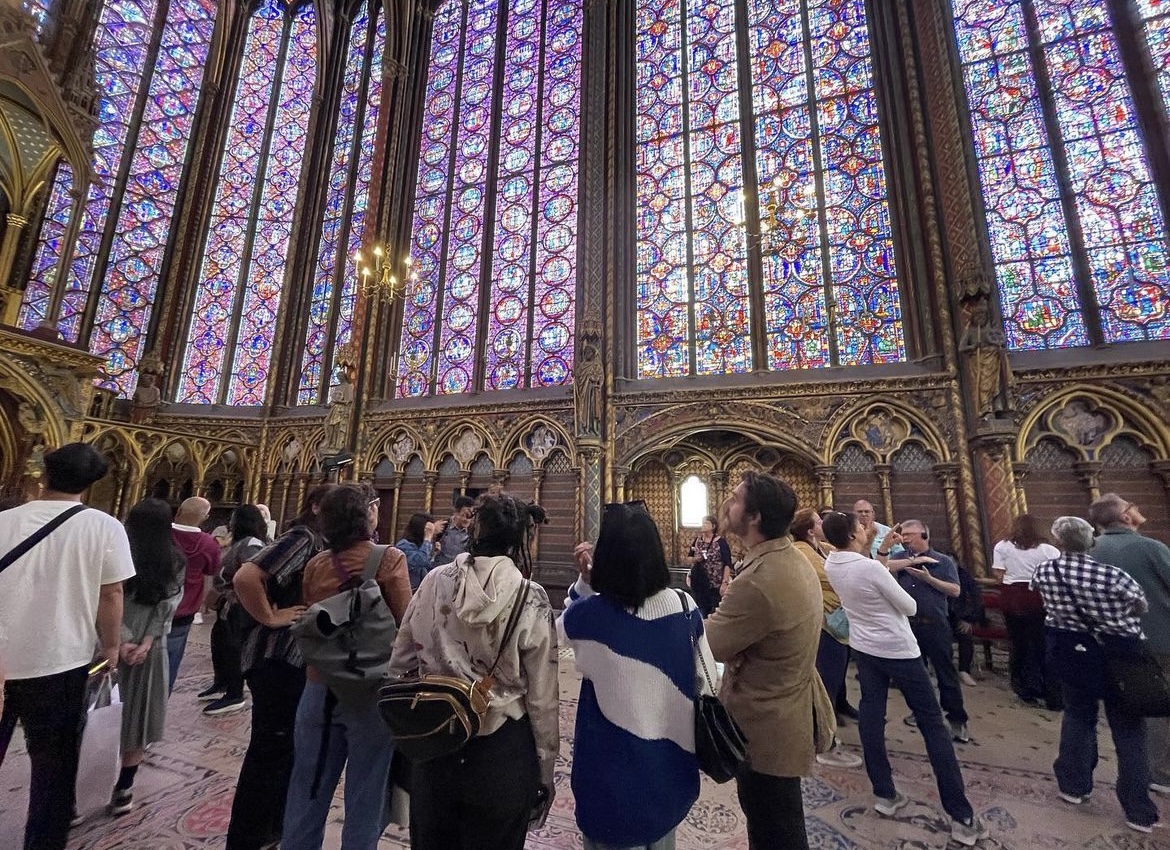
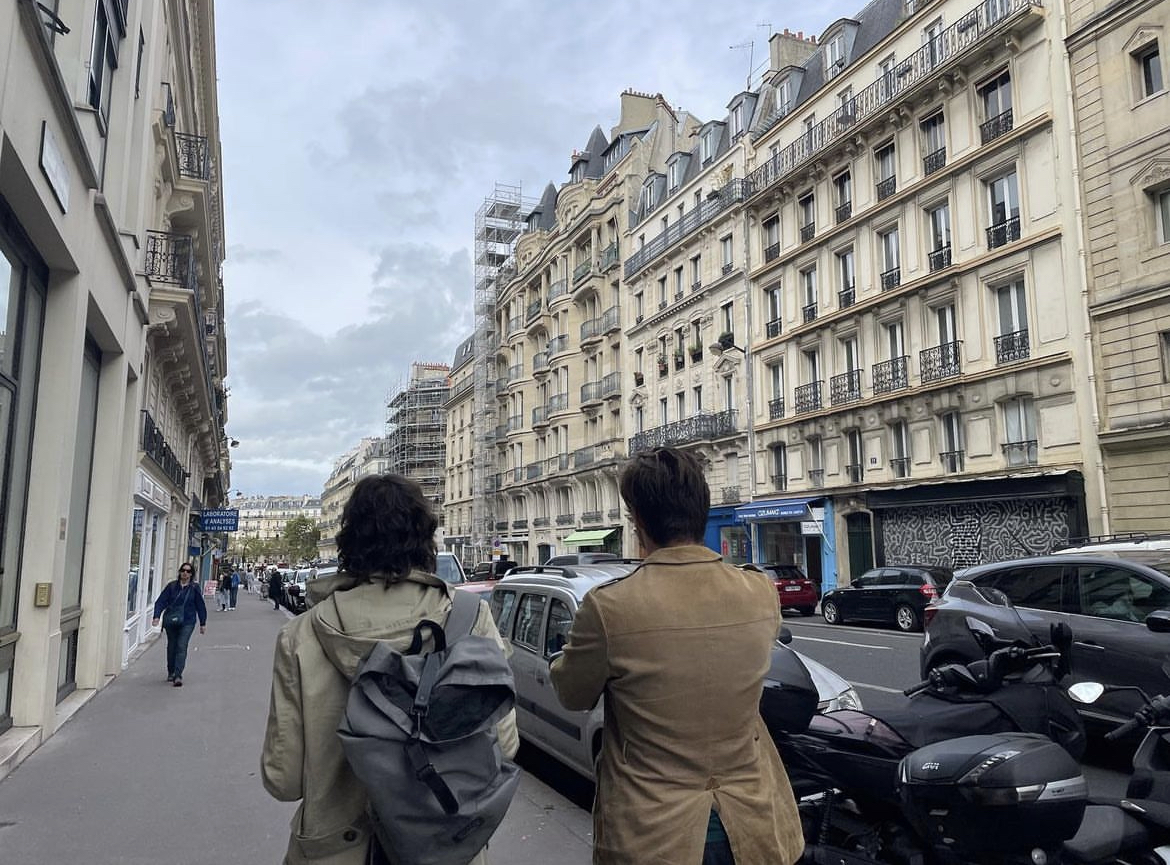
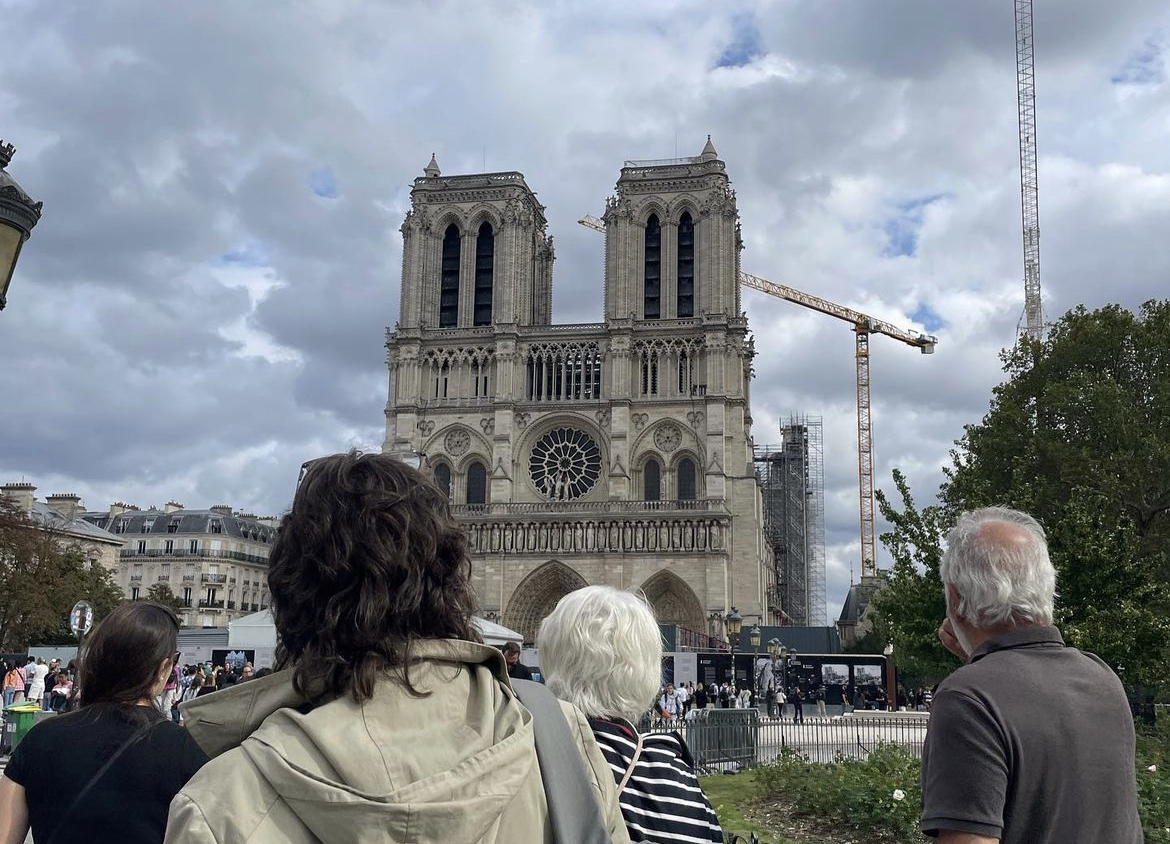
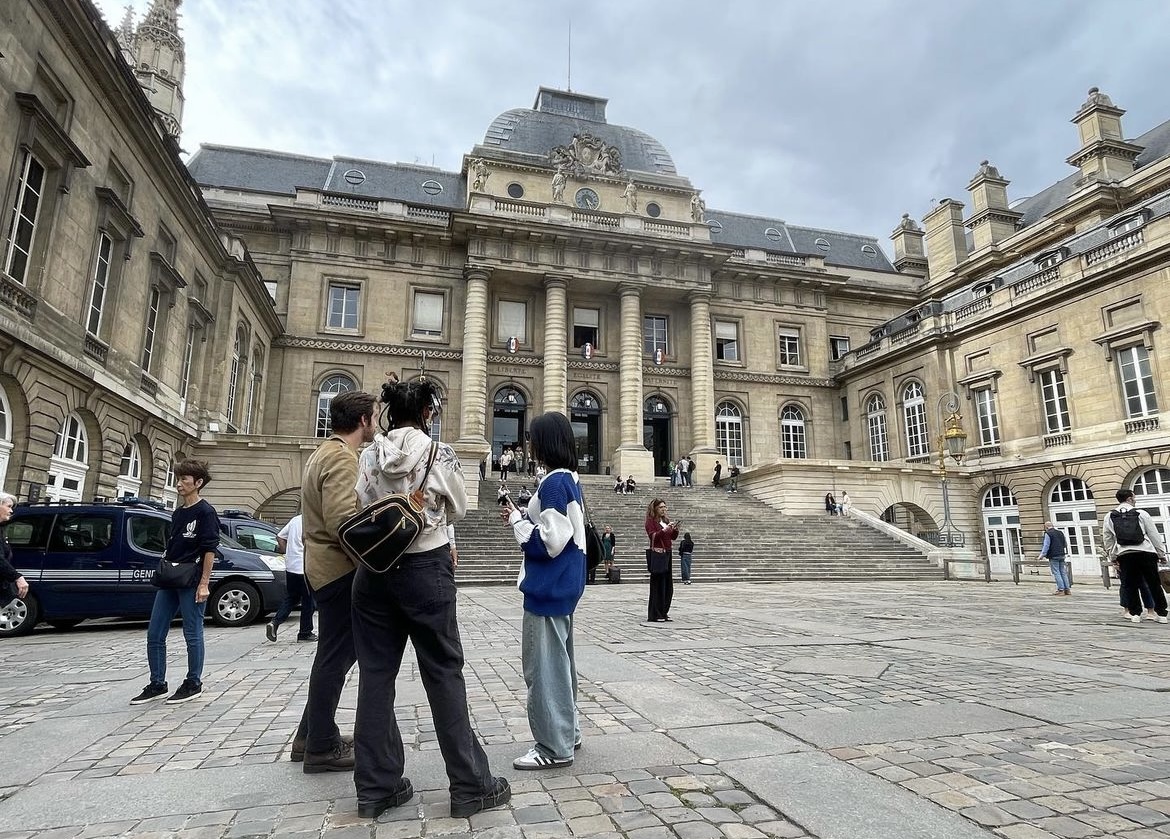
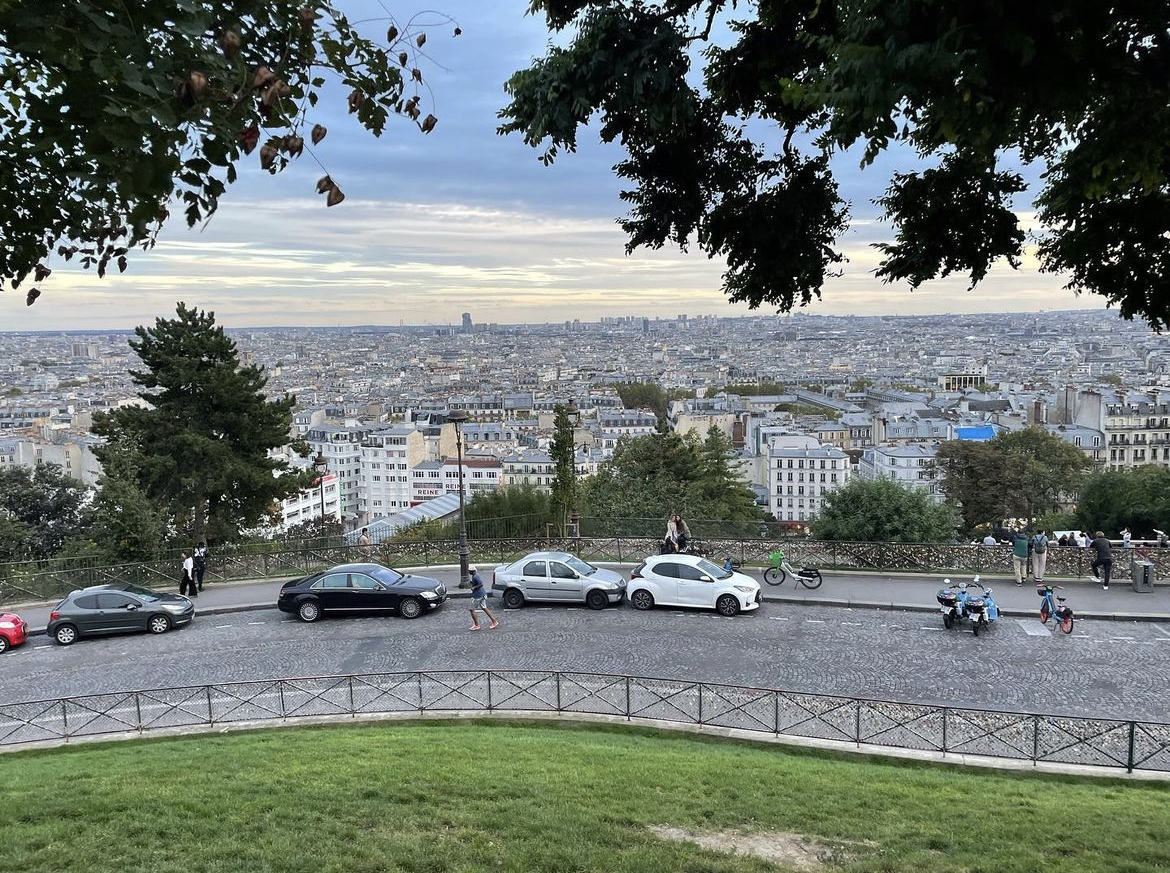
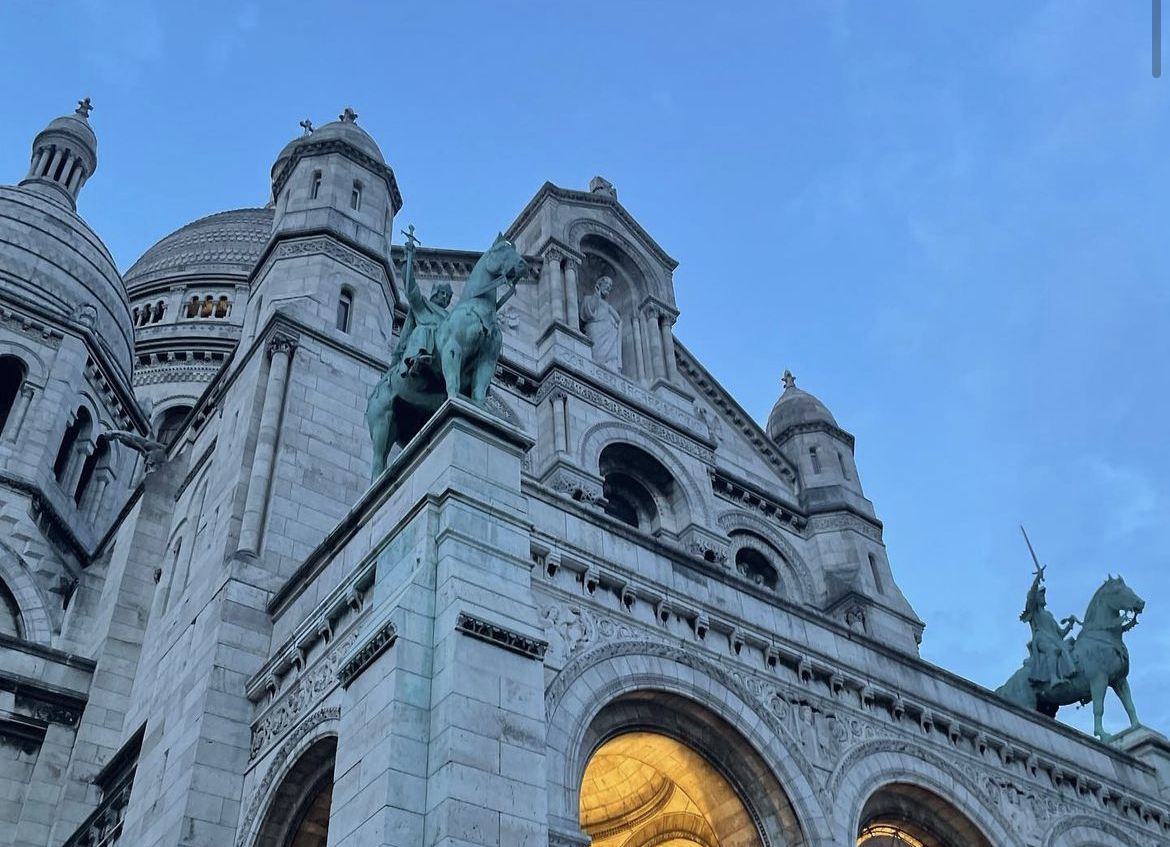
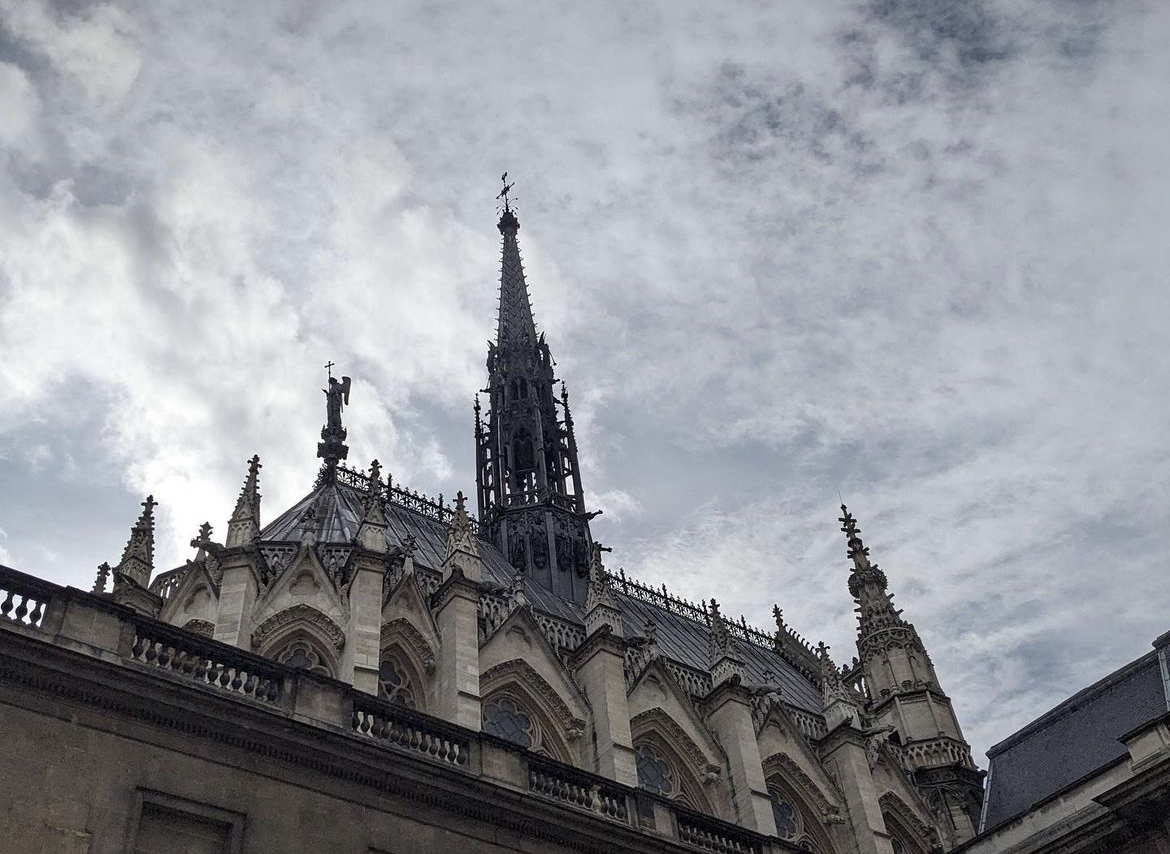
Last week the Alfred-Dusseldorf Painting grads had a four day excursion to Paris. On day one the grads visited a few cathedrals: The Notre-Dame, Sainte-Chapelle, and The Basilica of Sacré-Cœur de Montmartre!
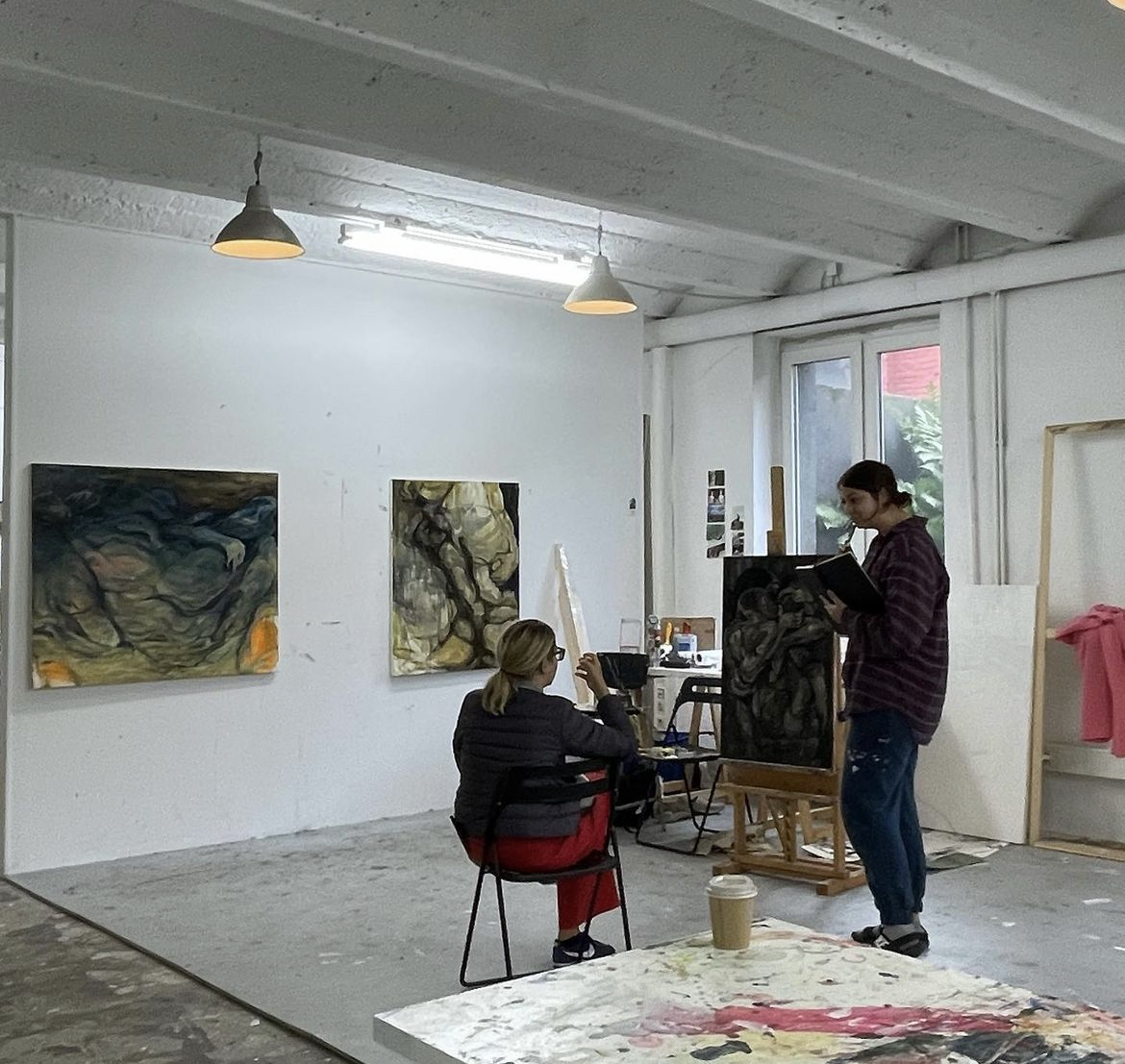
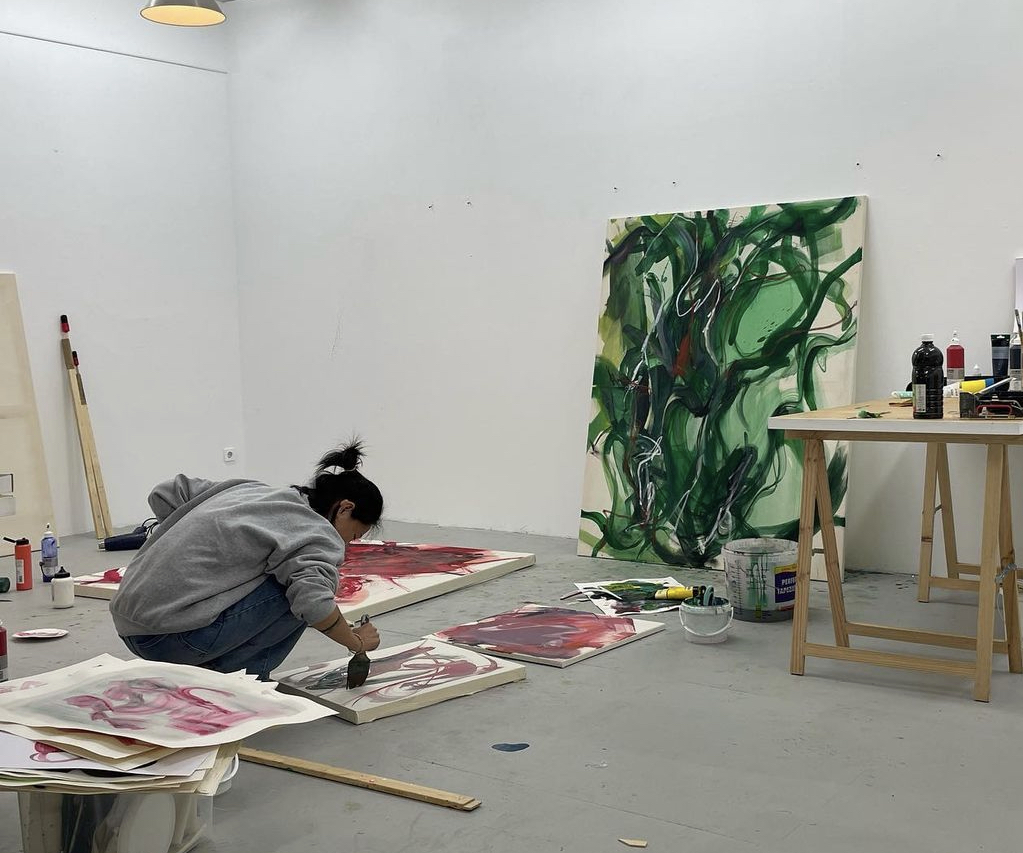
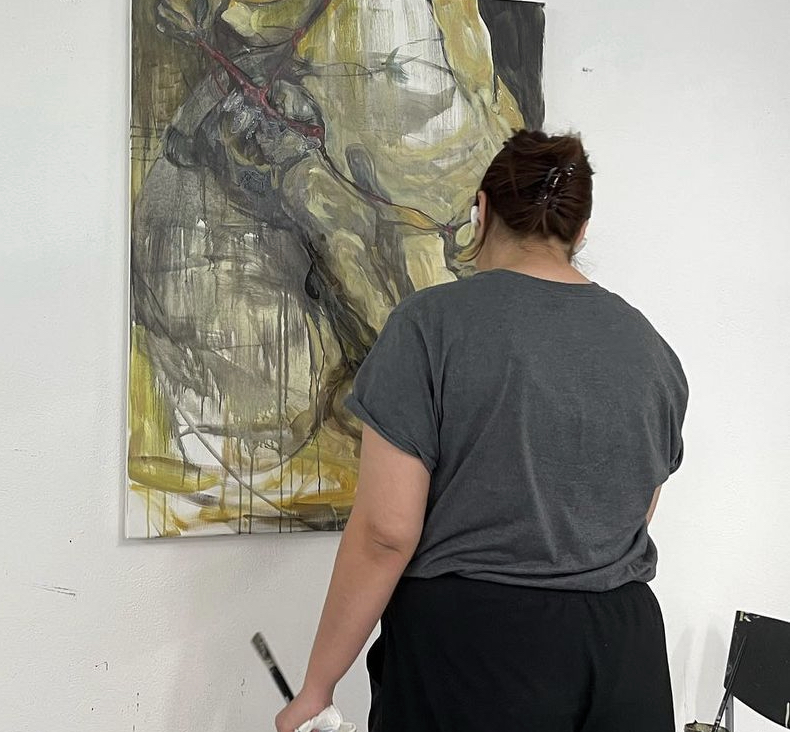
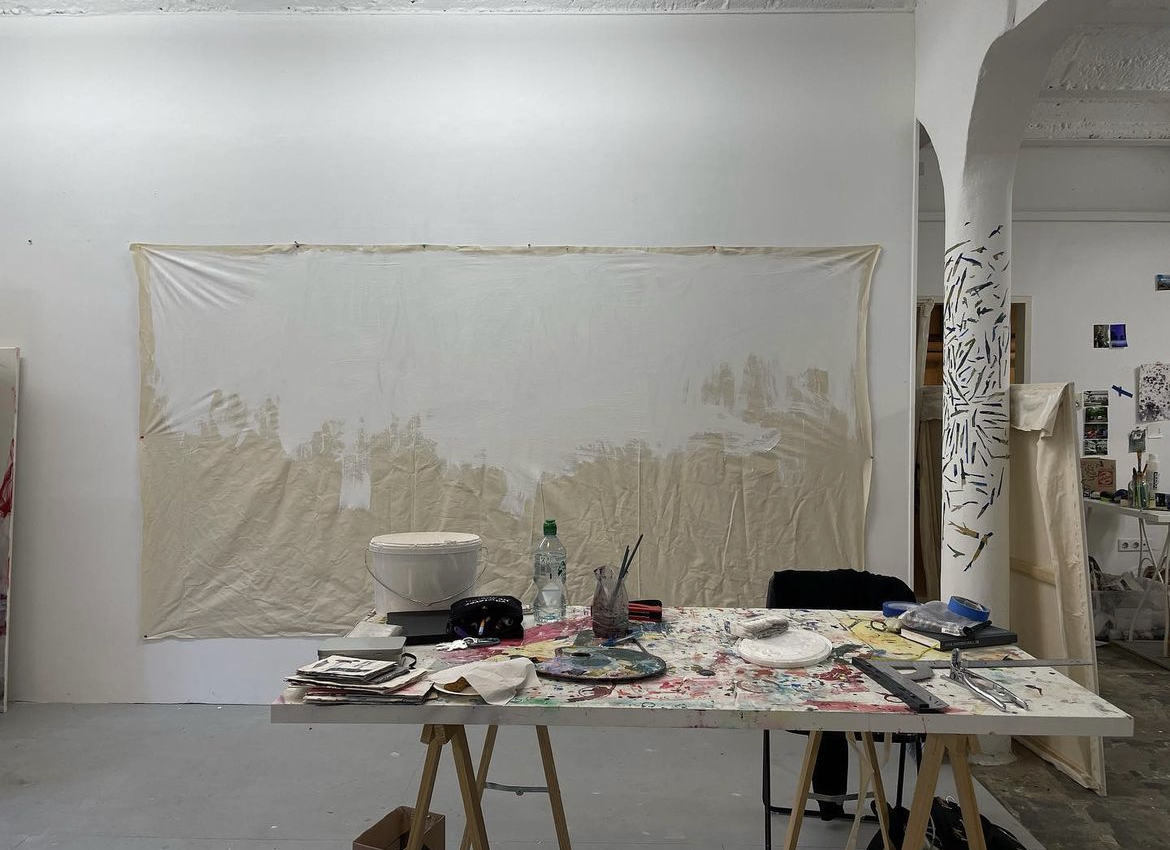
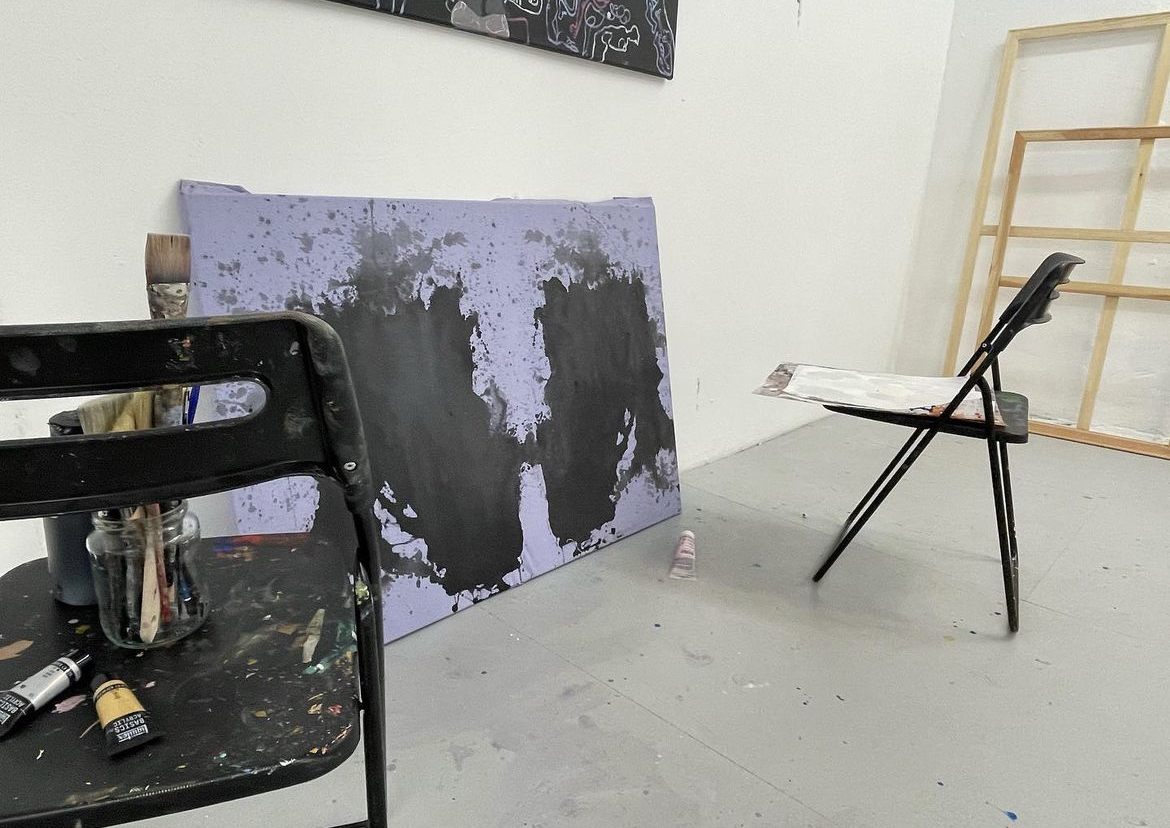
What are the second year painting grads up to in their studios in Dusseldorf? They are getting some work done before the big Paris trip next week! They have some great paintings in the works.
Pictured are Angela Lee, Mim Weinkauf, JJ Baker and works from Archer Rivers and Amanei Johnson.
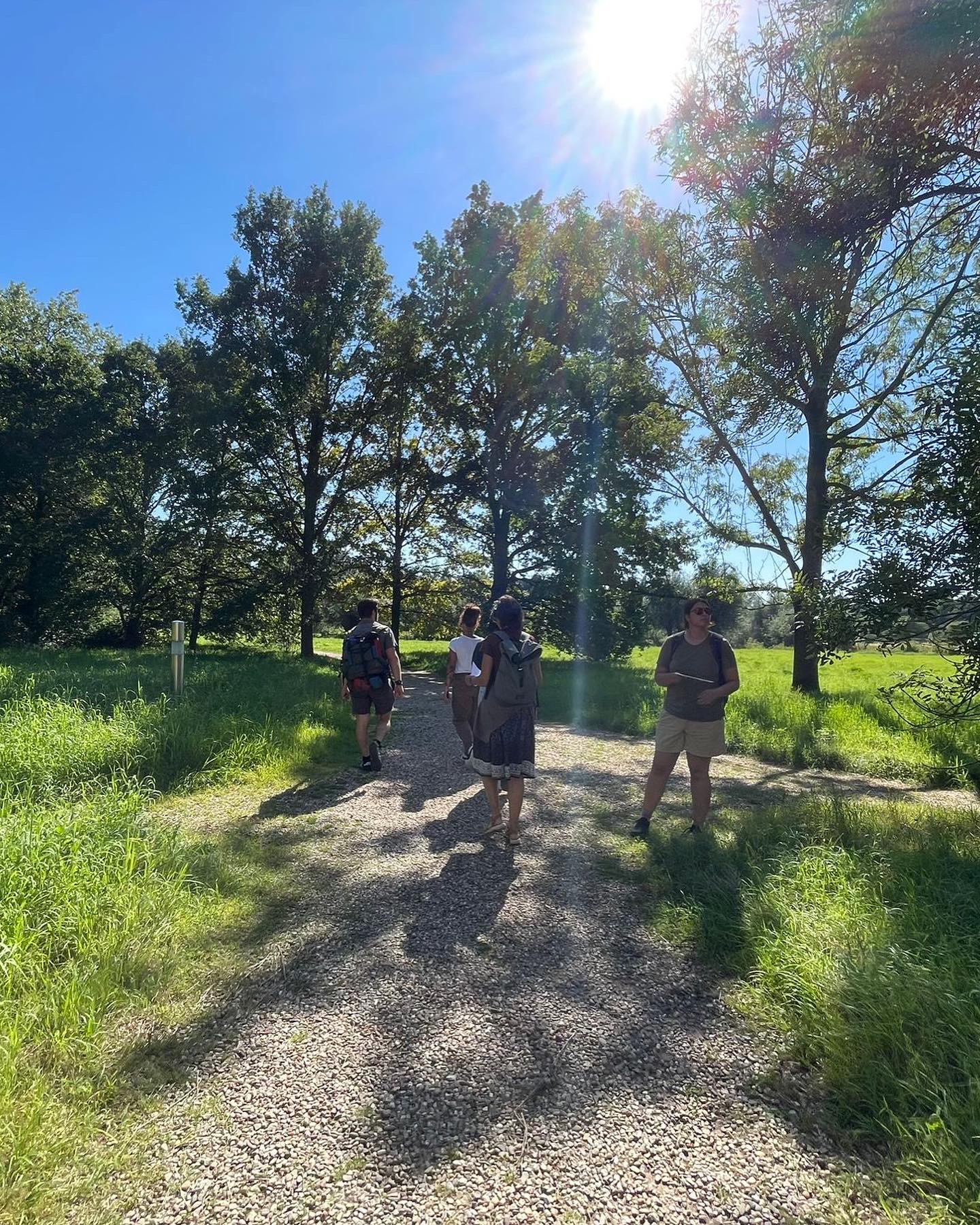
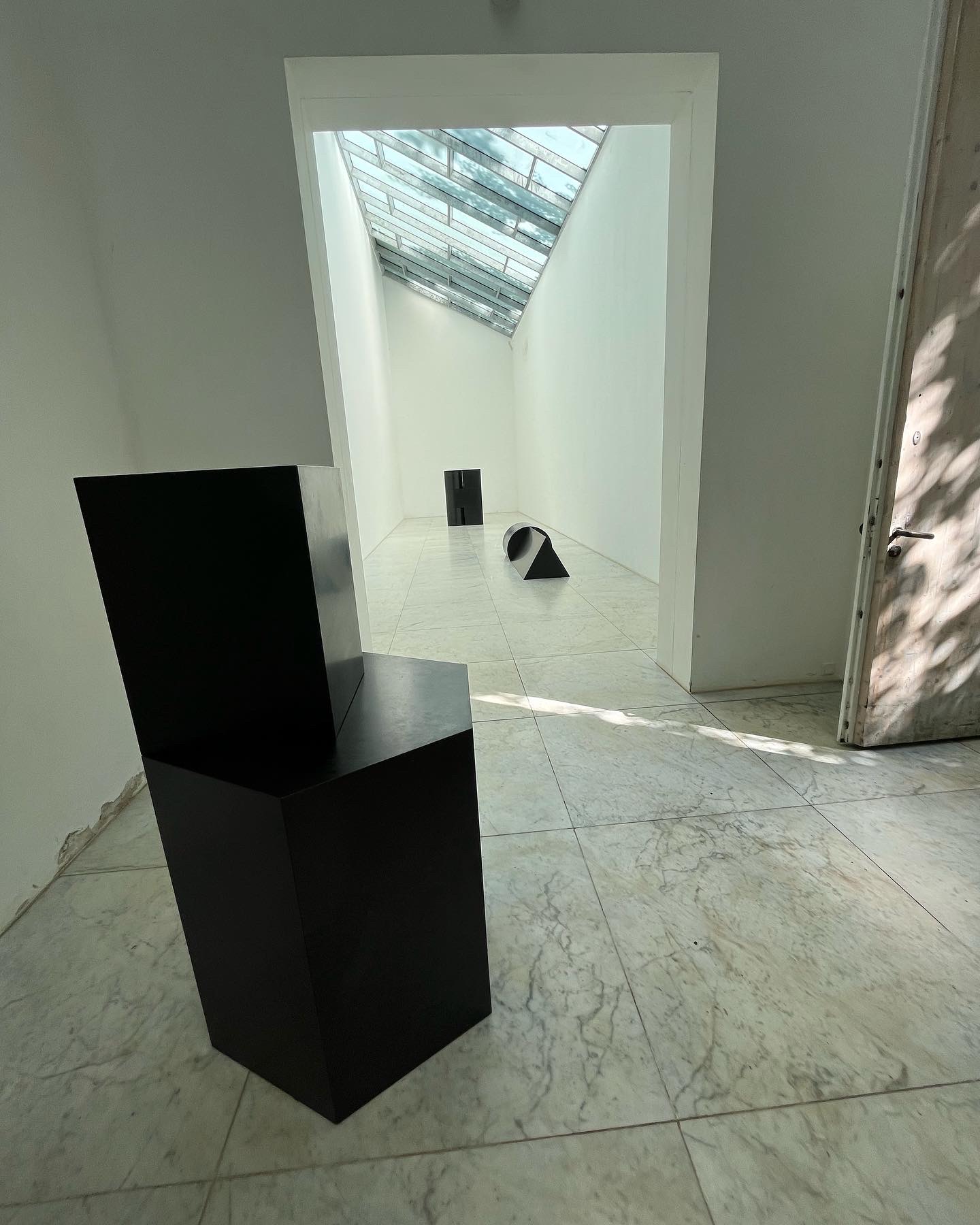
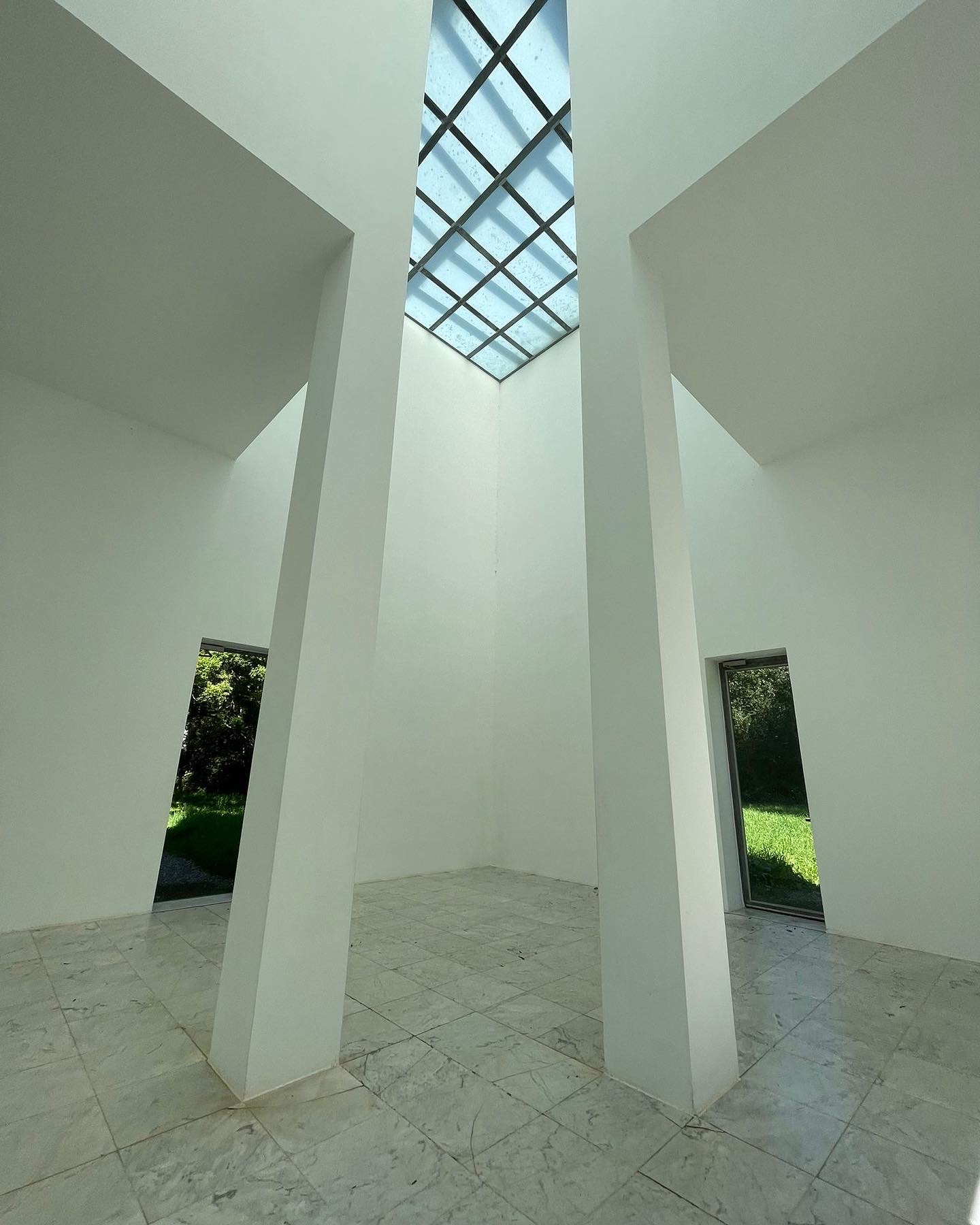
Insel Hombroich is a truly unique experience. It is a sprawling art collection that takes visitors from gallery spaces designed by Erwin Heerch through winding paths in nature. The collection spans from metal sculptures by local German artists to East Asian statues to drawings, paintings, and prints by the likes of Rembrandt, Giacometti, and Cezanne, The grads stopped by this museum after visiting the Langen Foundation.
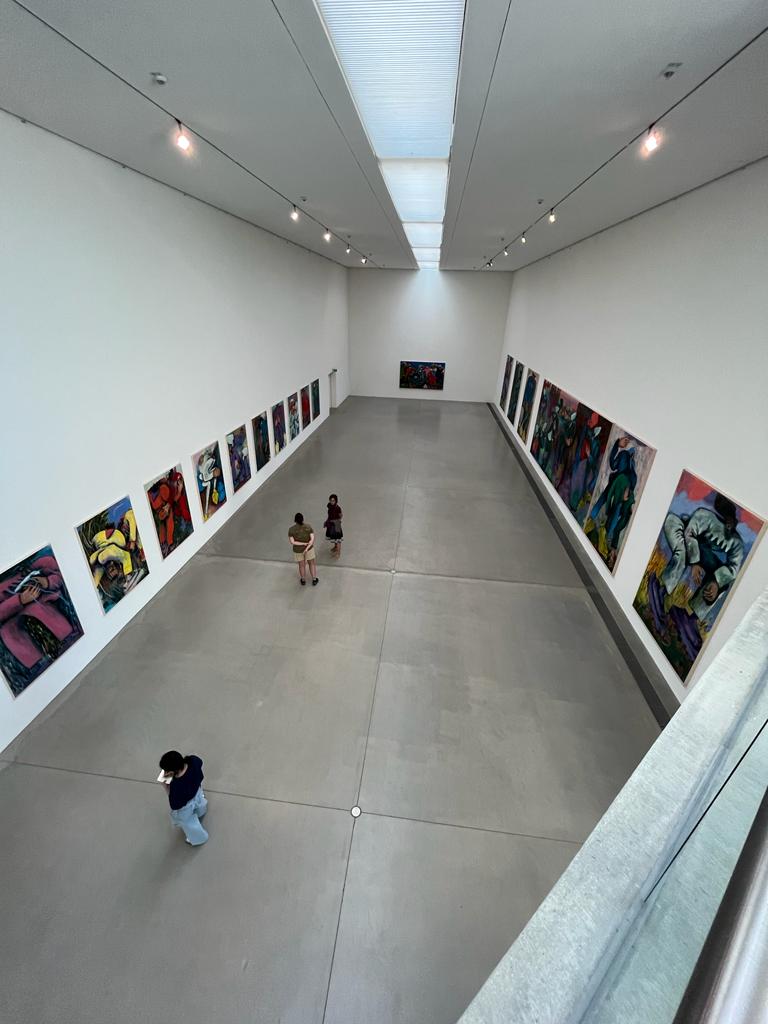
This past weekend the graduates students visited the Lagen Foundation. The grads saw Conny Mair’s exhibition Beautiful disasters, and were heavily inspired by her.
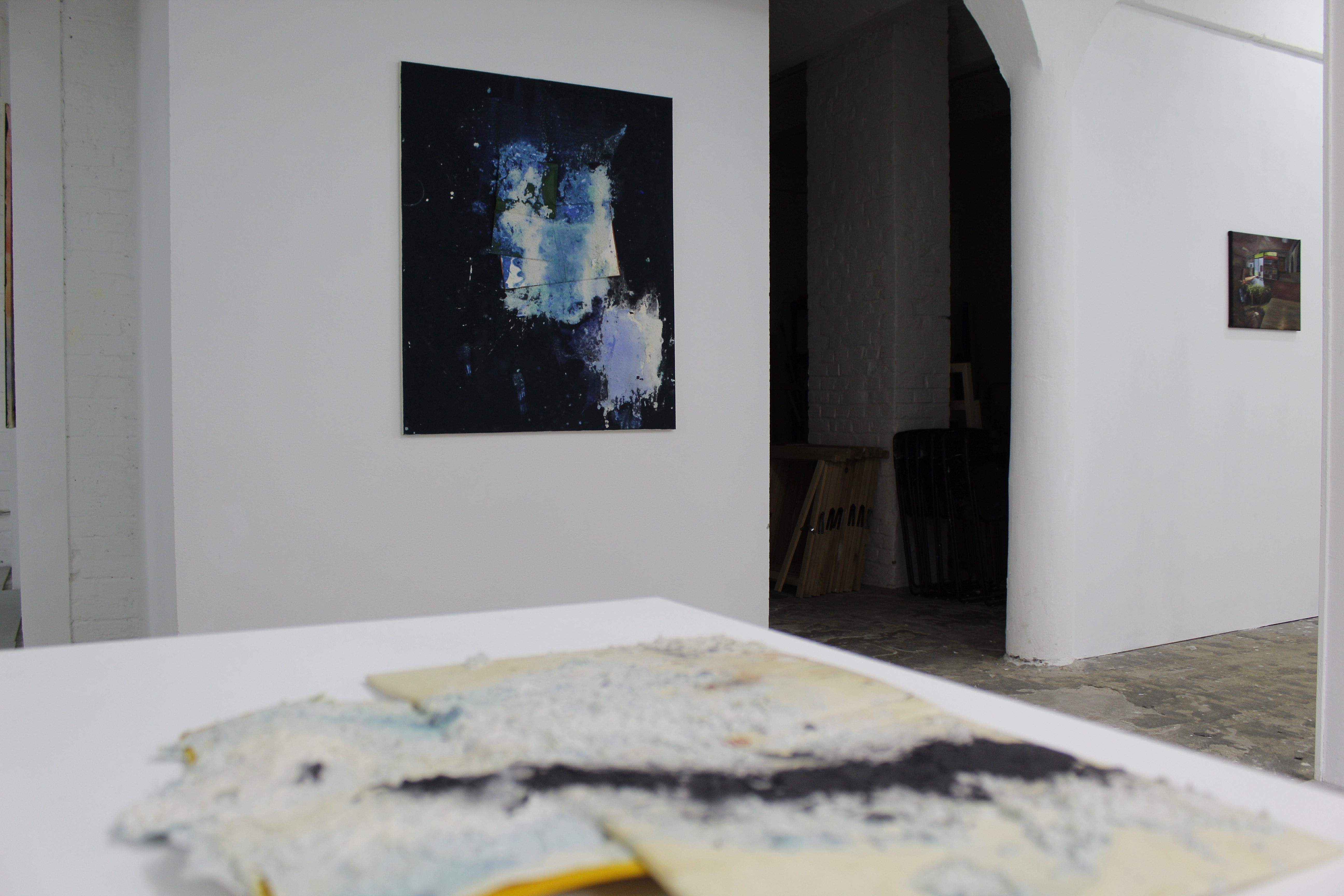
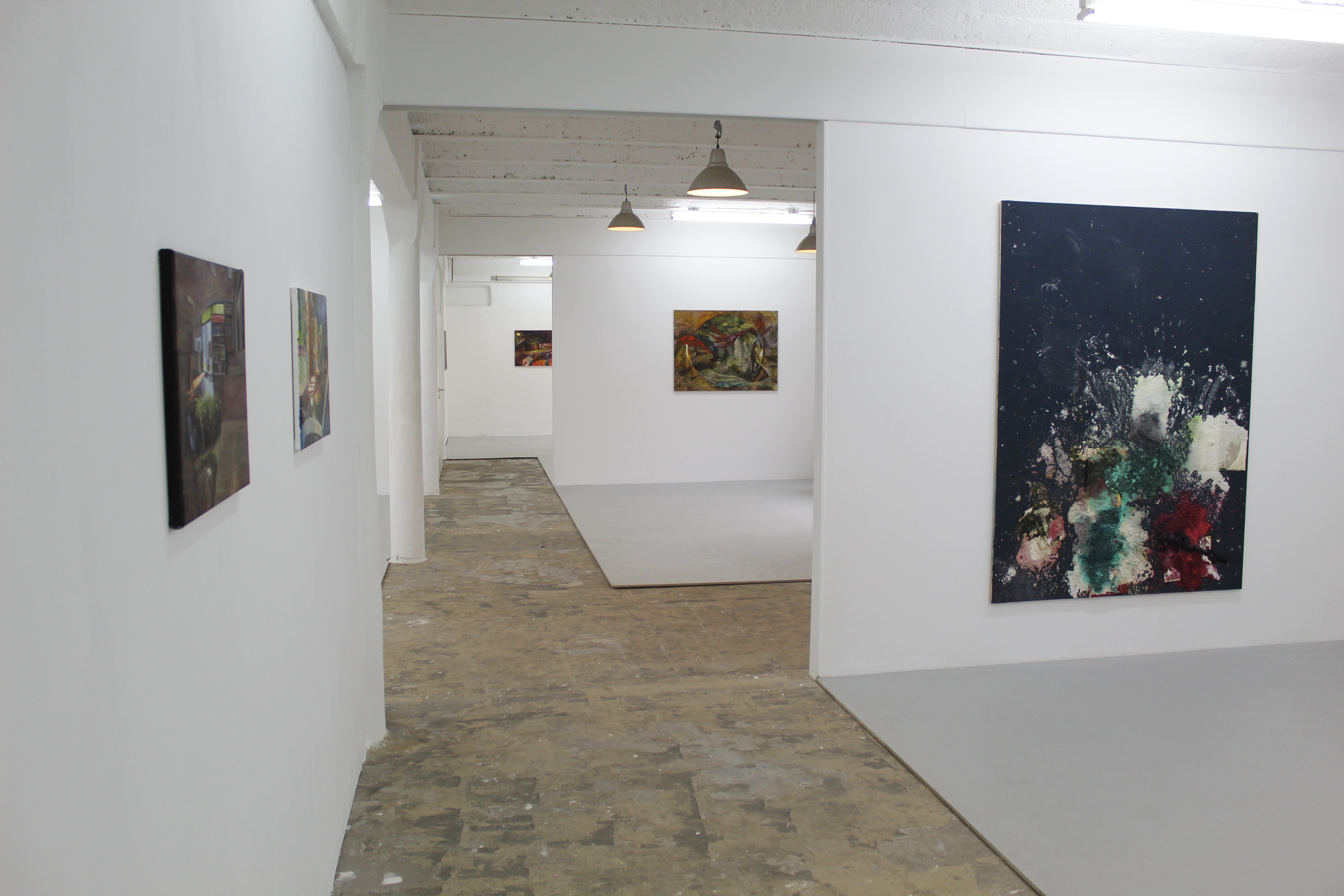
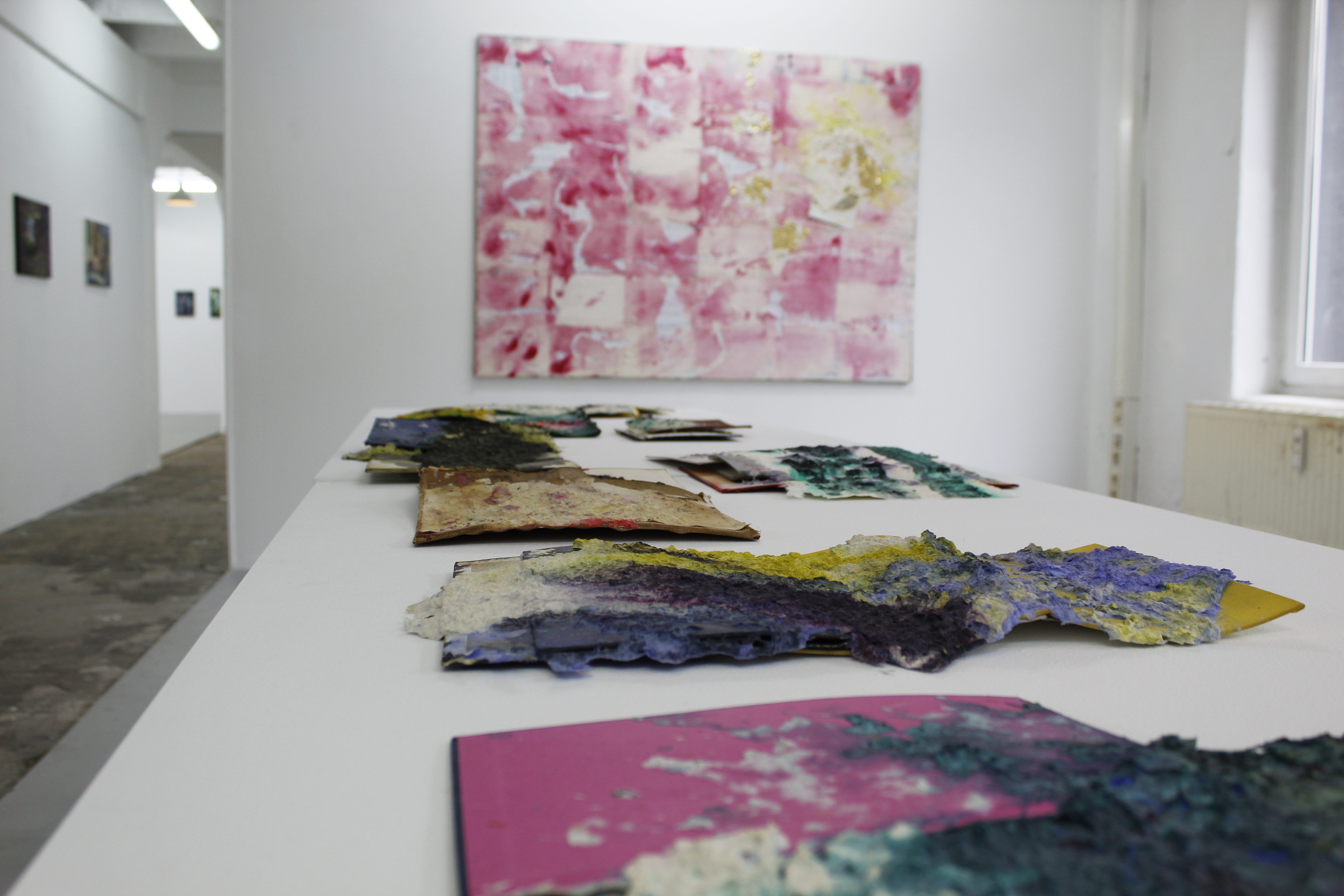
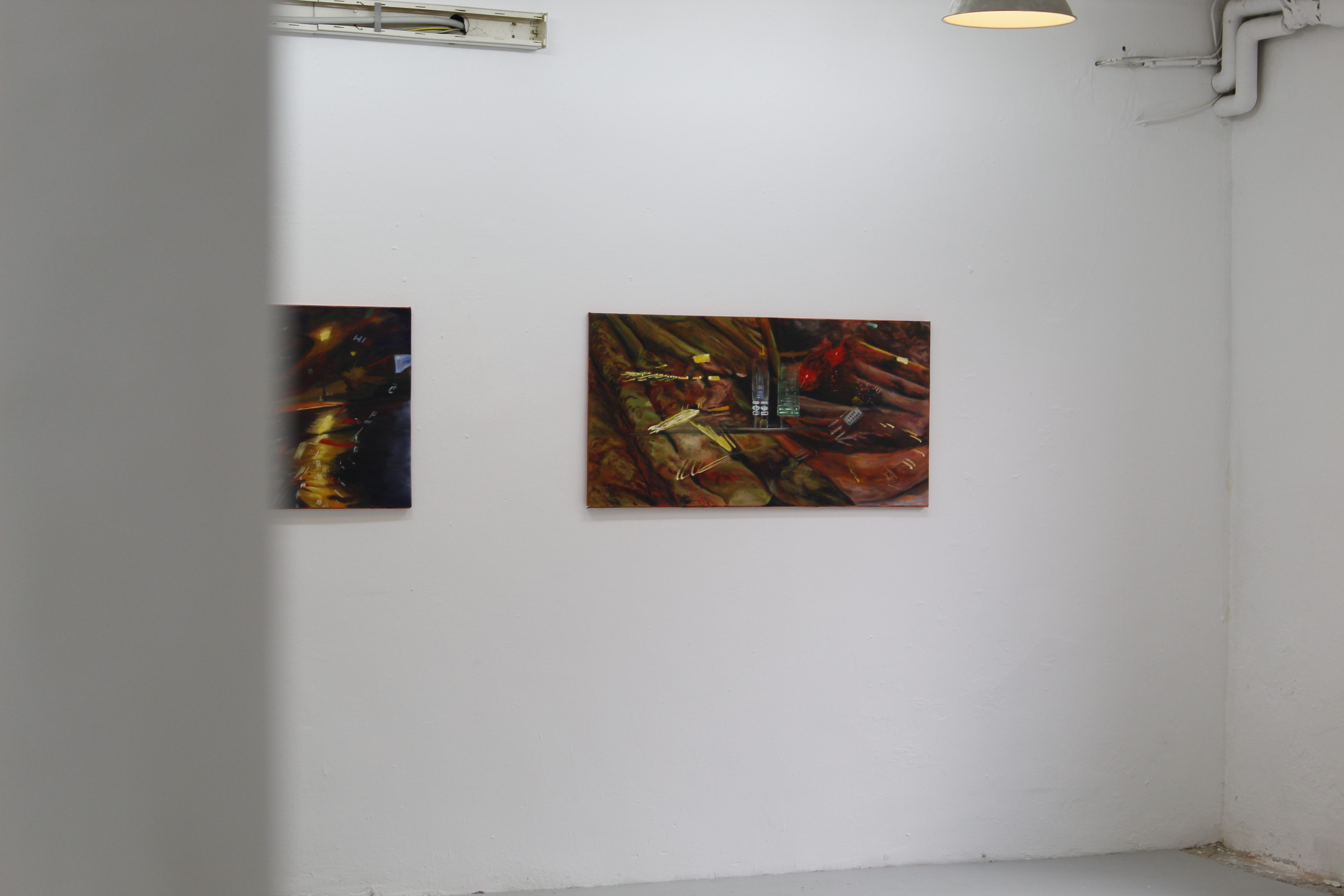
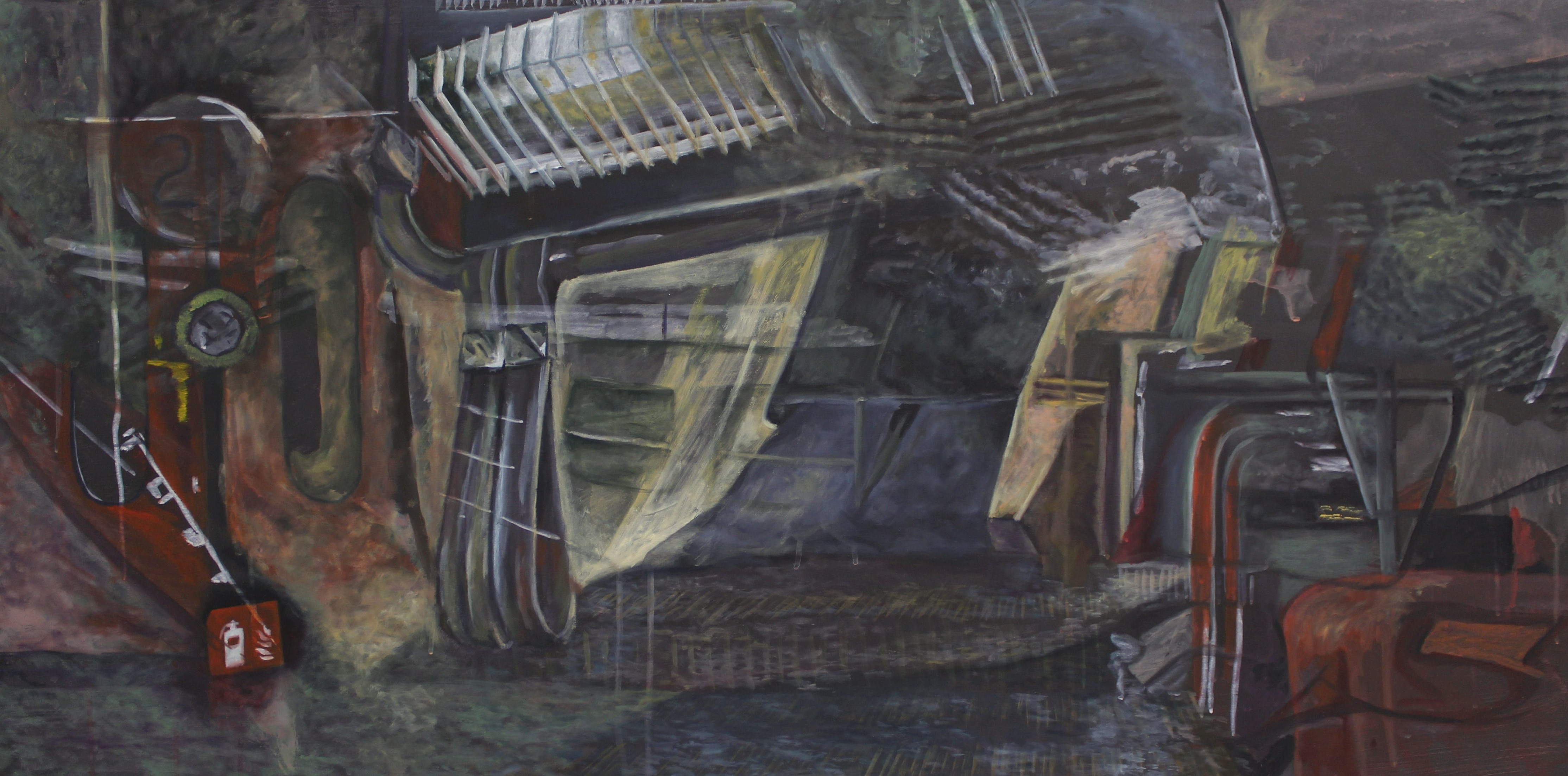
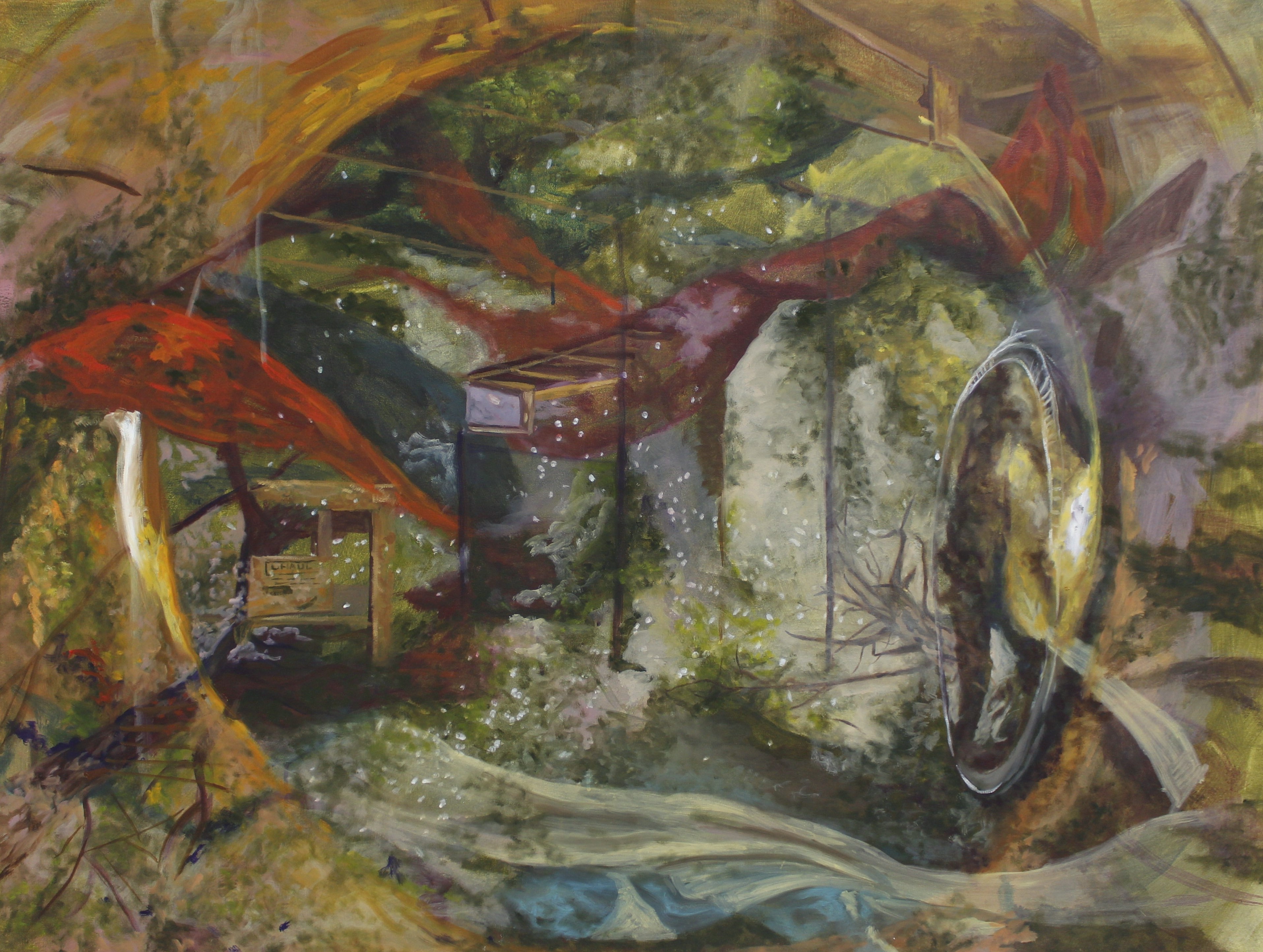
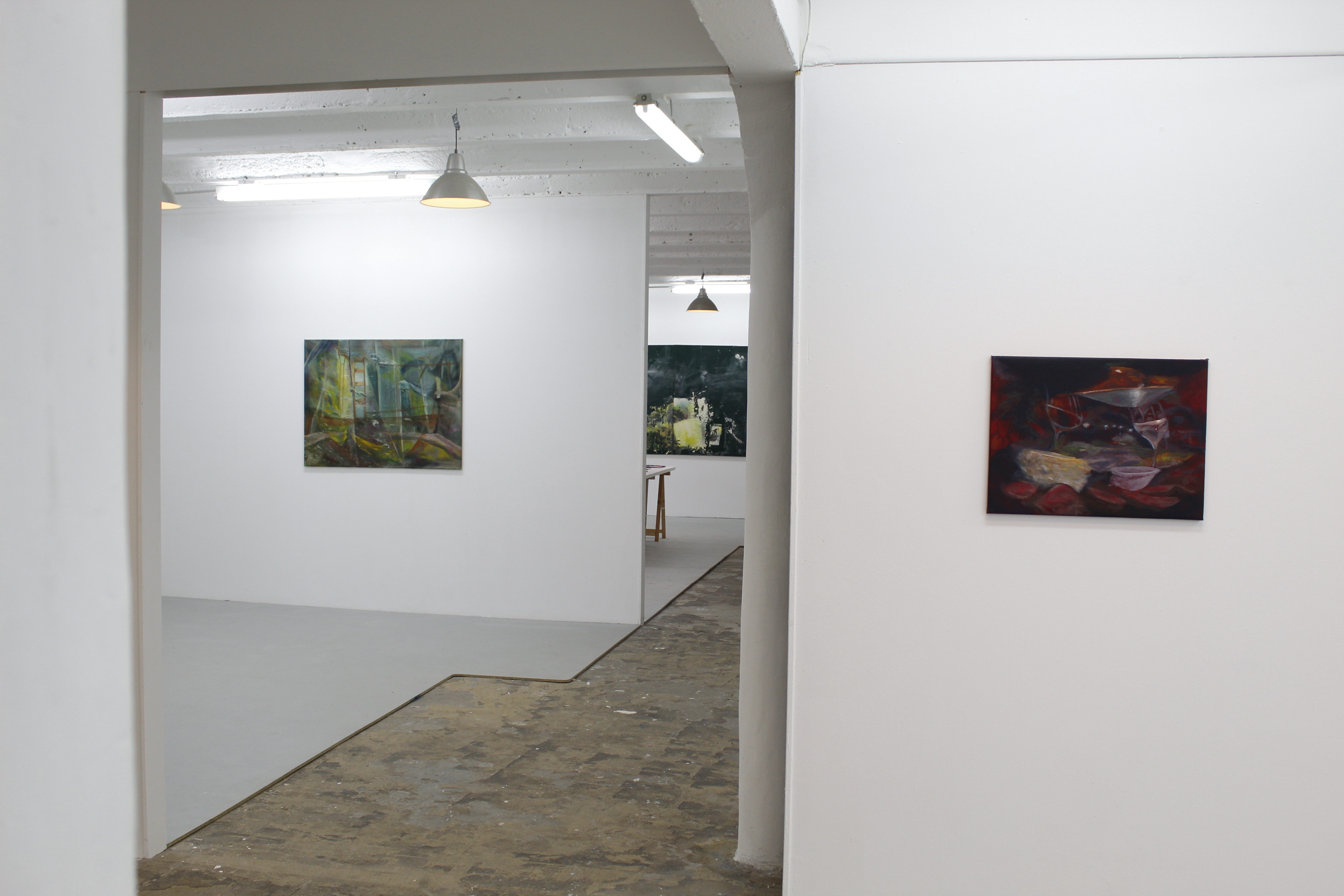
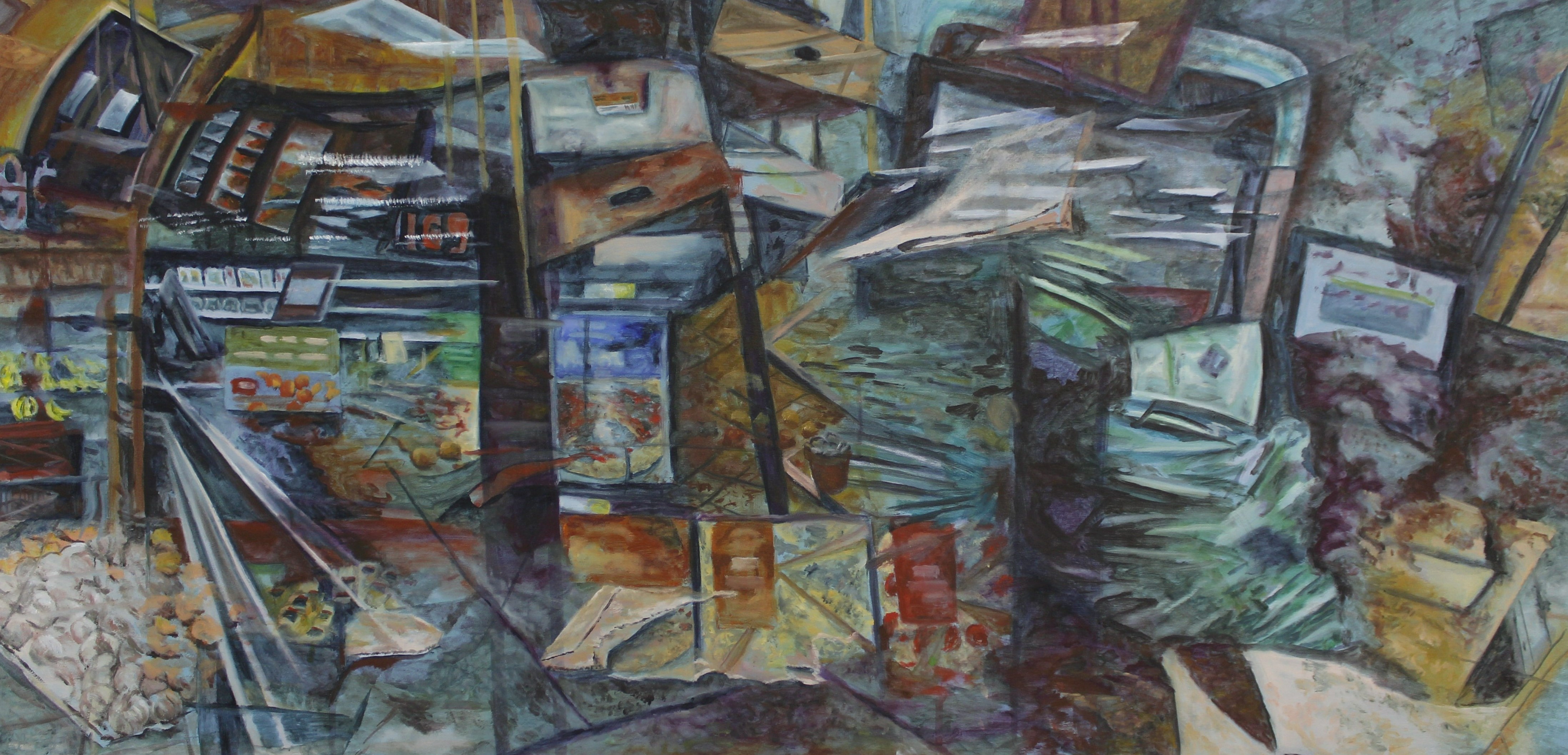
Zihao Chen and S. Alexandra Simental complete their MFA thesis exhibition CENSOR/SENSOR in Düsseldorf, Germany.
In their artworks, S. Alexandra Simental and Zihao Chen combine their personal experiences and memories to confront an individual’s crises in the digital information age and the censorship system. Hailing from the United States and China, the two artists employ painting to deconstruct their understanding of sensory and censorship, despite their distinct backgrounds. Their series of works, which utilize natural distortive phenomena, atmosphere, symbols, and pulp materials, aims to provide the audience with an immersive experience that questions the state of the contemporary world.
CENSOR/SENSOR stems from the artistic practices of two exhibiting artists whose works strongly reflect the concepts of sensory and censorship. Despite being seemingly opposing in meaning, these two terms are intrinsically related. Sensory pertains to the specialized organs and sensory nerves that perceive external stimuli. It operates based on the law of all or nothing, serving as the channel for individuals to gather external information. Conversely, censorship suppresses the senses artificially, intending to unify and regulate people’s perceptual abilities. Through censorship, individuals’ perception of the environment, society, and political structures are permanently altered. While sensory feedback is the foundation of humans’ physical and emotional responses, censorship mechanisms regulate the formation of their senses, resulting in the deprivation of the right to perceive freely.
Personal memory, cultural background, political anxiety, and contradiction are inseparable dialogues in Zihao Chen’s painting practice in this new body of work. Chen uses paper pulp as his primary formula, offering excellent flexibility in its physical form and the combination of pigments. At a conceptual level, paper pulp is closely related to information, knowledge, and art history. By transforming books, newspapers, magazines, and personal sketches into pulp through a blender, he creates abstract forms that carry a deeper meaning beyond materiality. This links to his recent criticisms of censorship and politics, as paper and pulp have long been associated with the dissemination and control of information. To further explore the impact of information and education on individual thought, he introduces elements such as book covers and chalkboards related to his memory. When displayed in a physical space, these paintings create a viewing experience that is both contradictory and dystopian. The fragility, roughness, and even grotesqueness of paper pulp, combined with the imagery of exploding books and ambiguous chalkboards, aim to evoke a sense of unease and disorientation.
A long exhale, a prolonged glance that shifts out of focus, thoughts of then, now, if, and when. How is it exactly that we perceive? In S. Alexandra Simental’s paintings, she questions how the mind works: how one can experience the space they occupy while simultaneously visualizing a memory or idea. How do the past, present, and future intersect? Is the way we process information today overloaded, and do we need to be distracted? Since the rise of digital technology, humans have been bombarded by information. What was once a passing glance at a newsstand or short phone call to a friend has now become an endless log of scrolling. Humans have less control of what they consume, and many are addicted to this retrieval of stimulated words and imagery. Unpacking how this modern way of living is affecting our psyche and reorienting the overlooked qualities of daily life is fundamental to Simental’s process. Painting allows her to distill imagery and slowly process the sensations of memory and feeling. The paint is lightly stippled or smooth like liquid, barely existing on the surface, in the same way that memories and thoughts bleed in and out. Up close, the subtle shifts in color and texture can appear without distinction, and perhaps causes the viewer to yearn for more, just like refreshing a page, asking for more stimulation. She looks for the objects that connect us even when we are alone, as how we navigate mental health today is imperative to our future.




























 PAINTING MFA Alfred/Düsseldorf